How Lymphatic Drainage Can Support Women with PCOS

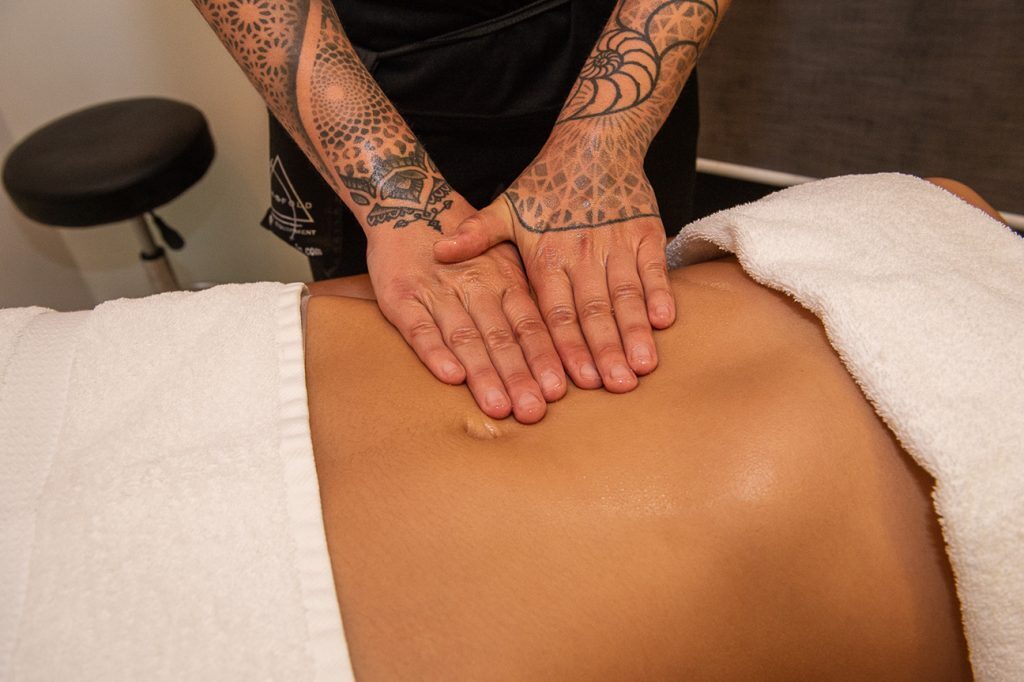
Hands of a tattooed therapist performing gentle abdominal lymphatic drainage massage on a client lying under a white towel.

Polycystic Ovary Syndrome (PCOS) is a hormonal disorder affecting many women of reproductive age. It causes symptoms such as irregular periods, weight gain, acne, and fertility challenges. Managing PCOS is complex, involving lifestyle changes and medical care. Lymphatic drainage massage provides a gentle approach to support the body’s natural detoxification process and reduce inflammation.

Lymphatic drainage specialized massage technique may help improve hormonal balance and reproductive health by enhancing lymph flow and reducing congestion in the pelvic region. Incorporating lymphatic drainage massage PCOS into care routines is gaining attention for its potential benefits in easing symptoms and promoting overall wellness.

What is Lymphatic Drainage?

The lymphatic drainage massage technique stimulates the movement of lymph fluid in the body. The lymphatic system removes toxins, waste, and excess fluids from tissues, thereby supporting the immune system and maintaining overall health. Unlike traditional massages that focus on muscles, lymphatic drainage utilizes gentle, rhythmic movements to stimulate lymphatic flow. This helps reduce swelling and inflammation.

Struggling with swelling, fatigue, or post-surgery recovery?

Book your personalized lymphatic drainage session today and experience natural, therapeutic healing that restores balance and promotes long-term wellness.

Book an Appointment

For women, lymphatic drainage massage PCOS offers support to the bodyโ€™s natural detox processes. Since PCOS involves hormonal imbalances and inflammation, improving lymph circulation helps ease some symptoms. This massage targets areas like the abdomen and pelvic region to promote lymph flow around the ovaries and reproductive organs, aiding in reducing congestion and improving hormonal function.

Lymphatic drainage is safe and relaxing, making it a helpful addition to a womanโ€™s self-care routine. Whether done by a professional or through at-home techniques, it focuses on enhancing the bodyโ€™s ability to heal and balance itself, which many women with PCOS find beneficial alongside their regular treatments.

Benefits of Lymphatic Drainage for Women with PCOS

Therapist giving gentle abdominal lymphatic drainage massage to a client lying under a white towel for relaxation & wellness.

The benefits of lymphatic drainage massage PCOS include reducing inflammation and bloating, improving hormonal balance, boosting immune function, and supporting skin health and acne management. This gentle massage helps women with PCOS by clearing excess fluids and toxins and easing swelling and discomfort.

Reduce Inflammation and Bloating

Many women with PCOS experience inflammation and fluid retention, which leads to uncomfortable bloating. Lymphatic drainage encourages the removal of excess fluids and toxins, helping to calm inflammation and reduce swelling in the body. This relief improves overall comfort and supports better digestive health.

Improve Hormonal Balance

Ovarian lymphatic drainage focuses on stimulatinglymph flow around the ovaries, which may help clear congestion and encourage hormonal balance. By supporting detoxification and circulation in the reproductive area, this technique aids in regulating hormone levels. This eases irregular periods and other hormone-related symptoms.

Boost Immune Function

The lymphatic system filters out harmful substances and supports white blood cell activity. Regular lymphatic drainage strengthens this natural defense system. As a result, women with PCOS manage inflammation better and reduce the risk of infections or other immune-related concerns.

Skin Health and Acne Management

Acne is a common concern linked toPCOSโ€™s hormonal shifts. Lymphatic drainage helps detoxify the body and reduce inflammation under the skin, which may improve acne symptoms. By supporting clearer lymph flow, this massage contributes to healthier, more balanced skin over time.

Ovarian Lymphatic Drainage: A Focused Approach

Target the Ovaries

Ovarian lymphatic drainage focuses on gently stimulating the lymph flow around the ovaries. This targeted massage helps clear blockages and reduce fluid buildup in the pelvic area. Encouraging proper lymph circulation supports detoxification and reduces inflammation. This creates a healthier environment for the ovaries, helps manage symptoms related to PCOS, and improves reproductive health.

Potential Impact on Fertility

Improved lymphatic flow around the ovaries may positively influence fertility by reducing congestion and supporting hormonal balance. When the lymphatic system functions well, it helps create conditions that encourage regular ovulation and healthier ovarian function. While it is not a standalone fertility treatment,ovarian lymphatic drainage complements medical care by enhancing overall reproductive wellbeing in women with PCOS.

Massage Techniques for Ovarian Health

Massage techniques for ovarian lymphatic drainage use light, rhythmic strokes focused on the lower abdomen and pelvic area. These gentle movements aim to stimulate lymph flow without causing discomfort.

Professional therapists combine specific hand placements and pressure to promote drainage, while simple at-home methods maintain circulation between sessions. Consistency is key for supporting ovarian health with this approach.

How to Integrate Lymphatic Drainage into a PCOS Care Routine

Regular Sessions and DIY Techniques

Regular sessions of lymphatic drainage massage PCOS help maintain consistent lymph flow and reduce symptoms like inflammation and bloating. Scheduling one-on-one consultations and treatments once or twice a week is recommended for best results.

Between professional sessions, women can practice simple DIY techniques at home, such as gentle circular strokes on the abdomen to encourage lymph movement. Consistency in these practices supports detoxification and enhances symptom relief. This combination also complements other PCOS management strategies.

Professional vs. At-Home Massage

Professional lymphatic drainage massages provide targeted, expert care using precise techniques that focus on key lymph nodes, especially around the pelvic and abdominal areas. This specialized approach is more effective for reducing severe congestion and achieving deeper relief.

At-home massages, while less intensive, offer a practical way to stimulate lymph flow daily or between sessions. Combining professional treatments with regular at-home care maximizes benefits and fits easily into varied lifestyles.

Other Lifestyle Tips

To support manual lymphatic drainage and overall health in women with PCOS, staying adequately hydrated is essential, as water helps lymph fluid circulate smoothly. Incorporating an anti-inflammatory diet rich in fruits and healthy fats enhances the body’s natural detoxification.

Regular physical activity promotes lymph movement, and stress reduction techniques (like yoga or meditation) help prevent lymph stagnation. Together, these habits complement lymphatic drainage massage PCOS and improve overall symptom management.

Conclusion

Lymphatic drainage massage PCOS offers powerful support for women managing PCOS symptoms. It presents benefits like reduced inflammation, improved hormonal balance, and better skin health. At Lymphatic Therapy Services, we provide targeted, gentle care designed to enhance your bodyโ€™s natural detoxification process and promote overall wellness.

Incorporating these specialized massages into your health routine helps you take an active role in easing PCOS challenges. Donโ€™t wait to experience these benefits. Book an appointment today and start supporting your bodyโ€™s natural healing and balance.

FAQs

Is Lymphatic Drainage Safe during All Stages of a Womanโ€™s Menstrual Cycle?

Yes, lymphatic drainage massage PCOS is safe throughout the menstrual cycle. However, some women may experience mild sensitivity during their period. Itโ€™s advisable to consult with a therapist who can adjust techniques accordingly to ensure comfort. Always listen to your body and avoid deep pressure when menstruating.

Can Lymphatic Drainage Massage Help With PCOS-Related Weight Gain?

While lymphatic drainage massage PCOS does not directly cause weight loss, it can reduce fluid retention and bloating, which are common in PCOS. This helps improve comfort and appearance. Combined with healthy lifestyle choices, it supports weight management efforts by enhancing detoxification and reducing inflammation.

How Soon Can Results From Lymphatic Drainage Be Noticed In Women With PCOS?

Results vary, but many women notice reduced bloating and swelling within a few sessions. Improvements in skin clarity and energy follow with regular treatments. Hormonal balance and longer-term benefits may take several weeks to months alongside other PCOS care strategies.

Can Lymphatic Drainage Be Combined With Other PCOS Treatments Like Acupuncture Or Hormone Therapy?

Yes, lymphatic drainage massage can complement other PCOS treatments such as acupuncture or hormone therapy. It supports the body’s natural detox and healing processes, enhancing overall treatment effectiveness. Sit and discuss with your healthcare provider before combining therapies.
How Manual Lymph Drainage Helps Post-Cancer Patients in California

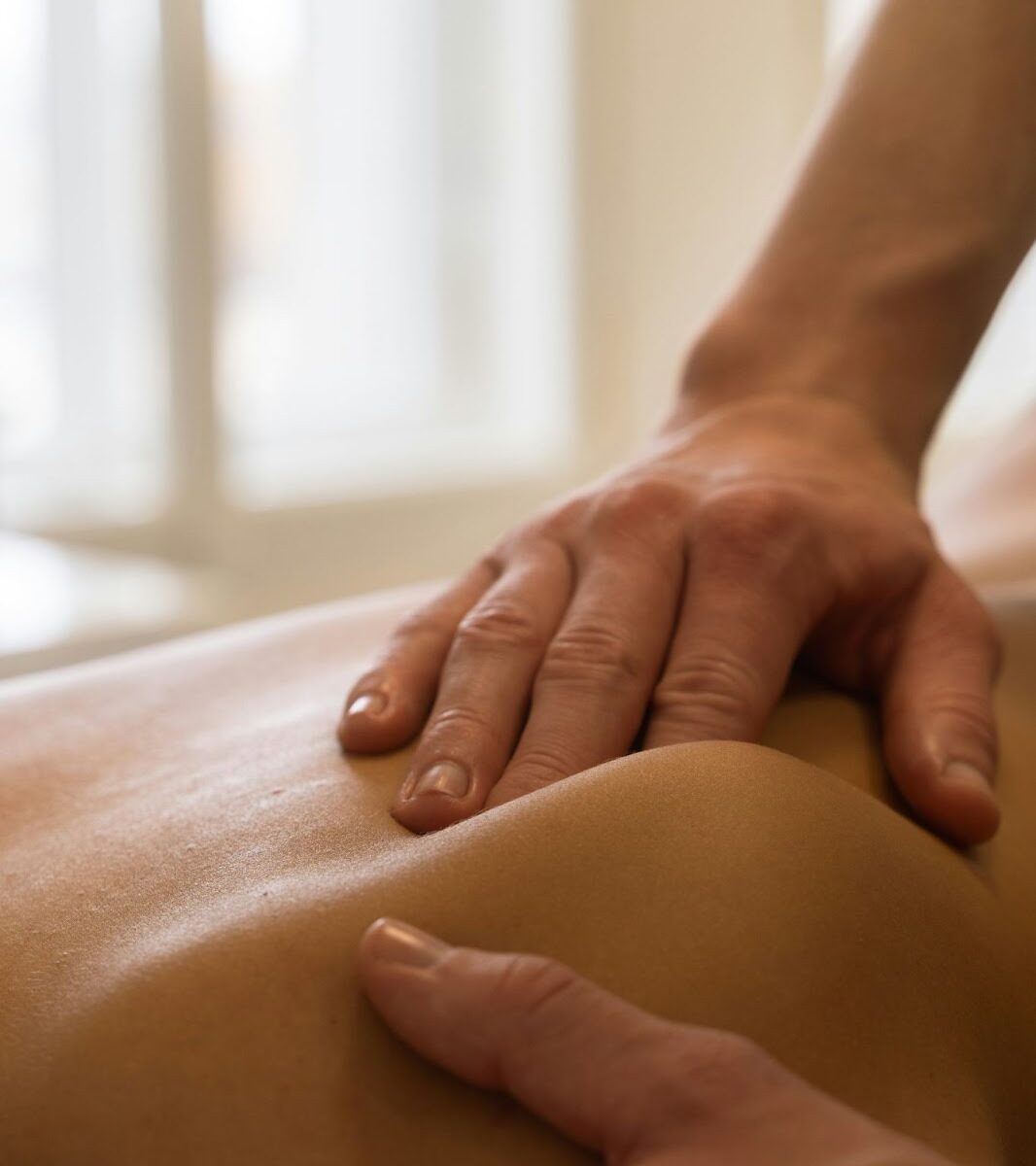
Therapist performing gentle manual lymph drainage massage on a personโ€™s upper back to promote relaxation and lymph flow

Manual lymph drainage (MLD) is a therapeutic massage that supports the body’s lymphatic system, which is compromised in post-cancer patients. After cancer treatments such as surgery or radiation, many patients face challenges like swelling, fluid retention, and weakened immune response due to disrupted lymph flow.

Lymphatic drainage massage for cancer patients offers a safe, non-invasive way to encourage lymph circulation, reduce these side effects, and promote healing. Manual lymphatic drainage San Diego is becoming a trusted part of post-cancer care, relieving discomfort and contributing to overall recovery.

Understanding why post-cancer patients need MLD highlights the essential role this therapy plays in enhancing quality of life and supporting long-term health following cancer treatment.

What is Manual Lymph Drainage and How Does It Work for Cancer Patients?

Manual lymph drainage is a specialized, gentle massage therapy that encourages lymph fluid flow through the lymphatic vessels. For post-cancer patients, lymphatic drainage massage San Diego stimulates the lymphatic system, which can be impaired after cancer treatments such as surgery or radiation.

Cancer treatments damage lymph nodes and vessels, leading to fluid buildup and swelling known as lymphedema. MLD uses light, rhythmic strokes that promote lymph flow, helping to reduce swelling and support detoxification. This therapy aids in the removal of excess fluids and waste products from tissues, enhancing immune function and supporting tissue repair.

Struggling with swelling, fatigue, or post-surgery recovery?

Book your personalized lymphatic drainage session today and experience natural, therapeutic healing that restores balance and promotes long-term wellness.

Book an Appointment

Trained therapists who understand cancer recovery needs and tailor treatments accordingly offer lymphatic drainage massage for cancer patients. Lymphatic drainage benefits include easing discomfort, improving mobility, and fostering healing, making it a valuable part of post-cancer care.

The Technique of Gentle, Rhythmic Massage to Stimulate Lymph Flow

MLD uses gentle, precise hand movements applied in a rhythmic pattern to activate the lymph vessels under the skin. Unlike deep tissue massages, MLD requires a soft touch to avoid irritating or damaging delicate tissues.

The therapist follows the natural pathways of the lymphatic system, focusing on areas near lymph nodes and channels to stimulate lymph movement. This technique encourages the opening of lymphatic vessels and smoothens the flow of lymph fluid, preventing stagnation. It also helps bypass blocked or damaged lymph nodes by redirecting lymph to healthy drainage areas.

For cancer patients, this significantly reduces swelling caused by impaired lymph flow. The specialized training ensures that therapists apply the correct pressure and sequence, which is essential for safety and effectiveness. An experienced lymphatic therapist San Diego provides lymphatic drainage massage tailored specifically for the needs of cancer survivors, maximizing therapeutic benefits while ensuring comfort and care.

Importance of Targeting the Lymphatic System for Fluid Drainage and Detoxification

Targeting the lymphatic system with manual lymph drainage is crucial because this system is responsible for removing toxins, cellular waste, and excess fluids from the bodyโ€™s tissues. After cancer treatments, lymphatic vessels become obstructed or damaged, reducing the systemโ€™s ability to cleanse tissues effectively.

This can lead to fluid accumulation, swelling, and increased risk of infection in the affected areas. MLD helps detoxify tissues and reduces swelling by stimulating lymphatic flow, improving immune function, and tissue repair. The enhanced drainage also supports pain relief and improved skin health.

Lymphatic drainage massage for cancer patients addresses the mechanical issues of lymph flow and promotes overall systemic balance and healing. In San Diego, many cancer recovery programs include MLD as a complementary therapy due to its lymphatic drainage benefits, helping patients regain comfort and quality of life post-treatment.

Benefits of Manual Lymph Drainage for Cancer Patients

Manual lymph drainage (MLD) benefits for post-cancer patients include reducing lymphedema and swelling, improving immune function, supporting tissue healing, enhancing comfort and mobility, and improving the overall quality of life. These benefits make MLD an essential therapy for many cancer survivors dealing with the long-term effects of treatment.

Lymphatic drainage massage for cancer patients is recognized as a valuable supportive care option that addresses physical symptoms and healing needs through its gentle, targeted approach.

Reducing Lymphedema and Swelling After Cancer Treatment

Lymphatic drainage massage for cancer patients is beneficial because it reduces lymphedema, a common side effect characterized by swelling caused by fluid buildup in tissues. Cancer treatments like surgery and radiation block or damage lymphatic vessels, obstructing normal fluid drainage.

MLD stimulates lymph circulation through gentle massage, promoting the movement of excess lymph fluid away from affected areas. This reduction in swelling helps alleviate discomfort and prevents the progression of lymphedema. Regular sessions of lymphatic massage San Diego improve limb size and reduce heaviness, making daily activities and mobility easier for post-cancer patients.

Improving Immune Function and Tissue Healing

MLDโ€™s stimulation of lymph flow enhances immune function by facilitating the transport of immune cells through the lymphatic system. The increased circulation helps the body fight infection and repair damaged tissues, a critical factor in cancer recovery.

Encouraging lymphatic drainage aids in removing cellular waste and toxins, creating an optimal environment for tissue healing. For cancer survivors, these benefits contribute to faster recovery times and better overall health outcomes.

 In San Diego, patients benefit from trained therapists who understand these therapeutic lymphatic drainage benefits and tailor treatments to maximize immune support and healing.

Enhancing Comfort, Mobility, and Quality of Life

Lymphatic drainage massage for cancer patients makes movement easier and less painful by decreasing swelling and reducing pain or tightness in affected areas. This improvement directly influences a patientโ€™s quality of life, enabling greater independence and participation in everyday activities.

Additionally, many patients report reduced fatigue and a sense of relaxation following MLD sessions. Therapists in San Diego provide personalized care to help patients regain functional mobility and enhance emotional well-being through the holistic benefits of manual lymph drainage.

Why Post-Cancer Patients in California Should Consider Lymphatic Drainage Massage

A therapist gently performing manual lymph drainage on a personโ€™s neck to support lymph flow and relaxation.

Post-cancer patients should consider manual lymph drainage (MLD) because it reduces common side effects like lymphedema and swelling, improves immune function, promotes tissue healing, and enhances overall comfort and mobility.

These benefits contribute to better long-term recovery and quality of life. Lymphatic drainage massage for cancer patients offers a gentle, effective option that supports the natural healing processes, making it a valuable addition to post-treatment care.

Common Post-Cancer Side Effects That MLD Can Alleviate

Many post-cancer patients experience swelling, fluid retention, pain, and limited mobility due to lymphatic system disruption from surgery or radiation. Lymphatic drainage massage helps alleviate these side effects by gently promoting lymph flow and reducing fluid buildup.

The therapy also eases discomfort and prevents worsening of symptoms, making recovery smoother and improving physical function. These lymphatic drainage benefits are critical for managing post-treatment complications, post-surgical care, and restoring normal body function.

Expertise Available in Manual Lymphatic Drainage Massage in San Diego

San Diego offers access to skilled therapists trained specifically in manual lymph drainage techniques for cancer patients. These professionals understand the unique needs of survivors and customize treatments to safely stimulate lymph flow, reduce swelling, and support healing.

Their expertise ensures that MLD is performed effectively and safely, maximizing benefits while minimizing risks. Patients feel confident receiving care from knowledgeable lymphatic drainage massage specialists committed to supporting cancer recovery.

How MLD Complements Other Cancer Recovery Therapies

Manual lymph drainage works well alongside other cancer recovery therapies such as physical therapy, occupational therapy, and pain management. MLD reduces swelling and improves circulation, enhancing the effectiveness of these treatments. This allows patients to progress more comfortably.

It also supports overall healing and immune function, creating a holistic approach to recovery. Combining lymphatic drainage massage for cancer patients with other treatments offers a comprehensive strategy that addresses multiple aspects of post-cancer health and well-being.

What to Expect During a Lymphatic Drainage Massage Session in San Diego

During a lymphatic drainage massage session, one should expect an assessment, targeted massage techniques, and clear communication about comfort and response. Patients can anticipate improvements in swelling, mobility, and overall relaxation. Lymphatic drainage massage for cancer patients is safe, effective, and tailored to individual recovery needs.

Typical Treatment Duration and Frequency for Post-Cancer Care

Post-cancer MLD lasts between 30 to 60 minutes, depending on the individual’s condition and treatment goals. Initially, patients may require multiple weekly sessions to manage swelling and stimulate lymph flow.

Over time, session frequency decreases as symptoms improve. Regular sessions help maintain lymphatic drainage benefits and support ongoing recovery. Therapists in San Diego customize treatment plans to maximize healing while respecting the patientโ€™s tolerance and schedule.

What Patients Feel During and After the Session

During an MLD session, patients feel light, gentle pressure and rhythmic massage movements that promote fluid movement without pain. Many describe the experience as calming and soothing, leading to immediate relaxation.

After the session, patients may notice reduced swelling, a sense of lightness, and improved mobility. Some report feeling more energized and less fatigued. These positive effects contribute to the therapeutic value of lymphatic drainage massage for cancer patients, enhancing quality of life during recovery.

Safe Practices and Contraindications for Cancer Patients

Safety is paramount when performing MLD on post-cancer patients. Therapists ensure proper assessment to avoid contraindications such as active infections, blood clots, or untreated cancer areas. The massage focuses on gentle pressure and avoids areas of concern.

Proper technique and ongoing communication with the patient help minimize risks. Understanding these precautions is essential to deliver the lymphatic drainage benefits that support healing and comfort during cancer recovery.

Conclusion

Lymphatic drainage massage for cancer patients helps reduce swelling, boost immune function, and improve recovery. These benefits make it an important part of post-cancer care. Beyond physical relief, MLD supports overall well-being and quality of life.

For those recovering from cancer, trying lymphatic drainage massage San Diego can offer valuable support and comfort. Explore this gentle therapy as a key step toward feeling stronger and more balanced after treatment.

FAQโ€™s About How Manual Lymph Drainage Can Help Post-Cancer Patients

Can manual lymph drainage prevent lymphedema after cancer surgery?

Manual lymph drainage cannot completely prevent lymphedema, but it can significantly reduce the severity and risk. Lymphatic drainage massage for cancer patients helps manage fluid buildup early by promoting lymph flow. Early intervention and consistent treatment are key to maximizing lymphatic drainage benefits and maintaining healthy lymphatic function after surgery.

How soon after cancer treatment can I start lymphatic drainage massage?

Lymphatic drainage massage for cancer patients can begin once the healthcare provider clears it, often a few weeks after surgery or radiation. Starting too early may cause complications, so timing depends on individual recovery. Early, guided MLD supports lymphatic drainage benefits safely, helping reduce swelling and improve healing during post-treatment care.

Is manual lymph drainage safe during radiation therapy?

Manual lymph drainage is safe during radiation therapy when performed by trained therapists aware of the patientโ€™s condition. MLD must avoid irradiated or inflamed areas to prevent irritation. This gentle technique supports lymphatic drainage benefits by reducing swelling and discomfort without interfering with treatment, enhancing recovery and comfort.

How long does it take to feel the benefits from lymphatic drainage massage?

After several MLD sessions, patients notice lymphatic drainage benefits like reduced swelling and improved comfort. Some feeling of relaxation may be immediate. Nevertheless, lasting results call for consistent treatment over weeks. Lymphatic drainage massage for cancer patients supports gradual improvement in mobility and well-being during recovery.

Chronic Venous Insufficiency in San Diego: Early Warning Signs to Watch For

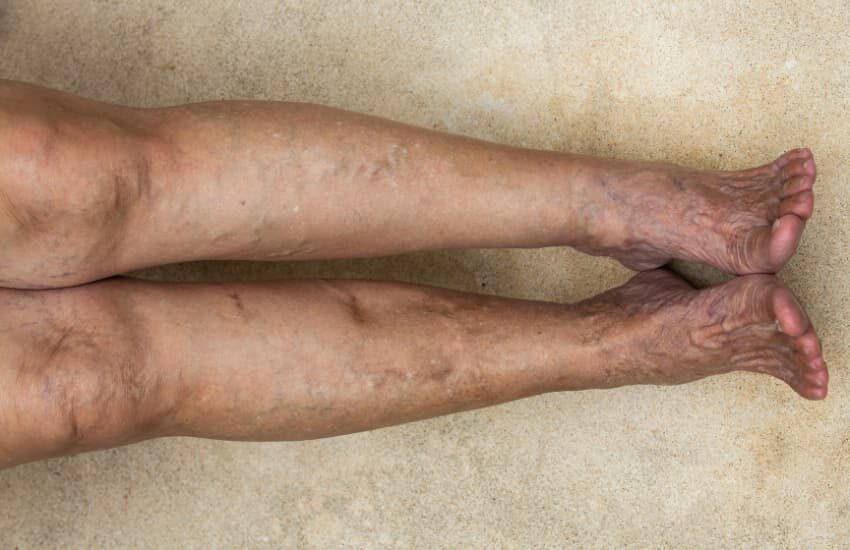
Legs showing visible varicose veins and skin changes, early signs of chronic venous insufficiency.

Chronic venous insufficiency manifests when your leg veins struggle to get blood back up to your heart. You might not notice it right away, but the valves malfunction in those veins cause it.

So, what are the common chronic venous insufficiency causes? Leg venous valves can get weak or damaged from activities like sitting or standing too long, being overweight, or even family history. Early signs, like legs feeling tired or heavy, are your body’s way of telling you to pay attention. If you catch these symptoms of venous insufficiency early, you can avoid bigger problems later on.

What Causes Chronic Venous Insufficiency and Who Is at Risk?

Chronic venous insufficiency causes include faulty vein valves, damaged vein walls, blood clots, prolonged sitting or standing, and genetic factors. People most at risk include those who have jobs demanding long-standing or sitting hours, individuals who are overweight, seniors, pregnant women, and people with a history of vein disease or deep vein thrombosis.

How Faulty Vein Valves Disrupt Blood Flow

Failed veins occur when the tiny one-way valves inside your leg veins do not work properly. Normally, the valves open to allow blood flow toward the heart and close to keep it from falling back. However, when the valves get weak or damaged from factors like pressure, injury, or age, blood flows backward instead. This causes blood pooling in the legs, which stretches and weakens the veins over time.

This pooling, or venous reflux, raises blood pressure, leading to swelling, heaviness, aching, and visible varicose veins. It also slows down the removal of waste and fluids, making legs feel tired and uncomfortable. Over time, if the faulty veins are not treated, more serious symptoms and skin changes develop.

Main Risk Factors Affecting San Diego Residents

In San Diego, many people are at risk because of their lifestyle or job. Those who stand or sit for long hours without moving, like retail workers, waiters, office employees, or delivery drivers, are prone to veins getting overworked. Obesity adds extra pressure on leg veins, making valve damage more likely. Expectant women are at a higher risk due to the additional blood volume and pressure in the veins.

Older adults have naturally weaker vein walls and valves. In addition, people who have had blood clots, especially deep vein thrombosis, have lasting vein damage. Family history also matters. Chronic venous insufficiency specialists in San Diego see patients with these risks, so understanding them can help get treatment early and prevent worse symptoms of venous insufficiency, like pain, swelling, and skin changes.

Symptoms of Venous Insufficiency to Watch For

The symptoms of chronic venous insufficiency to watch out for include varicose veins, leg pain, heaviness, tingling sensations, skin changes, and swelling. These warning signs indicate that your veins may struggle and that it is time to seek medical care. Early attention helps avoid serious complications down the road.

Identifying Varicose Veins Early

Varicose veins are the first visible sign of chronic venous insufficiency. They appear swollen, twisted, and bluish or purplish veins under the skin. You might notice them on your calves or thighs. Early on, these veins may not hurt, but their presence means your veins are under pressure and not working properly.

Recognizing varicose veins early is important because they mark underlying valvular failure and blood pooling. Ignoring them can lead to worsening symptoms, including pain and swelling. Chronic venous insufficiency specialists recommend regular leg checks and medical evaluations if varicose veins appear, helping you catch problems before they progress to skin changes or ulcers.

Common Sensations: Pain, Heaviness, and Tingling

Many people with chronic venous insufficiency describe leg pain that worsens when they are standing or sitting for a long time. This pain usually feels dull or achy. There is a sensation of heaviness in the legs, making them feel tired or weighed down. Tingling or burning sensations also occur, sometimes described as pins and needles.

These symptoms happen because blood pools in the veins and circulation slows, resulting in swelling and nerve irritation. Paying attention to these signals prompts timely visits to chronic venous insufficiency specialists who offer treatments to reduce discomfort and prevent progression.

Skin Changes and Swelling as Red Flags

Swelling in the legs, ankles, and feet is a common symptom of chronic venous insufficiency, worsening as the day goes on. Chronic swelling causes the skin to stretch and sometimes break down, leading to changes like dryness, discoloration, and thickening, known as lipodermatosclerosis. Skin may become itchy, scaly, or red and irritated.

These skin changes are red flags signaling worsening vein disease and increased risk for ulcers or infections. When these signs appear, it is critical to seek care from chronic venous insufficiency specialists promptly. In some cases, patients may also benefit from visiting a chronic Lyme disease treatment center if overlapping symptoms exist or infections complicate their condition.

How Chronic Venous Insufficiency is Treated

Chronic venous insufficiency is treated through lifestyle changes, compression therapy, medical treatments, and surgical options. Treating chronic venous insufficiency relieves symptoms, improves circulation, prevents complications like ulcers and infections, and enhances patients’ overall quality of life. Without proper treatment, the condition can worsen, leading to more severe symptoms and long-term damage.

Lifestyle Changes and Use of Compression Therapy

One of the first steps in managing chronic venous insufficiency is making lifestyle changes that promote better blood flow. Raising your legs above heart level several times a day eases swelling by helping blood flow back to the heart. Regular exercise, especially walking, activates the calf muscles, which act as pumps to push blood through the veins and prevent pooling. Maintaining a healthy weight alleviates pressure on your leg veins, improving circulation.

Compression therapy is essential and recommended by chronic venous insufficiency specialists. It involves wearing compression stockings that apply gentle pressure to the legs, helping veins propel blood upward. These stockings come in various strengths and sizes, and patients should use them consistently for maximum benefit. Compression reduces swelling, discomfort, and slows the progression of vein damage, making it a cornerstone of treatment.

Medical and Surgical Options Offered

Medical and surgical treatments become necessary when lifestyle changes and compression do not completely ease symptoms. Specialists may prescribe medications to reduce swelling and inflammation. Sclerotherapy involves injecting a treatment solution into problematic veins, collapsing and fading them over time.

Thermal ablation therapies (including endovenous laser therapy and radiofrequency ablation) use heat to seal off faulty veins, rerouting blood flow to healthier veins. These minimally invasive procedures are performed with local anesthesia and offer quick recovery times. Chronic venous insufficiency specialists tailor these treatments to individual needs, ensuring optimal outcomes with minimal discomfort.

Preventing Complications like Ulcers and Infections

Preventing complications is a vital part of managing and treating chronic venous insufficiency. When blood lacks proper flow, it can cause skin ulcersโ€”open wounds that are slow to heal. These ulcers lead to infections, which cause pain and delayed healing. They usually require antibiotics or hospitalization.

In some complex cases, patients may have overlapping symptoms that benefit from visiting a chronic Lyme disease treatment center for additional evaluation and care. Preventing ulcers and infections is crucial to avoid prolonged pain, inflammation, and mobility issues, making it an essential focus of treatment.

Tips to Reduce Chronic Venous Insufficiency Symptoms

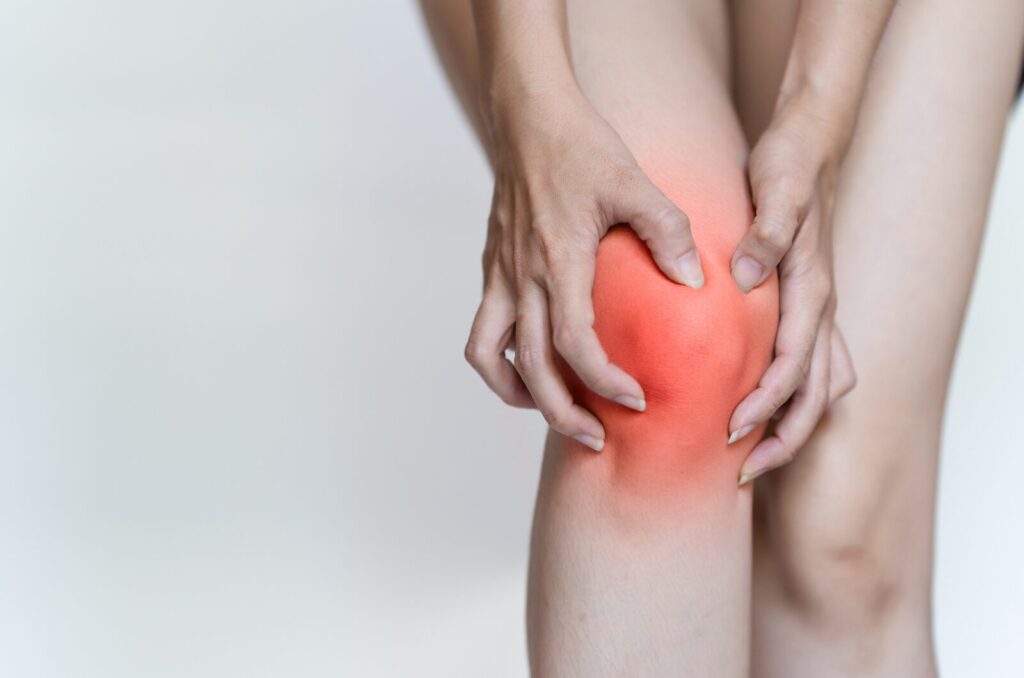
Person holding a red, swollen knee indicating joint pain or inflammation, showing early signs of knee arthritis.ย 

You can reduce chronic venous insufficiency symptoms by elevating your legs regularly, wearing compression stockings, and engaging in moderate exercise. These tips help improve blood flow, decrease swelling, and ease discomfort. Consistently practicing these habits makes a big difference in managing symptoms of venous insufficiency and preventing complications.

Elevate Your Legs Regularly

Elevating your legs means raising them above heart level several times a day to aid blood flow back toward your heart. Gravitational pull helps reduce the pressure in your leg veins and forces pooled blood to move out of the lower legs. This simple habit reduces swelling, decreases feelings of heaviness, and fights fatigue.

Struggling with swelling, fatigue, or post-surgery recovery?

Book your personalized lymphatic drainage session today and experience natural, therapeutic healing that restores balance and promotes long-term wellness.

Book an Appointment

Elevation is as easy as lying down with a few pillows under your legs or resting your legs on the armrest of a sofa. Chronic venous insufficiency specialists emphasize making leg elevation a daily routine, especially after long periods of standing or sitting. It is a safe, non-invasive way to relieve and protect your veins from damage.

Wear Compression Stockings

Compression stockings improve circulation by gently squeezing your legs, preventing blood from pooling, and reducing swelling. These specially designed stockings apply gradient pressureโ€”tighter at the ankles and looser toward the kneesโ€”helping veins push blood back to the heart. Wearing them as recommended by chronic venous insufficiency specialists prevents varicose veins from progressing, relieves pain, and reduces fatigue.

Modern compression stockings come in various styles and materials, making them more comfortable and easier to wear during daily activities than older versions. If you are unsure which compression level is best, a specialist can help you choose.

Engage in Moderate Exercise

Regular exercise therapy, such as walking, swimming, or cycling, activates the calf muscles, which pump blood through your veins. This enhances circulation and prevents blood from pooling in the legs, a root cause of symptoms like swelling and heaviness.

Exercise also aids weight management, lessening vein pressure. For those with sedentary jobs, taking short movement breaks during long sitting periods helps circulation. Chronic Lyme disease treatment center experts recommend exercise alongside other treatments to improve overall vascular and systemic health. Incorporating moderate exercise enhances vein function and quality of life while managing symptoms effectively.

Conclusion

Chronic venous insufficiency causes disrupted blood flow in leg veins, leading to discomfort and complications if untreated. Recognizing the early symptoms of venous insufficiency is crucial to managing the condition and avoiding serious issues like ulcers or infections. Taking steps to address chronic venous insufficiency causes, such as seeking expert advice and appropriate treatments, significantly improves quality of life.

For those experiencing these symptoms, consulting chronic venous insufficiency specialists ensures a tailored approach to care. Collaborating with a chronic Lyme disease treatment center may also be beneficial if complexities arise. Do not wait for symptoms to worsen. Early action can make all the difference. Consider booking an evaluation to keep your veins healthy and comfortable.

FAQโ€™s About Chronic Venous Insufficiency

Does Sitting or Standing for Long Periods Make Venous Insufficiency Worse?

Yes, sitting or standing for long periods makes venous insufficiency worse. It increases pressure in the leg veins, leading to blood pooling and valve damage. This impairs blood flow and increases symptoms like swelling and heaviness. Avoiding prolonged immobility and using breaks to move reduces strain. Chronic venous insufficiency specialists emphasize managing these habits to protect vein health.

What Exercises Help Improve Blood Flow in Legs?

Exercises like walking, calf raises, and swimming activate leg muscles that help pump blood upward, reducing pooling. Regular moderate exercise improves circulation, eases swelling, and relieves discomfort. Engaging in daily movement is a key recommendation from chronic venous insufficiency specialists for managing symptoms effectively.

Does Pregnancy Raise Risk for Venous Insufficiency?

Yes. Pregnancy increases blood volume and pressure on leg veins, raising the risk of vein valve damage and venous insufficiency. Hormonal changes also relax vein walls. Pregnancy-related chronic venous insufficiency (CVI) improves after childbirth, but requires monitoring. Specialists guide pregnant women on preventive measures to reduce complications.

What Happens if Venous Insufficiency Is Untreated?

Untreated venous insufficiency worsens symptoms like severe swelling, skin changes, ulcers, and infections. These complications can cause pain, disability, and serious health risks. Early treatment guided by chronic venous insufficiency specialists prevents progression and improves outcomes.

Are There Effective Non-Surgical Treatments for Advanced CVI?

Yes, non-surgical options such as compression therapy, medication, and minimally invasive procedures help manage advanced CVI symptoms. These treatments reduce pain and swelling without surgery. Persistent infections or overlapping conditions may require comprehensive care at a chronic Lyme disease treatment center.

5 Simple Ways to Support Your Lymphatic System at Home

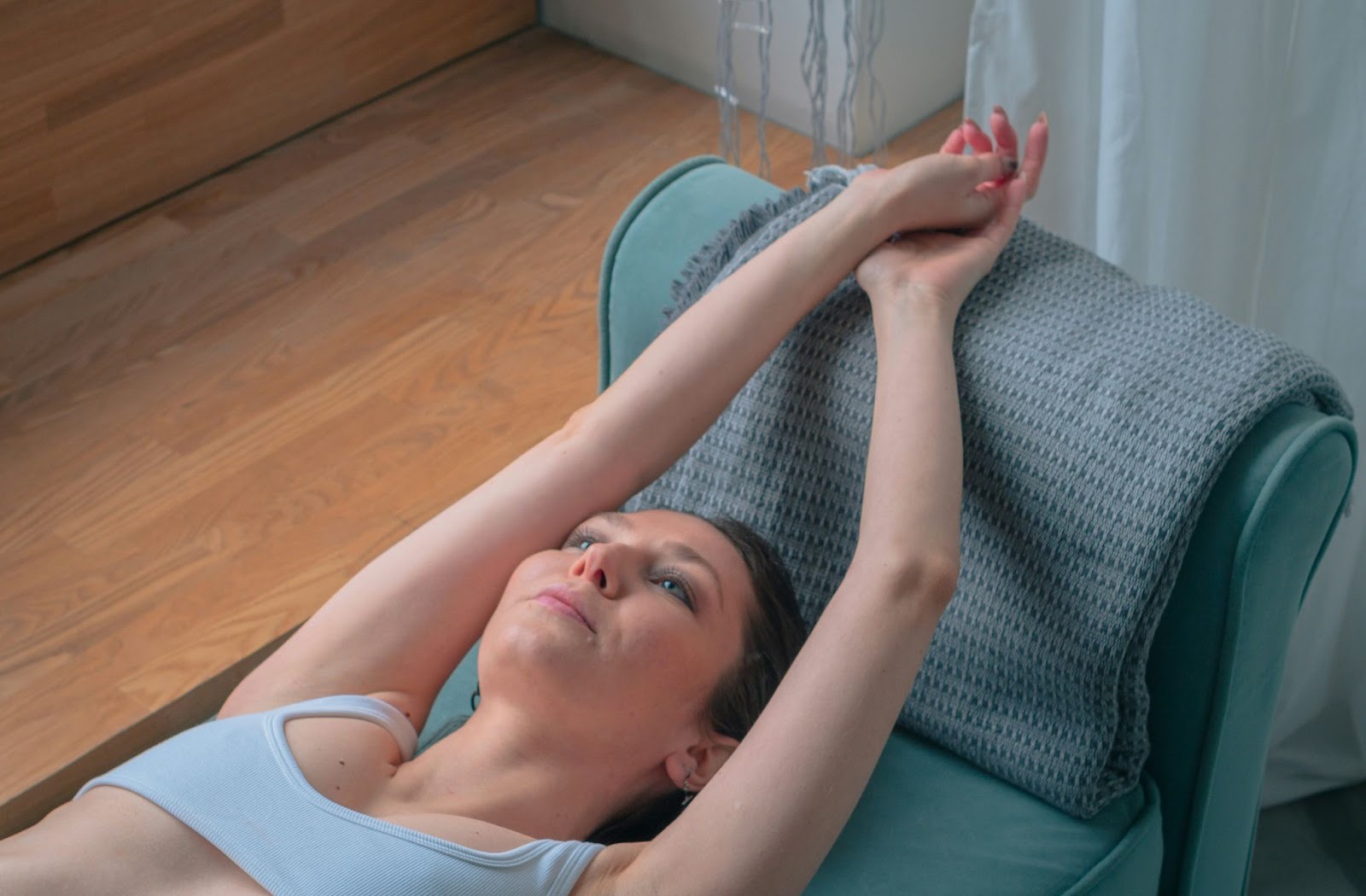
Relaxed woman lying on a sofa stretching her arms, practicing gentle self-care to support lymphatic flow at home.

Lymphatic self-care helps maintain a healthy and well-functioning lymphatic system. This system removes toxins, supports immune function, and maintains fluid balance. Incorporating simple lymphatic system health tips into your daily routine improves lymph flow, reduces swelling, and boosts overall wellness.

These easy and effective strategies help your body naturally detoxify and support immune health without requiring specialized equipment or medical supervision. Prioritizing self-care enhances your body’s natural cleansing processes and allows you to enjoy better energy and vitality every day.

5 Simple At-Home Practices for Effective Lymphatic Self-Care

The five simple lymphatic self-care practices include staying hydrated, moving your body with gentle exercise, practicing deep breathing, using self-massage and dry brushing, and supporting lymph health through diet. These practices help your body by promoting lymph flow, reducing swelling, enhancing detoxification, and boosting immune function.

At-home self-care techniques are easy to perform daily without specialized equipment or medical supervision. This makes the techniques accessible and safe to support your lymphatic systemโ€™s natural cleansing processes.

1. Stay Hydrated for Better Lymph Flow

Staying hydrated is among the most essential lymphatic self-care and lymphatic system health tips. Water keeps lymph fluid thin and flowing smoothly, which is vital for the system to function properly.

When dehydrated, lymph fluid thickens, slowing drainage and leading to fluid retention and swelling. Drinking sufficient water daily improves detoxification by helping the lymphatic system flush out toxins effectively. Including herbal teas and water-rich fruits like watermelon and cucumber further enhances hydration.

Hydration boosts the benefits of lymphatic drainage massage at home, as well-hydrated tissues respond better to massage and promote efficient lymph movement. Prioritizing hydration lays the groundwork for overall lymphatic health and ensures that self-care practices are more effective. This supports the bodyโ€™s natural cleansing and immune functions.

2. Move Your Body with Gentle Exercise

Gentle exercise is a key lymphatic system health tip and an effective lymphatic self-care practice that encourages lymph fluid to circulate. The lymphatic system lacks a pump like the heart. Walking, yoga, swimming, and stretching stimulate muscle contractions.

The muscle action pushes lymph through vessels toward lymph nodes for filtration and detoxification. Regular gentle exercise improves circulation, reduces swelling, and supports immune function.

Incorporating simple movement routines at home enhances lymphatic drainage massage at home by increasing lymph flow and improving tissue oxygenation. Exercise also promotes overall well-being, reduces inflammation, and supports cardiovascular health. Making gentle activity part of daily life is an accessible and powerful way to maintain lymphatic health naturally.

Struggling with swelling, fatigue, or post-surgery recovery?

Book your personalized lymphatic drainage session today and experience natural, therapeutic healing that restores balance and promotes long-term wellness.

Book an Appointment

3. Practice Deep Breathing

Deep breathing is a lymphatic self-care technique that supports the bodyโ€™s natural detoxification processes. The lymphatic system relies on the movement of the diaphragm during deep breaths to pump lymph fluid through the thoracic duct and into the bloodstream.

Proper breathing enhances lymph flow, reduces fluid retention, and helps eliminate waste efficiently. You can practice deep diaphragmatic breathing at home anytime and anywhere. This makes it an accessible lymphatic system health tip.

Deep breathing promotes relaxation, lowers stress hormones that can impair lymphatic function, and supports immune health. This technique complements other at-home lymphatic drainage massage practices by improving circulation and encouraging deeper lymph movement. This makes it an integral part of a comprehensive self-care routine.

4. Use Self-Massage and Dry Brushing

Self-massage and dry brushing are lymphatic self-care methods that encourage lymph fluid movement and reduce congestion. Lymphatic drainage self-massage involves gentle, rhythmic strokes applied toward lymph nodes. This helps stimulate lymph flow and decrease swelling.

Dry brushing exfoliates the skin and stimulates superficial lymph vessels using a natural bristle brush, which enhances detoxification. You can perform both practices at home as part of your daily routine. This makes them accessible and cost-effective lymphatic system health tips. These techniques improve circulation, promote toxin removal, and complement other activities like hydration and exercise. Including regular self-massage and dry brushing supports the bodyโ€™s ability to cleanse, reduces fluid buildup, and enhances overall lymphatic health.

5. Support Lymph Health Through Diet

A balanced diet is rich in antioxidants, vitamins, and anti-inflammatory compounds that are essential for effective lymphatic self-care. One of the most important lymphatic system health tips is to consume plenty of fruits, vegetables, whole grains, and healthy fats.

These foods help protect lymphatic vessels and promote detoxification. Nutrient-rich foods supply the body with antioxidants that reduce inflammation and oxidative stress, which impair lymphatic function. Eating a diet low in processed foods and excess salt helps prevent fluid retention and swelling.

Proper nutrition also fuels the immune system, which collaborates with the lymphatic system. A healthy diet combined with other practices like lymphatic drainage massage at home enhances the bodyโ€™s natural cleansing processes and supports long-term lymphatic health and wellness.

Conclusion

Prioritizing lymphatic self-care supports your body’s natural detoxification and immune defense. Adopting simple, consistent habits helps you improve lymph flow, reduce swelling, and boost overall wellness. Staying hydrated helps maintain thin lymph fluid for easy movement.

Gentle exercise stimulates circulation and lymph drainage. Deep breathing powers lymph flow through the thoracic duct. Self-massage and dry brushing encourage lymph movement and toxin removal. Eating a balanced diet supplemented with antioxidants and anti-inflammatory nutrients strengthens lymphatic vessels and supports immune function.

These practices create a powerful routine that helps your lymphatic system work efficiently. Incorporate these effective habits into your daily life by booking an appointment today and experience better energy, improved health, and stronger immune resilience through conscious lymphatic self-care.

FAQs

How to Naturally Support the Lymphatic System?

Naturally supporting the lymphatic system involves self-care practices like staying hydrated, moving gently, practicing deep breathing, and using self-massage or dry brushing.

These activities promote lymph flow, reduce swelling, and help detoxify the body without side effects. A healthy diet rich in antioxidants also supports optimal lymphatic function.

What Is the Best Way to Support the Lymphatic System?

The best way to support the lymphatic system is to combine multiple lymphatic self-care methods. Hydration, gentle exercise, deep breathing, and lymphatic drainage self-massage synergistically boost circulation, detoxification, and immune health. Including these practices in your daily routine ensures effective lymph flow and long-term lymphatic wellness.

What Is the Fastest Way to Cleanse Your Lymphatic System?

The fastest way to cleanse your lymphatic system involves consistent lymphatic drainage self-massage, deep breathing, and hydration. These techniques promote lymph flow, reduce fluid buildup, and flush out toxins. Regular practice accelerates detoxification and improves overall lymphatic system health safely and naturally.

How Do I Drain My Lymphatic System Myself at Home?

You can drain your lymphatic system at home by practicing lymphatic drainage self-massage using gentle, rhythmic strokes directed toward lymph nodes. Combine this with deep breathing, hydration, and gentle exercise to maximize lymph flow. Learning proper techniques and consistency as recommended by Dr. Linda Ann Kahn, an internationally trained and certified therapist with more than three and a half decades of experience, ensures effective, safe self-care supporting daily lymphatic health

The Benefits of Integrative Therapies: Aromatherapy, Cupping, and Laser in Lymphatic Health

Therapist using suction cups on a patientโ€™s back to support lymphatic flow, healing, and detox in cupping therapy.

Integrative therapies offer a comprehensive approach to supporting lymphatic health by blending conventional medicine with complementary practices. Techniques like aromatherapy, cupping, and low-level laser therapy provide natural, non-invasive ways to reduce inflammation, stimulate lymph flow, and enhance the body’s detoxification processes.

These therapies work holistically to improve circulation and promote healing in the lymphatic system, which is essential for fluid balance and immune function. The benefits of integrative therapies extend beyond symptom relief. These techniques address underlying factors that contribute to lymphatic congestion and swelling.

Using these treatments as part of a balanced wellness plan empowers individuals to manage lymphatic health more effectively and gently. Integrative therapies provide a safe, supportive advantage for those seeking to improve lymphatic function and overall vitality.

Integrative Therapies that Support Lymphatic Health


Integrative therapies include aromatherapy, cupping, and low-level laser therapy. Each method contributes distinct benefits to support lymphatic health. The lymphatic system is critical in immune defense, fluid balance, and detoxification.

However, it can become sluggish or congested, leading to swelling and discomfort. These therapies help stimulate lymph flow, reduce inflammation, and promote the bodyโ€™s natural healing processes. This makes them valuable tools for maintaining lymphatic wellness.

Aromatherapy: Harnessing Essential Oils for Lymphatic Flow

Aromatherapy uses plant-based essential oils to stimulate the lymphatic system and reduce swelling. When used in massage or inhalation, oils such as lavender, eucalyptus, and rosemary have anti-inflammatory and detoxifying properties that enhance lymph flow.

Aromatherapy treatment promotes relaxation, which indirectly supports better circulation and lymph drainage. Introducing these natural compounds helps ease congestion in lymph nodes and eliminate toxins.

This gentle, non-invasive therapy, used alongside other treatments, provides holistic lymphatic support and improves overall well-being.

Cupping Therapy: Stimulating Circulation and Lymph Drainage

Cupping therapy utilizes suction cups that create negative pressure on the skin. This stimulates blood flow and lymphatic drainage. This technique promotes circulation, helps break up lymphatic congestion, and reduces swelling by encouraging the movement of stagnant lymph fluid.

Cupping also activates the body’s healing response, which improves oxygenation and nutrient delivery to tissues. It relieves muscle tightness and improves immune function. Cupping is valuable for lymphatic health because it enhances detoxification pathways and supports fluid balance in affected areas.

Struggling with Swelling, Fatigue, or Post-surgery Recovery?

Book your personalized lymphatic drainage session today and experience natural, therapeutic healing that restores balance and promotes long-term wellness.

Book an Appointment

Low-Level Laser Therapy: Advanced Support for Lymphatic Healing

Low-level laser therapy (LLLT) uses specific wavelengths of light to penetrate tissues and stimulate cellular repair. This advanced technique enhances lymphatic healing by improving microcirculation and reducing inflammation.

LLLT promotes the regeneration of lymphatic vessels, accelerates wound healing, and eases pain associated with lymphatic disorders. It also stimulates immune responses and helps clear lymphatic blockages. As a non-invasive treatment, LLLT complements other integrative therapies to provide comprehensive and targeted support for lymphatic system restoration.

Why Integrative Approaches Work Better Together

Integrative therapies work better together because they reduce inflammation, enhance circulation, and promote cellular repair simultaneously. Combining these therapies addresses multiple causes of lymphatic dysfunction, making treatment more comprehensive and effective.

Chronic inflammation damages lymph vessels and worsens swelling. Aromatherapy’s anti-inflammatory essential oils complement the anti-inflammatory effects of low-level laser therapy, providing dual support that calms inflammation more effectively than either therapy alone.

Enhancing circulation improves lymph flow, which is essential to clear fluid buildup. Cupping therapy physically stimulates blood and lymph circulation, while aromatherapy promotes relaxation and better vascular tone. Together, they boost lymph drainage more than individual use.

Promoting cellular repair helps restore lymphatic vessel health and function. Low-level laser therapy accelerates cellular healing. Adding cuppingโ€™s ability to enhance oxygen delivery optimizes tissue repairs. This combination supports faster recovery and improved lymphatic function.

Integrative therapies in combination create a holistic approach that tackles lymphatic issues on multiple fronts, improving outcomes and providing more balanced, long-lasting relief.

Conclusion

Integrative therapies offer a powerful and natural way to support lymphatic health by combining the benefits of aromatherapy, cupping, and low-level laser therapy. The treatments work together to reduce inflammation, improve circulation, and promote healing.

This provides comprehensive care for lymphatic conditions. Incorporating integrative therapies into your wellness routine enhances lymph flow, reduces swelling, and improves overall well-being. Explore these therapies as safe, effective options to boost lymphatic function and enjoy better health. Start your journey by booking integrative therapies appointments today to experience their full benefits.

FAQs

Is Cupping Therapy Safe for People with Lymphedema or Swelling?

Cupping therapy is safe for people with lymphedema when performed by trained professionals. It helps stimulate lymph flow and reduce congestion. However, caution is needed to avoid broken skin or active infections.

Always consult a healthcare provider before cupping to ensure it suits your condition and complements your overall lymphedema treatment care.

How Does Low-Level Laser Therapy (LLLT) Support Lymphatic Healing?

Low-Level Laser Therapy (LLLT) uses light to stimulate cellular repair, reduce inflammation, and enhance lymphatic vessel function. It promotes faster healing of damaged tissues and supports efficient lymph drainage.

LLLT is a painless, non-invasive integrative therapy that is beneficial for improving lymphatic health and managing swelling related to lymphatic disorders.

Are There Any Side Effects or Risks Associated with These Integrative Therapies?

Integrative therapies like aromatherapy, cupping, and LLLT have minimal side effects when used correctly. Some may experience mild skin irritation or temporary redness with cupping.

Essential oils in aromatherapy can cause allergic reactions if not used properly. Always seek professional guidance to minimize risks and ensure safe, effective treatment tailored to your lymphatic needs.

Can I Do Aromatherapy or Cupping at Home, or Should I See a Professional?

You can do gentle aromatherapy at home using quality essential oils. However, trained professionals should perform cupping therapy to avoid injury and ensure effectiveness.

Professional guidance from experts like Dr. Linda Anne Kahn, who has more than thirty-five years of experience and is recognized internationally, guarantees safety, proper technique, and personalized treatment plans for lymphatic health. Consult healthcare providers before starting any integrative therapies to optimize outcomes.

Nutrition Tips to Support Your Lymphatic Health and Reduce Swelling

Doctor advising a patient on nutrition with fruits to support lymphatic health and reduce swelling.

A well-planned lymph drainage diet supports the health and function of the lymphatic system and reduces swelling associated with conditions like lymphedema. The diet focuses on nutrient-dense, anti-inflammatory foods that encourage lymph flow, decrease fluid retention, and assist the bodyโ€™s natural detoxification processes.

Individuals help maintain clear lymphatic pathways and reduce inflammation by choosing the right balance of fruits, vegetables, healthy fats, and hydration. A proper lymphedema diet supports lymph drainage and strengthens the immune system, promoting lymphedema recovery.

Avoiding processed foods, excessive salt, and unhealthy fats is important to prevent further lymphatic congestion. Emphasizing natural, whole foods alongside good hydration supports ongoing lymphatic health and helps the body efficiently clear toxins.

Incorporating these nutrition tips into daily life ensures better lymphedema management and improves the quality of life.

How Nutrition Affects the Lymphatic System

Nutrition affects the lymphatic system by reducing inflammation, improving circulation, and supporting detoxification. A well-planned lymphedema diet includes lymph drainage foods that help the lymphatic system function optimally.

Reducing inflammation is essential because chronic inflammation damages lymph vessels and nodes. This leads to fluid buildup and swelling. Anti-inflammatory foods like berries and leafy greens help calm the bodyโ€™s immune response and protect the lymphatic system.

Improving circulation aids lymph flow since the lymphatic system depends on muscle movement to move lymph fluid. Nutrient-rich foods rich in antioxidants and healthy fats support blood vessel health, assisting lymph drainage.

Supporting detoxification is vital as the lymphatic system filters toxins from the body. Foods high in fiber and hydration promote waste elimination through the digestive system, indirectly boosting lymphatic cleansing.

These nutritional factors work together to maintain healthy lymphatic function and prevent lymphedema complications.

Essential Guidelines for a Lymph-Healthy Diet

A lymph drainage diet follows specific guidelines, including proper hydration, maintaining electrolyte balance, reducing inflammation, and supporting gut health. These guidelines help optimize lymph flow, support natural detoxification, and prevent fluid buildup that can lead to swelling.

Hydration

Proper hydration is crucial for a lymph drainage diet because lymph fluid is primarily water-based. Staying well hydrated thins the lymph, making it easier to flow through the vessels and preventing blockages and swelling.

Drinking enough water supports the detoxification lymphatic system by flushing toxins out of the tissues. Dehydration causes lymph to become thick and sluggish, impairing its ability to transport fluids and immune cells effectively.

Electrolyte Balance

Maintaining electrolyte balance is vital for regulating the fluid balance in and around the lymphatic tissues. Essential electrolytes such as calcium and magnesium help control fluid retention and prevent swelling associated with lymphedema.

These minerals support proper muscle contractions, which aid lymph movement since the lymphatic system depends on muscle activity to circulate lymph fluid throughout the body.

Inflammation

Reducing inflammation is important because chronic inflammation damages lymph vessels and nodes, which leads to poor lymph drainage and swelling. An anti-inflammatory diet containing healthy fats, antioxidants, and phytochemicals helps calm the immune response and protects lymphatic tissues.

Lowering systemic inflammation improves overall lymph flow, reduces tissue pressure, and supports the lymphatic systemโ€™s role in immune defense and detoxification.

Gut Health

Gut health is linked to lymphatic function since the digestive system helps eliminate toxins and waste. A healthy gut microbiome supports immune function and helps reduce the toxic load on the lymphatic system.

Consuming probiotic-rich foods and sufficient dietary fiber encourages regular bowel movements and toxin clearance, indirectly enhancing lymphatic detoxification and reducing swelling risks.

Top Foods to Include in Your Lymph Drainage Diet

A doctor holding a croissant and an orange, explaining healthy food choices to a patient suffering from lymphedema

The top lymph drainage foods include water, leafy greens, colored fruits and berries, cruciferous vegetables, and healthy fats rich in omega-3s. These foods are essential because they support lymphatic detoxification, reduce inflammation, and maintain healthy lymph flow. Incorporating nutrient-dense foods helps strengthen the lymphatic system and reduces swelling associated with lymphedema.

Water

Water is the foundation of any lymph drainage diet as it keeps the lymph fluid thin and mobile. Adequate hydration supports the detoxification lymphatic system by flushing out toxins and preventing fluid stagnation that can lead to swelling. Drinking plenty of water encourages smooth lymph flow and maintains overall lymphatic health.

Leafy Greens

Leafy greens like spinach, kale, and Swiss chard are rich in antioxidants, vitamins, and fiber. These nutrients help lower inflammation and support immune function, which maintains the integrity of lymph vessels. Eating leafy greens regularly promotes detoxification and enhances lymphatic drainage.

Colored Fruits & Berries

Colored fruits and berries provide a high concentration of antioxidants and vitamin C, which protect lymphatic tissues from oxidative stress and inflammation. Foods like blueberries, strawberries, and oranges support the lymph drainage diet by aiding the bodyโ€™s natural detoxification and immune defense processes.

Cruciferous Vegetables

Cruciferous vegetables, including broccoli, cauliflower, and Brussels sprouts, contain compounds that promote liver detoxification. This reduces the toxic burden on the lymphatic system and improves lymph flow. They also offer fiber and antioxidants, further supporting lymphatic health and swelling reduction.

Healthy Fats & Omega-3s

Healthy fats from avocados, nuts, seeds, and omega-3-rich fish contribute to cell membrane health and lower systemic inflammation. Healthy fats are integral to a lymphedema diet because they help preserve lymphatic vessel function and support immune responses, promoting efficient lymph drainage.

Conclusion

A lymphedema diet is vital for supporting the lymphatic system because it helps reduce swelling, improve lymph flow, and enhance the bodyโ€™s natural detoxification processes. Following these dietary guidelines helps promote hydration, reduce inflammation, and provide nutrient-rich foods that protect and strengthen lymphatic vessels.

This combination helps prevent fluid buildup and encourages efficient lymphatic drainage. Focusing on whole foods like leafy greens, colorful fruits, and healthy fats ensures symptom management and long-term lymphatic health.

Incorporating these principles into daily life complements medical treatments and empowers people to take control of their lymphatic wellness. Start today by making mindful nutrition choices and booking an appointment to significantly improve the quality of life and lymphatic function.

FAQโ€™s

What Foods Help Reduce Swollen Lymph Nodes?

Foods rich in antioxidants, vitamins, and anti-inflammatory compounds help reduce swollen lymph nodes. Leafy greens, colorful fruits like berries, and cruciferous vegetables support lymphatic detoxification and reduce inflammation.

These lymph drainage foods aid the immune system and encourage proper lymph flow, helping to alleviate swelling and discomfort naturally.

What Is the Best Nutrition for Lymphedema?

The best nutrition for lymphedema management includes a balanced lymphedema diet rich in anti-inflammatory foods, healthy fats, and adequate hydration. Consuming lymph drainage foods like leafy greens, fruits, and omega-3 fatty acids supports lymphatic health and reduces swelling. Avoid processed foods and excess salt to prevent fluid retention.

What Nutrient Helps Lymphatic Drainage?

Key nutrients that aid lymphatic drainage include antioxidants, vitamin C, omega-3 fatty acids, and fiber. These nutrients reduce inflammation, protect lymph vessels, and support immune function.

Incorporating lymph drainage foods rich in these nutrients is essential for maintaining healthy lymph flow and promoting detoxification.

What Is a Healthy Diet for Lymphatic Patients?

A healthy diet for lymphatic patients emphasizes hydration, anti-inflammatory foods, and nutrient-dense choices. The lymph drainage diet includes plenty of water, leafy greens, colorful fruits, cruciferous vegetables, and healthy fats.

A healthy diet, as recommended by Dr. Linda Anne Kahn, an internationally certified therapist with over thirty-five years of experience, supports lymphatic function, reduces swelling, and boosts the body’s natural detoxification ability.

Simple Movements to Activate Your Lymphatic System

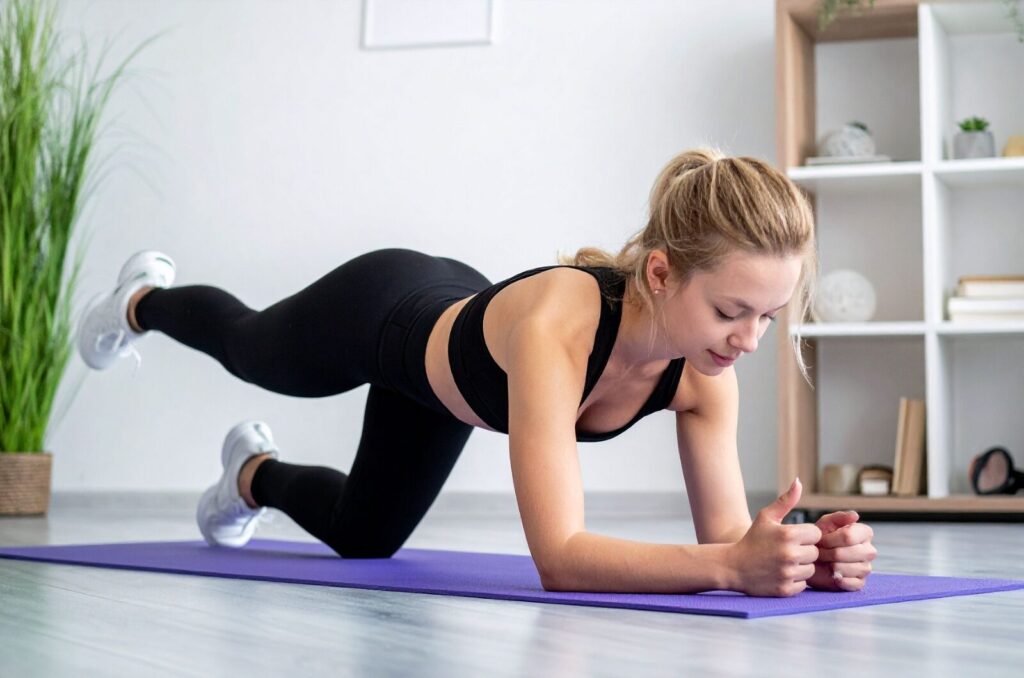
Women doing floor exercises to activate the lymphatic system, improve circulation, and boost overall wellness.

Lymphatic system exercise helps maintain the body’s natural detoxification and immune functions. The lymphatic system relies on gentle movements to stimulate the flow of lymph fluid. The movement action removes toxins and waste from tissues.

Incorporating simple exercises into your daily routine activates the lymphatic system, which promotes better fluid balance, reduces swelling, and boosts overall health.

Lymphatic system exercise enhances circulation and supports the body’s natural cleansing processes through breathing techniques, light aerobic movements, or stretching. Starting with gentle activities can make a significant difference in keeping the lymph flowing smoothly and effectively.

What You Need to Know About the Lymphatic System

The lymphatic system comprises lymph nodes and vessels that work to collect and filter out waste, toxins, and excess fluids from the tissues. The system is essential to the body’s immune and detoxification network. 

It helps defend against infections by trapping harmful bacteria and viruses. The lymphatic system has no central pump and relies primarily on muscle movement, breathing, and body motion to circulate lymph fluid.

When the lymphatic system is not functioning properly, lymph can build up, causing swelling, fatigue, and a weakened immune system. This leads to chronic health issues. Regular lymphatic system exercise is key to maintaining proper flow and preventing blockages.

Gentle movements and exercises stimulate the lymph vessels to move fluid efficiently, improving detoxification and immune support. Understanding how exercise activates the lymphatic system helps maintain your bodyโ€™s natural cleansing and defense mechanisms.

7 Easy Lymphatic System Exercises to Stimulate Your Bodyโ€™s Natural Flow

Women performing simple exercises on yoga mats to activate the lymphatic system, improve circulation, & boost wellness.

The seven easy lymphatic system exercises include deep diaphragmatic breathing, rebounding or gentle jumping, โ€œdry brushingโ€ with arm and leg pumps, neck rolls and shoulder shrugs, supine twists, Cat-Cow pose, and walking.

These exercises stimulate the body by promoting muscle contractions and deep breathing, which help move lymph fluid through vessels and support detoxification. These seven exercises are discussed below.

1. Deep Diaphragmatic Breathing

Deep diaphragmatic breathing is a lymphatic system exercise that involves taking slow, deep breaths by expanding the diaphragm fully. This technique changes pressure in the thoracic duct, the body’s largest lymphatic vessel.

The breathing technique pumps lymph fluid through the system. Practicing this breathing daily enhances lymph flow, supports detoxification, and reduces stress, which makes it vital for maintaining overall lymphatic health.

2. Rebounding (Mini-Trampoline) or Gentle Jumping

Rebounding using a mini-trampoline or gentle jumping motions stimulates lymphatic flow through the rhythmic impact of feet on the surface. The up-and-down movements cause muscle contractions and vessel compressions that encourage lymph fluid drainage.

This low-impact exercise is important because it uses gravity and muscle movement to enhance lymph circulation and boost immune function mechanically.

3. โ€œDry Brushingโ€ with Movement (Arm and Leg Pumps)

Dry brushing combined with arm and leg pumps involves lightly brushing the skin with a natural bristle brush while simultaneously pumping the arms and legs. The brushing stimulates lymph vessels near the skinโ€™s surface.

This improves circulation and promotes toxin removal, while the pumping motion activates deep lymph flow in the limbs. The combination is unique in delivering mechanical and muscular stimulation to enhance lymphatic drainage.

4. Neck Rolls and Shoulder Shrugs

Neck rolls and shoulder shrugs are gentle exercises focusing on the lymph nodes around the neck and shoulder areas. These movements help relieve muscle tension while stimulating lymph drainage through key nodes that filter lymph fluid.

Their importance lies in clearing congestion from the upper lymphatic pathways, supporting detoxification, and reducing inflammation in the head, neck, and upper body.

5. Supine Twists

You can perform supine twists by lying on your back and rotating the spine gently from side to side. This movement massages the abdominal organs and activates lymph vessels in the torso.

This exercise stimulates lymphatic flow in the core, aiding digestion, improving circulation, and promoting the clearance of toxins from central lymphatic channels.

6. Cat-Cow Pose

The Cat-Cow pose is a yoga-inspired movement involving alternating spinal flexion and extension while on hands and knees. This flow mobilizes the lymph along the spine and stimulates core muscles to enhance lymphatic drainage.

Its importance is in improving spinal flexibility while encouraging lymph circulation throughout the central body, supporting detoxification, and reducing fluid retention.

7. Walking

Walking is a simple yet effective lymphatic system workout that activates lymph flow through rhythmic muscle contractions in the legs and increases heart rate. The natural movement helps pump lymph fluid from the lower body back to the heart.

Regular walking improves overall circulation, reduces swelling, and supports immune health. This makes walking a foundational daily activity for lymphatic wellness.

Conclusion

Lymphatic system exercise is a simple and effective way to activate your bodyโ€™s natural detoxification process and improve immune function. The seven exercises discussed โ€” from deep diaphragmatic breathing to walking โ€” stimulate lymph flow, reduce swelling, and support overall health.

To experience the full benefits, commit to daily practice and feel your body naturally cleanse and rejuvenate. Start today by booking a one-on-one consultation and choosing one or more exercises that suit your lifestyle, and begin activating your lymphatic system for better health.

FAQโ€™s

How can I Activate My Lymphatic System?

You can activate your lymphatic system through gentle exercises that encourage lymph flow, such as deep breathing, rebounding, and stretching.

These movements stimulate muscle contractions and increase circulation, which helps move lymph fluid through vessels, promoting detoxification and immune health. Regular lymphatic drainage exercises improve overall wellness.

What Exercises Activate Lymph Nodes?

Exercises like neck rolls, shoulder shrugs, and dry brushing combined with limb pumps directly stimulate lymph nodes by encouraging fluid flow through them.

These exercises target key lymph node areas, which help reduce swelling, clear congestion, and support the bodyโ€™s natural detoxification processes.

How to Perform Simple Lymphatic Drainage?

Simple lymphatic drainage involves gentle, rhythmic movements or massage focusing on key lymph pathways and nodes.

Combining lymphatic drainage with lymphatic system workouts like deep breathing and light exercises enhances lymph flow, reduces fluid retention, and supports immune system function.

What is the Fastest Way to Cleanse Your Lymphatic System?

The fastest way to cleanse your lymphatic system is through regular lymphatic drainage exercises that combine deep diaphragmatic breathing, rebounding, and muscle-pumping movements. These stimulate lymph flow efficiently, flush out toxins, reduce swelling, and boost immune health. Dr. Linda Anne Kahn, an internationally trained and certified lymphatic therapist, advises incorporating these exercises regularly into your routine to help prevent lymphatic congestion and promote efficient lymph drainage. 

What Happens When Your Lymphatic System Slows Down?

Sign of Lymphatic System Slows Down

The lymphatic system is a network of interconnected vessels, nodes, and fluid working quietly behind the scenes to cleanse, protect, and balance the body.

Unlike the cardiovascular system, it doesnโ€™t have a central pump like the heart. Instead, it relies on breath, movement, hydration, and healthy tissues to function optimally. But what happens when that system slows down?

A sluggish lymphatic system doesnโ€™t always announce itself loudly. In fact, the early signs can be subtle: a bit more puffiness in the morning, persistent fatigue, skin breakouts that wonโ€™t go away, or feeling โ€œoffโ€ in a way you canโ€™t quite describe.

In this article, weโ€™ll explore the symptoms of slow lymphatic system function, what causes it, and how lymphatic congestion, dysfunction, and even obstruction can impact your health.

Understanding the Lymphatic System

Before we dive into dysfunction, letโ€™s start with a simple understanding of how the lymphatic system works. Think of it as the bodyโ€™s internal sanitation and defense system.

Struggling with swelling, fatigue, or post-surgery recovery?

Book your personalized lymphatic drainage session today and experience natural, therapeutic healing that restores balance and promotes long-term wellness.

Book an Appointment

It filters waste, dead cells, toxins, and pathogens from tissues and transports them through lymph vessels to lymph nodes. From there, filtered fluid is returned to the bloodstream, while harmful substances are broken down and removed.

The lymphatic system assists in immune surveillance. Lymph nodes are packed with white blood cells that detect and destroy harmful invaders.

When working well, this system keeps inflammation in check, supports energy levels, and helps regulate fluid balance throughout the body.

However, when things slow down, thatโ€™s when problems begin to arise.

What Causes Lymphatic Slowdown?

There are many contributors to lymphatic congestion, and itโ€™s rarely just one thing. Some of the most common include:

  • Sedentary lifestyle: Lack of movement means less muscular contraction, which is necessary to move lymph.
  • Chronic stress: Elevated cortisol can affect immune function and lead to stagnation in circulation.
  • Dehydration: Lymph fluid is mostly water. Without proper hydration, it becomes thicker and flows less easily.
  • Poor diet: Processed foods, excess salt, and inflammatory ingredients can overload the lymphatic system.
  • Toxin exposure: Environmental toxins, heavy metals, and chemicals can burden detox pathways.
  • Infections or illness: Viral or bacterial infections may temporarily overwhelm the lymphatic load.
  • Surgery or radiation: Especially when lymph nodes are removed or damaged, leading to lymphatic obstruction.

Even emotional trauma, long-standing illness, or lack of quality sleep can play a role in slowing lymphatic flow.

Symptoms of a Slow Lymphatic System

Symptoms of a Slow Lymphatic System

So, how do you know your lymph is struggling to move? The symptoms of slow lymphatic system function often start as background noise, things that feel minor, until they begin to compound. Some of the most common signs include:

1.   Swelling and Puffiness

Especially on the face, fingers, ankles, and under the eyes. You may feel bloated even without overeating.

2.   Chronic Fatigue

When your body canโ€™t efficiently clear waste, energy production slows. You may feel foggy, tired, or unmotivated, even after sleep.

3.   Frequent Colds or Illness

A slow lymphatic system means a sluggish immune response. You might get sick often or struggle to recover fully.

4.   Skin Problems

Breakouts, rashes, acne, dullness, and even chronic conditions like eczema may be linked to lymphatic dysfunction.

5.   Stiffness and Muscle Aches

Fluid stagnation leads to tightness, soreness, and a feeling of โ€œheavinessโ€ in the limbs.

6.   Brain Fog

Cognitive symptoms like forgetfulness or feeling mentally foggy are often tied to internal congestion, including lymph.

7.   Digestive Irregularities

Because the gut is closely tied to immune and lymphatic health, a slow system may contribute to constipation, bloating, or food sensitivities.

If you recognize several of these symptoms of a slow lymphatic system, it may be time to support your bodyโ€™s drainage and detox mechanisms more intentionally.

Lymphatic Congestion vs. Obstruction vs. Dysfunction

These terms are used interchangeably, but they describe slightly different things:

โ€ข Lymphatic Congestion

This refers to a temporary backup of fluid. It might be due to lifestyle factors like sitting too long, poor hydration, or illness. Itโ€™s reversible with supportive practices like movement and massage.

โ€ข Lymphatic Obstruction

This is structural or chronic. It can be caused by scar tissue, surgery, trauma, or damaged lymph nodes. It may lead to persistent swelling like lymphedema and may require medical intervention or therapy.

โ€ข Lymphatic Dysfunction

Lymphatic dysfunction is a broader term for when the lymphatic system isnโ€™t doing its job efficiently. It includes everything from genetic conditions to long-standing inflammation and can overlap with both congestion and obstruction.

Regardless of terminology, the result is the same: lymphatic flow slows, waste builds up, and your bodyโ€™s natural balance is disrupted.

When to Seek Help for Your Lymphatic System Health

While most cases of slow lymph flow are lifestyle-related and can be addressed naturally, there are times when professional support is needed.

You should seek help if you experience the following severe symptoms of a slow lymphatic system:

  • Swelling persists for weeks or worsens
  • You experience lymphatic obstruction due to surgery or trauma
  • Thereโ€™s pain, redness, or heat in swollen areas
  • You’re frequently sick or fatigued without explanation
  • Skin infections or lymph-related conditions keep recurring

A trained lymphatic therapist or healthcare provider can assess the cause and help develop a supportive plan.

Conclusion

The lymphatic system may be quiet, but the effects ripple through every part of your body when it slows down. Fatigue, fogginess, swelling, and poor immunity are messages. Understanding the symptoms of slow lymphatic system function can help you respond early, gently, and effectively. Whether you’re managing chronic inflammation, recovering from illness, or simply trying to feel better in your skin, taking care of your lymphatic system is a foundational step.