How Often Should You Get Lymphatic Drainage Massage? A Comprehensive Guide

If youโ€™ve had knee or hip surgery, are managing lymphedema, or are undergoing treatment for lipedema, including lymph-sparing lipedema surgery, lymphatic drainage massage can be a powerful tool for your recovery and symptom management. This gentle yet powerful massage promotes lymph flow, reduces inflammation, and relieves pain, making it essential for people dealing with these conditions. But a common question is: How often should you get a lymphatic massage?

Struggling with swelling, fatigue, or post-surgery recovery?

Book your personalized lymphatic drainage session today and experience natural, therapeutic healing that restores balance and promotes long-term wellness.

Book an Appointment

In this guide, we’ll explore the benefits of lymphatic drainage massage and the recommended frequency of lymphatic massage for lymphedema, post-surgical care, and lipedema, to help you find the right balance for your healing journey.

How Lymphatic Drainage Massage Helps

lymphatic drainage

Lymphatic drainage massage stimulates the lymphatic system, which is responsible for removing waste, toxins, and excess fluid from the body. When the lymphatic system becomes compromisedโ€”whether from surgical interventions,  conditions like lymphedema, or lipedemaโ€”fluid can build up in the tissues, causing swelling, pain, and inflammation.

Lymphedema: This condition occurs when the lymphatic system is damaged or blocked, leading to chronic swelling, often in the arms or legs.

Lipedema: A chronic disorder of fat metabolism, often affecting the legs and hips. Lymph-sparing lipedema surgery is sometimes used to remove excess fat tissue while preserving the lymphatic system. Both lipedema and its surgery require careful management of the lymphatic system to prevent complications.

For both conditions, regular lymphatic massage helps to reduce swelling, alleviate pain, and decrease inflammation, improving overall comfort and mobility.

Post-Surgery: How Often Should You Get Lymphatic Drainage Massage?

If you’ve had esthetic surgery, knee or hip surgery or lymph-sparing lipedema surgery, consistent lymphatic drainage massage is crucial for your recovery. The frequency of lymphatic massage depends on the type of surgery, the extent of swelling, and your bodyโ€™s healing response.

Facial Surgery: After procedures like facial or reconstructive surgery, the lymphatic system can become sluggish, leading to swelling in the face and neck. In the first few weeks, you will benefit from lymphatic drainage massage 2-3 times per week to manage swelling and reduce discomfort. As the swelling subsides, you can decrease to once a week, and then taper down as needed. Your certified lymphatic therapist (CLT) will advise you

Lymph-Sparing Lipedema Surgery: After lipedema surgery, itโ€™s essential to support the lymphatic system to prevent fluid buildup. Many patients start with lymphatic massage 3 times per week during the early recovery phase. This frequency can be adjusted depending on how your body responds, gradually tapering down as swelling decreases.

Managing Lymphedema and Lipedema: How Often is Enough?

For those living with chronic lymphedema or lipedema, ongoing lymphatic massage can be a critical part of your care routine. The frequency of lymphatic massage for these conditions depends on the severity of your symptoms:

Lymphedema: In the early stages of managing lymphedema, itโ€™s common to receive lymphatic drainage massage 2-5 times a week, depending on the stage of the lymphedema. Once the condition is stable, many people maintain results with sessions every 2-4 weeks.

Lipedema: Because lipedema can lead to fat deposits and inflammation that impair lymphatic function, regular lymphatic massage is highly beneficial. Patients often start with 2-3 sessions per week to reduce fluid retention, inflammation, and pain. Once symptoms are under control, monthly maintenance sessions may be sufficient.

Reducing Inflammation and Pain with Lymphatic Massage

Both lymphedema and lipedema cause chronic inflammation and discomfort. Lymphatic drainage massage works to reduce this inflammation by promoting proper fluid flow and helping the body remove waste products. By keeping the lymph moving, lymphatic massage can prevent stagnation that exacerbates inflammation and pain.

For those recovering from surgery, the reduction of inflammation is particularly important. When the body is less inflamed, healing accelerates, and post-surgical pain and swelling are minimized. Lymphatic massage not only supports physical recovery but also helps manage post-operative discomfort.

Tailoring Your Treatment Plan

While general recommendations are helpful, your bodyโ€™s needs may vary. The frequency of lymphatic massage should be tailored to how your body responds to the treatments. Some people with severe swelling or pain may require more frequent sessions initially, while others may find that once-weekly maintenance is enough once their symptoms are under control.

Consult with your healthcare provider and a certified lymphatic therapist (CLT) to determine the best plan for your condition, whether youโ€™re recovering from surgery, managing lymphedema, or treating lipedema.

Why Regular Lymphatic Drainage Massage is Essential

Consistency is key to the success of lymphatic drainage massage. Regular sessions help maintain the flow of lymph fluid, preventing buildup, reducing pain, and limiting the progression of swelling. Whether youโ€™re dealing with post-surgical recovery, chronic lymphedema, or lipedema, sticking to a regular lymphatic massage schedule can make a significant difference in your overall health and comfort.

At Lymphatic Therapy Services, we specialize in personalized lymphatic therapy, including post-surgical care and the management of lymphedema and lipedema. Our team of trained therapists can help you find the right frequency of lymphatic massage based on your unique needs and goals.

Book Your Lymphatic Massage Today

Whether you’re recovering from Facial surgery, liposuction, knee or hip surgery,  undergoing treatment for lipedema, or managing lymphedema, regular lymphatic drainage massage can help decongest the tissue and help with your mobility.

 Contact us today to schedule a consultation and create a personalized treatment plan that supports your healing and long-term wellness.

 Contact us today to schedule a consultation and create a personalized treatment plan that supports your healing and long-term wellness.

Understanding the Lymphatic System: A Comprehensive Guide

Lymphatic Therapy Services

The lymphatic system is one of the bodyโ€™s key systems, playing an essential role in maintaining health. It is responsible for detoxification, fluid balance, and immune defense. Letโ€™s dive deeper into the functions of the lymphatic system process and the critical role that lymph nodes play in keeping you healthy.

What Are Lymph Nodes?

Lymph nodes are small, bean-shaped structures located throughout the body, primarily in the neck, armpits, chest, abdomen, and groin. These nodes act as vital checkpoints within the lymphatic system. They filter lymph fluid as it moves through the body, removing harmful substances like bacteria, viruses, and abnormal cells, including cancer cells.

Struggling with swelling, fatigue, or post-surgery recovery?

Book your personalized lymphatic drainage session today and experience natural, therapeutic healing that restores balance and promotes long-term wellness.

Book an Appointment

Each lymph node contains immune cells such as lymphocytes (T-cells and B-cells), which are designed to identify and fight infections. When your body detects an infection, your lymph nodes may swell as they produce more immune cells to combat the threatโ€”a condition often referred to as “swollen glands.”

Functions of the Lymphatic System for Health

The lymphatic system is essential for many aspects of health, including detoxification, fluid balance, and immune support. Hereโ€™s a closer look at how the lymphatic system’s process contributes to your well-being:

1. Detoxification and Waste Removal

One of the most critical roles of the lymphatic system is detoxifying the body. Every day, your cells produce waste products, and your body is exposed to environmental toxins. The lymphatic system works to collect this waste from tissues and transport it through lymph vessels to lymph nodes for filtering.

Once filtered, the waste is eventually removed from the body through the bloodstream and eliminated via the kidneys, liver, or skin. Without the proper functioning of the lymphatic system, toxins and waste products would build up, potentially leading to chronic inflammation and disease.

2. Maintaining Fluid Balance

Fluid balance is vital to the bodyโ€™s homeostasis, and the lymphatic system plays a key role in maintaining this balance. As blood circulates through the body, it leaks fluid (plasma) into tissues. This fluid, which contains oxygen and nutrients, is essential for nourishing cells, but excess fluid must be removed to prevent swelling (edema).

The lymphatic system process collects this excess fluid and proteins from tissues, returning them to the bloodstream, ensuring a balanced fluid environment. If the lymphatic system is impaired, fluid can accumulate in tissues, causing swelling and discomfort, a condition often seen in lymphedema.

3. Boosting the Immune System

The lymphatic system is a central part of the immune system. As lymph fluid passes through lymph nodes, immune cells (like lymphocytes) are on constant alert, ready to identify and attack harmful invaders such as bacteria, viruses, and abnormal cells. The lymphatic system process allows these immune cells to be transported to infection sites quickly, ensuring a robust immune response.

Moreover, the lymphatic system works in concert with other parts of the immune system to recognize pathogens and create memory cells that prevent future infections. This function is critical for long-term immune health and the bodyโ€™s ability to protect itself from diseases.

The Importance of Lymph Nodes in Immune Defense

Lymph nodes act as the body’s filtering stations. When a pathogen is detected, the lymph nodes activate immune cells to fight off the infection. Infections, cancers, or inflammation can cause lymph nodes to swellโ€”a sign that the body is fighting off an issue.

Hereโ€™s a breakdown of key lymph node areas:

Cervical lymph nodes: Found in the neck, they help fight infections in the head and throat.

Axillary lymph nodes: Located in the armpits, they filter lymph from the arms, chest, and breasts.

Inguinal lymph nodes: Found in the groin, they help drain lymph from the lower abdomen, pelvis, and legs.

Healthy lymph node function is critical to managing immune responses and preventing infections from spreading throughout the body.

Why the Lymphatic System is Critical to Overall Health

To sum up, the lymphatic system is vital to overall health for several reasons:

Detoxification: It removes toxins and waste from the body, ensuring cellular health and preventing the buildup of harmful substances.

Fluid Balance: By managing excess fluid in tissues, the lymphatic system prevents edema and keeps tissues healthy.

Immune System Support: It filters out harmful invaders and helps activate the immune response, playing a key role in fighting infections and diseases.

Without a well-functioning lymphatic system, our bodies would struggle to remove waste, maintain fluid balance, and defend against infections, which can lead to a host of health problems, from chronic inflammation to serious diseases.

How to Keep Your Lymphatic System Healthy

Supporting the health of your lymphatic system can greatly enhance your overall wellness. Here are a few tips to maintain optimal lymphatic function:

Exercise regularly: Physical movement encourages lymph flow and helps prevent stagnation.

Hydrate: Drinking enough water is essential for keeping lymph fluid moving efficiently.

Eat a healthy diet: Antioxidant-rich foods, fiber, and healthy fats reduce inflammation and support detoxification.

Try lymphatic massage: Manual lymph drainage (MLD) helps stimulate the lymphatic system process, reducing swelling and promoting fluid movement.

At Lymphatic Therapy Services, we offer a range of therapies designed to support your lymphatic system, including manual lymph drainage and personalized detox programs. Whether youโ€™re seeking to boost your immune system, improve fluid balance, or detoxify your body, we can help keep your lymphatic system in top shape.

Understanding Lymphedema: Causes, Symptoms, and Treatment Options

lymphatic therapy services

Lymphedema is a condition that affects millions of people worldwide, but many still aren’t aware of its signs and symptoms until it becomes a major concern. Here at Lymphatic Therapy Services, our goal is to help you understand what lymphedema is, what causes it, and the best lymphedema treatment options available so you can manage your condition and live more comfortably.

What is Lymphedema?

lymphedema symptoms and signs

Lymphedema occurs when the lymphatic system isnโ€™t working properly, leading to a buildup of fluid in the tissues. This fluid causes swelling, most often in the arms or legs, but it can also affect other parts of the body. Itโ€™s important to recognize the lymphedema symptoms and signs early so you can seek treatment and prevent the condition from getting worse.

Common Lymphedema Symptoms and Signs

Recognizing lymphedema symptoms and signs is the first step to getting the right care. Some common indicators include:

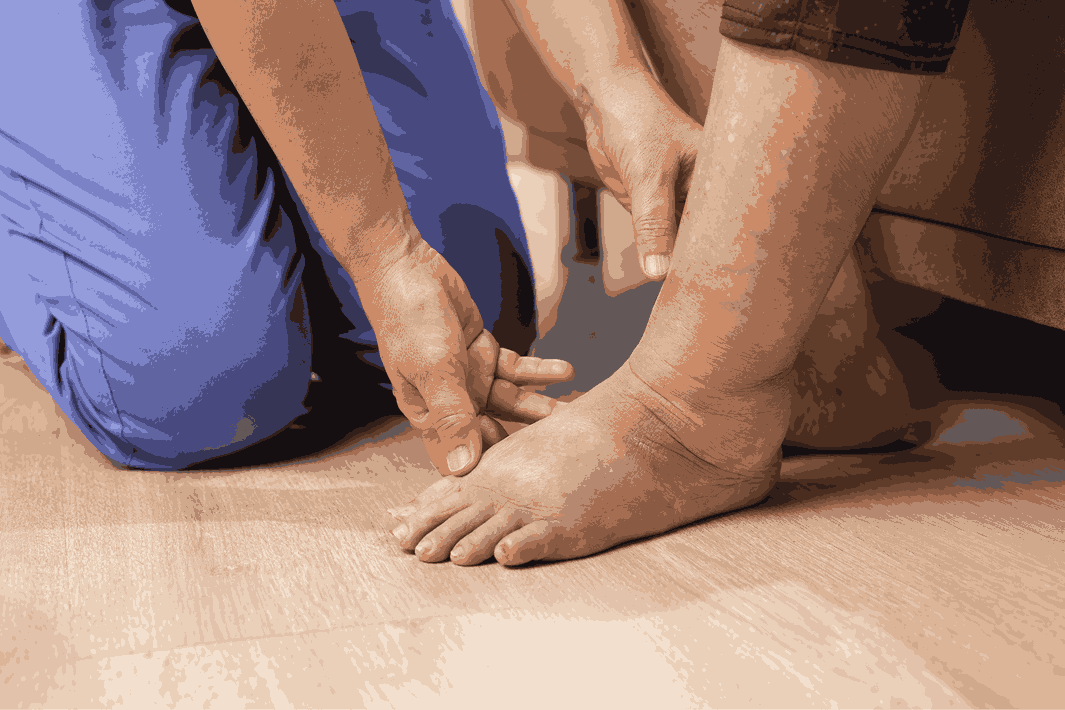
 Swelling: Usually in the arms or legs, but sometimes in the chest, back, or other areas.

Heaviness or Tightness: A feeling of pressure or fullness in the affected area.

Discomfort or Pain: The swollen area may feel tender or painful.

Skin Changes: The skin can become hard, thick, or start to feel tight. There may even be fluid leakage from the skin. 

Limited Mobility: The swelling can make it difficult to move the affected limb.

If you’re noticing any of these lymphedema symptoms and signs, it’s essential to get help from a specialist who can offer the best lymphedema treatment options.

What Causes Lymphedema?

Lymphedema can develop for a variety of reasons. Sometimes itโ€™s a condition you’re born with (known as primary lymphedema), but more often, it’s caused by damage to the lymphatic system from surgery, infection, or radiation (known as secondary lymphedema). Cancer treatments, in particular, can increase the risk of developing lymphedema. Untreated venous insufficiency can lead to serious complications, including the development of a combined venous and lymphatic disorder. When venous insufficiency progresses, it can affect the lymphatic system, causing swelling and fluid buildup similar to lymphedema symptoms and signs. This combined disorder is typically treated conservatively in much the same way as lymphedema.

Lymphedema Treatment Options

While there isnโ€™t a cure for lymphedema, there are many lymphedema treatment options that can help you manage the condition and reduce symptoms. At Lymphatic Therapy Services, Linda Anne Kahn and her expert team specialize in providing personalized care and effective treatments to improve your quality of life. Here are some of the top lymphedema treatment options we offer:

Manual Lymphatic Drainage (MLD): This gentle massage technique helps move fluid away from swollen areas, reducing pressure and discomfort.

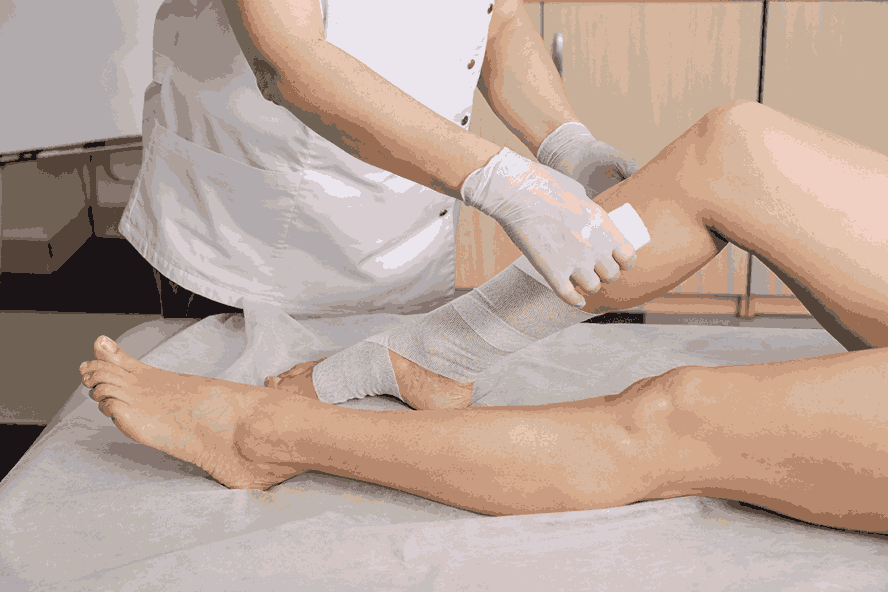
Compression Therapy: Specially designed garments or bandages are used to prevent fluid buildup and control swelling.

Remedial Exercises: These movements are designed to improve circulation and encourage lymph flow.

Skin Care: Keeping the skin clean and moisturized helps prevent infections, which are more common with lymphedema.

Integrative Approaches: Linda also incorporates clinical aromatherapy, nutrition, lymphatic cupping, laser, and other natural remedies into her care plans.

By combining these effective lymphedema treatment options, our team at Lymphatic Therapy Services creates a comprehensive plan tailored to your needs, ensuring the best results.

Why Trust Lymphatic Therapy Services for Lymphedema Care?

Linda Anne Kahn and her team at Lymphatic Therapy Services are true experts when it comes to lymphedema management. With over 40 years of experience, Linda Anne is renowned for her integrative and highly personalized approach. She not only addresses the lymphedema symptoms and signs but also provides ongoing care that focuses on long-term health and wellness.

From customized manual lymphatic drainage techniques to advanced skincare solutions, we offer a full range of lymphedema treatment options that go beyond the basics. You can trust Linda Anne and her team to give you the tools and treatments you need to live more comfortably and confidently.

If you or someone you know is experiencing lymphedema symptoms and signs, donโ€™t wait. Get in touch with us today to learn more about our lymphedema treatment options and start your journey to better lymphatic health!

Aromatherapy & Essential Oils to Support the Lymphatic System

Aromatherapy & Essential Oils to Support the Lymphatic System

Aromatherapy is an adjunct therapy where essential oils derived from plants are used. Essential oils exhibit a variety of effects on physical, emotional, and spiritual bodies. 

Essential oils can greatly benefit lymphatic health, reduce swelling, and assist with detoxification when used with lymphatic massage.

Essential Oils For The Lymphatic System

Certain essential oils contain lymph-stimulating and anti-inflammatory attributes. They decrease tissue swelling and promote the overall well-being of the lymph system. 

This article will highlight some of the very best essential oils used to guarantee lymph system well-being.

Angelica root (Angelica archangel)

Angelica oil also contains furocoumarinarchangelicas, which are highly stimulating to nerves and are used to relieve nerve tension. Angelica root also has phototoxic activity and must be used cautiously if sun exposure is anticipated.

Struggling with swelling, fatigue, or post-surgery recovery?

Book your personalized lymphatic drainage session today and experience natural, therapeutic healing that restores balance and promotes long-term wellness.

Book an Appointment

Angelica root oil has been used for centuries to assist with lymphatic function and specifically to cleanse the body after sickness.

Angelica roots have a calming effect on the physical body and reduce water retention. Because of this, angelica root makes a great addition to your lymphatic massage routine.

Bay laurel (Laurus Nobilis)

Bay Laurel has immune system-supportive and lymph-balancing effects. The oil also plays a role in stimulating lymphocyte production, cells that are vital to the immune system.

Bay laurel also treats swollen glands and lymphatic congestion and is beneficial for colds, influenza, and viral infections.

Bay laurel massage of lymph nodes helps with lymphatic drainage and immune system stimulation.

Cypress (Cupressus Sempervirens)

Cypress is another lymph-supportive essential oil with high monoterpenes, predominantly alpha-pinene. It works to decongest the circulatory and lymphatic systems.

Cypress oil works very well to reduce water retention, cellulite, and edema, making it very useful for those who experience swelling in their arms and legs.

Cypress also has the secondary effect of improving blood and lymph circulation. The oil keeps the energy of Qi circulating the body, giving overall vitality.

Cypress oil is an excellent tool to stimulate healthy lymphatic flow when used with aromatherapy or lymphatic massage.

Juniper Berry (Juniperus Commun)

Juniper Berry oil is an oil used to cleanse and detoxify, supporting kidney and nerve function. Juniper Berry supports lymph flow and blood circulation due to its alpha-pinene.

The oil has natural diuretic properties and helps in eliminating toxins and excess fluids from the body. Juniper Berry helps to strengthen lymphatic function and enhance the body’s natural cleansing ability

Grapefruit (Citrus Paradisi)

The Grapefruit oil possesses diuretic, cleansing, and lymph-stimulating action. The oil decongests water, and as such, it plays a very vital role in cellulite treatment.

Grapefruit oil also contains a mood-boosting property, and as such, it’s a wonderful addition to your aromatherapy practice.

The high concentration of limonene in Grapefruit essential oil aids in detoxification as Grapefruit essential oil also has a mood-boosting effect and increases the sense of well-being. The exhilarating, refreshing scent makes it a prime candidate in many lymphatic health essential oil blends.well as lymphatic flow.

Lemon (Citrus-Lime)

Lemon essential oil is another wonderful choice to aid lymphatic function. The lemon oil promotes leukocyte production as it contains very high concentrations of D-limonene and alpha-pinene.

Lemon oil acts as a natural detox and helps lymphatic drainage. The light, refreshing aroma also helps with mood uplift as well as mental clarity.

Sweet Orange (Citrus Sinensis)

Sweet Orange essential oil possesses uplifting as well as soothing characteristics. The essential oil isn’t abrasive on skin when utilized properly on sensitive skin.

Sweet Orange oil is an excellent choice for anyone who prefers to stimulate the lymphatic system with a mild, calming oil.

Blend of Lymphatic Massage and Aromatherapy

Together, lymphatic massage and aromatherapy enhance the therapeutic benefit of each modality.

The gentle, repetitive lymphatic strokes stimulate the lymphatic fluid flow gently, and the essential oils facilitate the detoxification and anti-inflammatory process.

The oils are taken in by the skin and into the bloodstream, where they provide additional assistance to the lymphatic and immune systems.

Aromatherapy San Diego enjoys popularity with people fond of alternative ways of well-being and health.

San Diego medical aromatherapists incorporate professional methods to combine individualized essential oils to treat specified medical ailments, including lymphatic well-being.

Varenya Essentials “Flow” Blend

Varenya Essentials has designed a unique blend of essential oils called “Flow” made up of Grapefruit, Cypress, Lemon, and Rosemary.

The blend is designed to stimulate the lymphatic system, assist with detoxification, and ease fluid build-up.

Varenya Flow is a very effective enhancement to each lymphatic therapy session and may be utilized in a diffuser or applied in daily massage.

Role of Aromatherapy Clinics in Lymphatic Health

Clinical aromatherapy refers to a clinical form of aromatherapy in which essential oils are used to treat certain medical conditions.

San Diego aromatherapists who practice clinical aromatherapy can help you develop individualized blends that enhance your lymphatic system and general health.

Having clinical aromatherapy as a practitioner allows you to achieve the rewards of targeted assistance to your immune system, lymphatic system, and body cleansing.

Essential oils are a subtle yet natural way of promoting self-wellbeing. When used with lymphatic massaging, they are also a deeply relaxing treat.

If you are looking to experience professional aromatherapy in San Diego, we provide lymphatic massage and clinical aromatherapy to assist you in achieving your state of well-being objectives. Contact us today to schedule a consultation and get on track towards enhanced lymphatic well-being.

Top 10 Foods to Boost Your Lymphatic System

lymphatic health

Your lymphatic system is your body’s unsung hero, tirelessly working behind the scenes to detoxify, regulate fluids, and bolster your immune defenses. A well-functioning lymphatic system is crucial for overall health, as it removes waste, excess fluids, and toxins from the body. Want to supercharge your lymphatic health? Dive into the best diet for the lymphatic system! Below, we highlight the top 10 foods for lymph drainage that can enhance your vitality and well-being.

1. Leafy Greens: Nature’s Detoxifiers

Start your journey with vibrant leafy greens like spinach, kale, and Swiss chard. These powerhouses are loaded with nutrients and fiber, and they boast chlorophyll, which is known for its detoxifying properties. The high water content in these greens helps hydrate your body, promoting the flow of lymphatic fluid. Incorporating leafy greens into your meals is a delightful way to enhance your diet and support your lymphatic system.

2. Berries: Tiny Powerhouses of Nutrition

 lymphatic therapist

Berries are not only delicious but also packed with antioxidants and polyphenols. Blueberries, strawberries, and raspberries can significantly reduce inflammation and oxidative stress, benefiting your lymphatic health. By adding a colorful medley of berries to your breakfast or snacks, youโ€™re tapping into one of the best foods for lymph drainage and supporting your bodyโ€™s natural detoxification processes.

Struggling with swelling, fatigue, or post-surgery recovery?

Book your personalized lymphatic drainage session today and experience natural, therapeutic healing that restores balance and promotes long-term wellness.

Book an Appointment

3. Citrus Fruits: Zesty Immune Boosters

Brighten your plate with citrus fruits like oranges, grapefruits, and lemons. Rich in vitamin C and bioflavonoids, these fruits do wonders for your immune system and enhance circulationโ€”key components for a healthy lymphatic system. Plus, the acidity in citrus helps break down toxins. Enjoy a refreshing citrus salad or a morning glass of lemon water for a zesty start to your day!

4. Cruciferous Vegetables: Detox Champions

 food for lymphatic health

Broccoli, cauliflower, and Brussels sprouts are your allies in detoxification. These cruciferous vegetables contain sulfur compounds that support liver function and promote healthy digestion. High in fiber, they help prevent constipation, a common issue linked to lymphatic congestion. Adding these veggies to your diet ensures you’re well on your way to maintaining a healthy lymphatic system.

5. Garlic: A Flavorful Superfood

Garlic is more than just a flavorful seasoning; it’s a potent food for lymphatic health! Known for its allicin content, garlic has anti-inflammatory and antimicrobial properties that support detoxification, enhance circulation, and boost immunity. Sprinkle fresh garlic on your dishes for a delicious and health-promoting addition to your meals.

6. Beets: Vibrant Helpers for Detoxification

Looking for a colorful addition to your plate? Beets are not only visually appealing but also packed with antioxidants and nitrates that promote blood flow and lymphatic drainage. These earthy roots reduce inflammation and support liver function, making them a must-have in your quest for the best foods for lymph drainage. Roast them, juice them, or toss them in salads for a nutrient boost.

7. Avocado: Creamy Nutrition Bombs

Avocados are rich in healthy fats, fiber, and antioxidants. They contain polyphenols that reduce inflammation and support lymphatic health. The monounsaturated fats in avocados promote cardiovascular health and aid in the absorption of fat-soluble vitamins. Mash them on toast, blend them into smoothies, or add slices to your salads for a creamy, nutritious treat.

8. Red Foods for Inflammation: Nature’s Anti-Inflammatories

Embrace red foods like tomatoes, red bell peppers, and cherries, which are loaded with lycopene and anthocyanins. These compounds are known for their strong anti-inflammatory properties, helping reduce swelling and promote healthy circulation. Incorporating these vibrant foods into your diet can enhance your lymphatic health and make your meals more exciting.

9. Nuts and Seeds: Crunchy Nutritional Allies

foods for lymph drainage

Nuts and seedsโ€”think almonds, walnuts, and flaxseedsโ€”are excellent sources of omega-3 fatty acids, fiber, and protein. These nutrients help combat inflammation and support lymphatic health. The healthy fats found in nuts and seeds also aid in nutrient absorption and overall wellness. Snack on a handful or sprinkle them on your salads to give your lymphatic system a delicious boost.

10. Green Tea: A Sip of Health

Last but not least, green tea is a fantastic addition to your daily routine. Packed with catechinsโ€”powerful antioxidantsโ€”green tea improves lymphatic circulation and supports detoxification processes. Enjoy a warm cup in the morning or a refreshing iced version in the afternoon to stay hydrated while promoting lymphatic health.

Linda Anne Kahnโ€™s Insights on Lymphatic Health

When it comes to understanding lymphatic health, few are as qualified as Linda Anne Kahn. A certified lymphatic therapist, integrative health coach, and clinical aromatherapist, Linda brings over three decades of experience to the table. She co-authored the Lymphedema and Lipedema Nutrition Guide and contributed to the United States Standard of Care for Lipedema. As a lipedema patient herself, Linda deeply understands the importance of nutrition in supporting lymphatic health.

By embracing these nutrient-rich foods, you can significantly enhance your lymphatic system’s performance and overall well-being. As Linda advocates, adopting the best diet for lymphatic system health is vital for individuals facing lymphatic challenges, helping promote healing and vitality.

Conclusion

Boosting your lymphatic system is not solely about regular exercise and hydration; it begins with the foods you consume. Incorporating the top 10 foods mentioned above into your daily meals can set you on the path toward a healthier lymphatic system. By making these nutrient-dense foods staples in your diet, you can promote lymphatic drainage, reduce inflammation, and enhance your overall health.

Ready to embark on your journey to improved lymphatic health? Consider consulting with an expert like Linda Anne Kahn or a qualified healthcare professional. Together, you can develop a personalized nutrition plan tailored to your needs, ensuring you feel your best every day.

So, what are you waiting for? Start incorporating these fantastic foods into your diet and empower your lymphatic system today!

Get in Touch

    Your First Lymphatic Drainage Massage: Pre and Post-Surgery Tips for Success

    Lymphatic Drainage Massage

    If you’re preparing for surgery or have recently undergone a procedure, you might be wondering how lymphatic drainage massage can aid in your recovery. This gentle, therapeutic technique helps stimulate the lymphatic system, promoting healing and reducing swelling. In this blog, we will explore the benefits of pre and post-surgical lymphatic drainage massage and what you can expect during your first session.

    What is Lymphatic Drainage Massage?

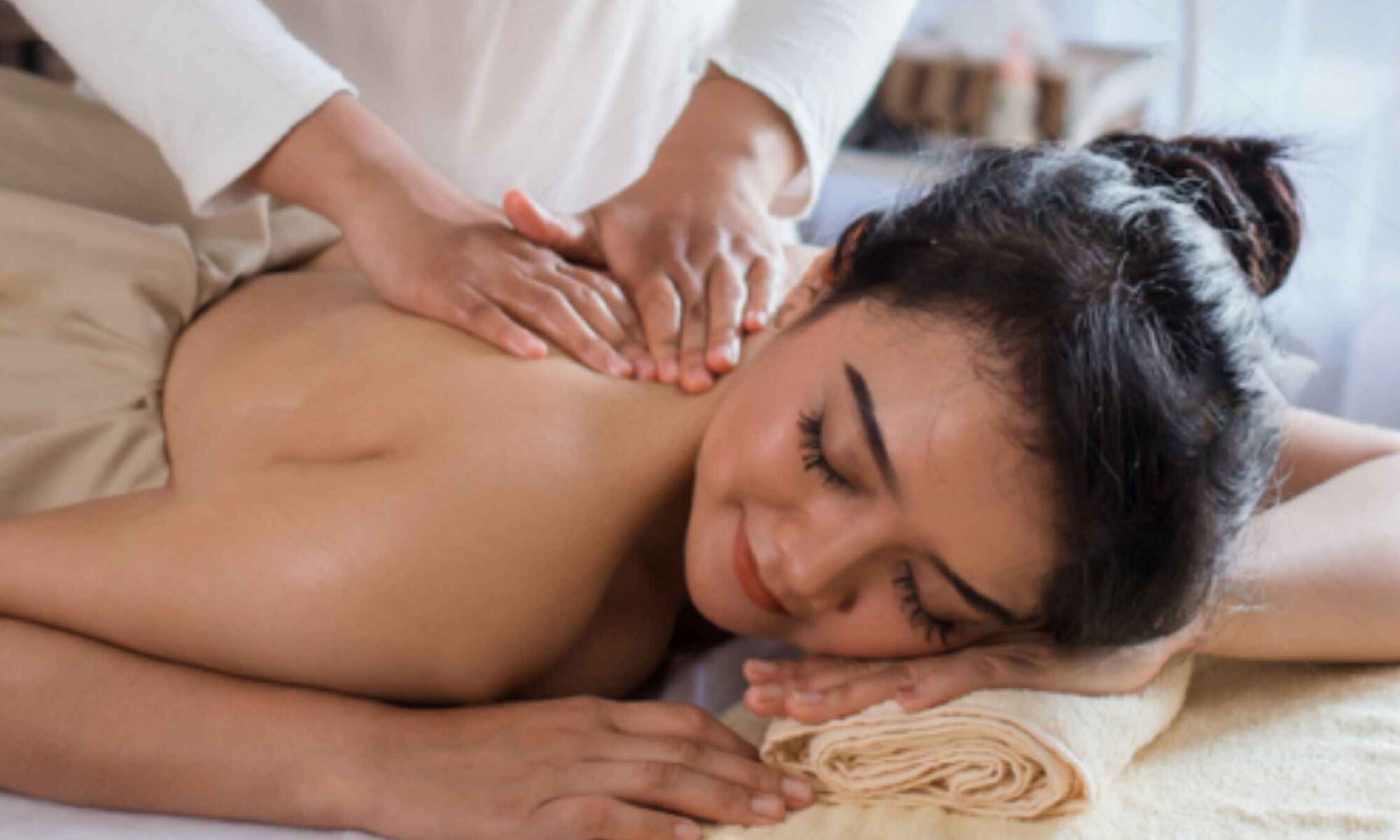
    Lymphatic drainage massage is a specialized technique designed to enhance lymphatic flow, which helps remove toxins and excess fluids from the body. By applying light pressure and gentle rhythmic movements, this massage encourages the lymphatic system to function optimally, leading to a range of health benefits.

    Struggling with swelling, fatigue, or post-surgery recovery?

    Book your personalized lymphatic drainage session today and experience natural, therapeutic healing that restores balance and promotes long-term wellness.

    Book an Appointment

    Benefits of Pre-Surgery Lymphatic Massage

    lymphatic therapist

    Reduces Swelling: A pre-surgery lymphatic massage can help reduce existing swelling and prepare the body for surgery. This can lead to a smoother surgical experience and potentially quicker recovery.

    Boosts Immunity: By stimulating lymphatic circulation, this massage can enhance your immune response, helping your body fight off potential infections that may arise post-surgery.

    Promotes Relaxation: The gentle nature of lymphatic massage helps alleviate anxiety and promotes relaxation, which is beneficial for anyone preparing for a surgical procedure.

    Benefits of Post-Surgery Lymphatic Massage

    Speeds Up Recovery: Post-surgery lymphatic massage helps reduce swelling and inflammation, promoting faster healing. By improving circulation, it can also help deliver nutrients and oxygen to the surgical site.

    Pain Relief: Many patients report decreased pain and discomfort after receiving post-surgery lymphatic drainage massage. This can be attributed to reduced swelling and improved circulation.

    Scarring Prevention: Gentle manipulation of the tissue can help minimize the appearance of scars, promoting a speedier healing process.

    Reduce risk of fibrosis: Lymphatic massage moves fluids and reduces inflammation and thus reduces the risk of fibrosis (hardened tissue) forming 

    Detoxification: After surgery, the body may have accumulated toxins and waste products. Lymphatic massage assists in flushing these out, aiding in your overall recovery.

    What to Expect During Your First Lymphatic Drainage Massage

    pre and post-surgical lymphatic drainage massage

    Consultation: Before your massage, your therapist will conduct a thorough consultation to understand your medical history, surgical procedure, and any specific concerns you may have.

    Treatment Environment: Expect a calm, soothing atmosphere. Your therapist will create a peaceful environment, often using soft lighting and calming music.

    Techniques Used: Your certified lymphatic therapist will use gentle, rhythmic strokes to stimulate lymphatic flow. Unlike traditional massage, lymphatic drainage focuses on light pressure and slow movements. If fibrosis or scar tissue has formed, your trained therapist will go deeper into the tissue to release the blockages. We also use cold laser or lymphatic cupping for scar tissue.

    Duration: A typical session lasts between 60 to 90 minutes, allowing ample time for thorough treatment.

    Pre and Post-Surgery Tips for Success

    Hydrate: Drink plenty of water before and after your pre and post-surgical lymphatic drainage massage. Hydration is crucial for optimal lymphatic function.

    Wear Comfortable Clothing: Opt for loose-fitting clothing to allow easy access to the areas that will be massaged.

    Communicate: Always communicate with your therapist about any discomfort or concerns during the session. Your comfort is paramount.

    Follow-up Sessions: For maximum benefits, consider a series of pre and post-surgery lymphatic drainage massage sessions. This ensures consistent support for your body during recovery.

    Conclusion

    Lymphatic drainage massage can be a valuable tool for anyone undergoing surgery, offering numerous benefits before and after the procedure. By incorporating pre and post-surgical lymphatic drainage massage into your recovery plan, you can enhance healing, reduce pain, and improve your overall well-being. If you’re considering this therapy, consult with a certified and experienced lymphatic therapist to develop a personalized plan that meets your needs. Embrace the journey to healing, and take advantage of the wonderful benefits lymphatic massage has to offer!

    What is a Lymphatic Drainage Massage and How Does It Work?

    lymphatic drainage massage

    In todayโ€™s fast-paced world, maintaining our health and well-being is more important than ever. One of the most effective methods for achieving this is through lymphatic drainage massage. But what exactly is it, how does it work, and what are its benefits? In this comprehensive guide, we will explore these questions to help you understand why lymphatic drainage therapy is a valuable addition to your wellness routine.

    Understanding the Lymphatic System

    Before diving into lymphatic drainage massage, it’s essential to understand the lymphatic system itself. This intricate network of vessels, nodes, and organs plays a crucial role in our bodyโ€™s immune function and fluid balance. The lymphatic system helps transport lymphโ€”a clear fluid that contains white blood cellsโ€”throughout the body. Its primary functions include:

    Draining Excess Fluid: The lymphatic system collects excess fluid from tissues and returns it to the bloodstream, preventing swelling and maintaining fluid balance.

    Immune Response: Lymph nodes filter lymph fluid, trapping harmful bacteria, viruses, and other foreign substances, which helps our body fight infections.

    Nutrient Absorption: The lymphatic system aids in absorbing fats and fat-soluble vitamins from the digestive tract.

    When the lymphatic system becomes sluggish or blocked, it can lead to various health issues, including swelling, inflammation, and weakened immune responses. This is where lymphatic drainage massage comes into play.

    What is Lymphatic Drainage Massage?

    lymphatic drainage therapy

    Lymphatic drainage massage is a specialized massage technique designed to stimulate the lymphatic system and promote the natural drainage of lymph. It involves gentle, rhythmic movements applied to the skin, targeting specific lymph nodes and vessels to enhance lymphatic flow. Unlike traditional massages that use deep pressure and vigorous techniques, lymphatic drainage massage relies on light pressure and a slow, methodical approach.

    How Does Lymphatic Drainage Massage Work?

    Stimulating Lymphatic Flow: The massage therapist uses gentle strokes to encourage the movement of lymph through the lymphatic vessels. This is particularly important in areas where lymph nodes are concentrated, such as the neck, armpits, and groin.

    Encouraging Detoxification: As lymphatic flow increases, toxins and waste products are effectively flushed from the body. This detoxification process is essential for overall health and well-being.

    Reducing Swelling: By promoting lymphatic drainage, the massage helps reduce excess fluid buildup in tissues, alleviating swelling and discomfort.

    Enhancing Circulation: Lymphatic drainage massage also encourages blood circulation, providing vital nutrients and oxygen to cells while removing waste products.

    The Process of Lymphatic Drainage Massage

    During a lymphatic drainage session, you can expect the following:

    Consultation: The therapist will begin by discussing your medical history, current health issues, and specific goals for the session. This helps tailor the treatment to your needs.

    Environment: The massage typically takes place in a calm, soothing environment, often with soft lighting and gentle music to promote relaxation.

    Technique: The therapist will use their hands to perform slow, rhythmic movements, focusing on areas with lymph nodes and following the natural pathways of lymphatic flow. The pressure is light, making the treatment comfortable and relaxing.

    Duration: A typical session lasts between 60 to 90 minutes, allowing ample time for thorough treatment.

    Benefits of Lymphatic Drainage Therapy

    Lymphatic Drainage

    The advantages of lymphatic drainage therapy are numerous and can significantly enhance your overall health and well-being. Here are some of the most notable benefits:

    Reduces Swelling: One of the primary benefits of lymphatic drainage massage is its ability to reduce swelling and fluid retention. This is particularly beneficial for individuals recovering from surgery, injury, or those with chronic conditions such as lymphedema.

    Boosts Immune Function: By promoting lymphatic flow, this massage technique helps stimulate the immune system, enhancing the bodyโ€™s ability to fight off infections and illnesses.

    Improves Circulation: The gentle movements involved in lymphatic drainage massage improve blood circulation, ensuring that vital nutrients and oxygen reach the body’s tissues while efficiently removing waste products.

    Alleviates Stress and Anxiety: The calming nature of lymphatic drainage massage helps reduce stress and anxiety levels. The gentle, rhythmic strokes can promote relaxation, making it an excellent addition to your self-care routine.

    Enhances Post-Surgical Recovery: For individuals recovering from surgery, lymphatic drainage massage can significantly reduce swelling, promote healing, and improve overall comfort.

    Helps with Detoxification: By stimulating the lymphatic system, this therapy aids in the removal of toxins from the body, supporting overall detoxification processes.

    Supports Skin Health: Lymphatic drainage massage can enhance skin tone and texture by promoting circulation and encouraging the elimination of waste products, giving your skin a healthy glow.

    Relieves Pain and Discomfort: Many clients report a reduction in pain and discomfort following lymphatic drainage sessions, making it an excellent complementary therapy for various conditions.

    Who Can Benefit from Lymphatic Drainage Massage?

    Lymphatic drainage massage is suitable for a wide range of individuals, including:

    Post-Surgical Patients: Those recovering from surgery can greatly benefit from this therapy, as it helps reduce swelling and promotes healing.

    Individuals with Lymphedema: For those diagnosed with lymphedema, regular lymphatic drainage massage is essential for managing symptoms and maintaining quality of life.

    Pregnant Women: Pregnant individuals often experience swelling, and lymphatic drainage massage can provide relief and promote relaxation.

    Athletes: Athletes can benefit from lymphatic drainage to help recover from intense workouts and reduce muscle soreness.

    Patients with Lipedema: Lymphatic massage helps to reduce pain and inflammation and alleviates stress.  

    Precautions and Considerations

    While lymphatic drainage massage is generally safe for most people, some individuals should consult a healthcare professional before receiving treatment. These may include:

    People with active infections or contagious diseases
    Individuals with blood clots or thrombosis
    Those with heart or kidney issues

    Conclusion

    Lymphatic drainage massage is a powerful therapeutic technique that can significantly enhance your health and well-being. By promoting lymphatic flow, reducing swelling, boosting immunity, and aiding in detoxification, this massage offers a holistic approach to self-care. Whether you’re recovering from surgery, dealing with chronic conditions, or simply looking to improve your overall health, incorporating lymphatic drainage therapy into your wellness routine can be a game-changer.

    If you’re considering a lymphatic drainage massage, consult a Certified Lymphatic Therapist  (CLT) who can guide you through the process and tailor the treatment to your specific needs. Embrace the journey to better health and experience the incredible benefits of this soothing and restorative therapy.

    Understanding the Difference Between Lymphedema and Lipedema

    lymphedema

    Lymphedema and lipedema are both conditions that involve swelling, but they have different causes, symptoms, and treatments. If you or a loved one is experiencing abnormal swelling, itโ€™s important to understand the key differences between these two conditions. In this blog, weโ€™ll break down the difference between lymphedema and lipedema to help you better understand the symptoms, risk factors, and treatment options for each.

    Lymphedema vs. Lipedema: A Quick Comparison

    Although lymphedema and lipedema can appear similar, they are distinct conditions with different underlying causes.

    Lymphedema  Lipedema

    underlying causes.

    LymphedemaLipedema
    A condition caused by a malfunctioning lymphatic system, leading to fluid retention and swelling in the affected area.A chronic disorder of fat distribution, primarily affecting the lower body, and often misdiagnosed as obesity.
    Caused by damage or blockage in the lymphatic system (primary or secondary).Caused by an abnormal buildup of fat cells, typically triggered by hormonal changes.
    Affects one or both limbs, often starting in the extremities.Affects both sides of the body symmetrically, typically the legs, hips, buttocks, and sometimes arms.
    Swelling can include the feet and hands.Swelling spares the feet and hands until advanced stages.
    Skin may become thickened and fibrotic over time.Skin is often soft but prone to bruising and tenderness.
    Can lead to infections, such as cellulitis, if untreated.Rarely associated with infections.

    What is Lymphedema?

    Lymphedema is a condition that occurs when the lymphatic system is compromised and cannot properly drain lymph fluid from the tissues. This can result in swelling, particularly in the arms or legs. Lymphedema is most commonly caused by surgery, radiation therapy, or trauma that damages the lymph nodes or vessels. It can also be congenital (primary lymphedema), where the lymphatic system is underdeveloped.

    Symptoms of Lymphedema:

    Swelling in the limbs, often starting in the hands or feet

    Heaviness or tightness in the affected limb

    Skin thickening (fibrosis)

    Recurrent infections, like cellulitis

    Reduced range of motion

    What is Lipedema?

    lipedema

    Lipedema is a chronic condition that primarily affects women and involves an abnormal accumulation of fat cells, usually in the legs, hips, and buttocks. The condition is often triggered by hormonal changes, such as during puberty, pregnancy, or menopause. Unlike lymphedema, lipedema does not result from a blockage in the lymphatic system, although it can progress to a combination of both lipedema and lymphedema (lipo-lymphedema) if left untreated.

    Symptoms of Lipedema:

    Symmetrical swelling in the lower body (both legs or arms)

    Disproportionate fat accumulation in the hips, thighs, and buttocks

    Painful, tender fat that bruises easily

    Fat that feels nodular or soft to the touch

    Swelling that worsens throughout the day but does not affect the feet or hands

    Lymphedema vs. Lipedema: Causes and Progression

    Lymphedema is caused by a blockage or failure in the lymphatic system, preventing lymph fluid from draining properly. This condition may develop immediately following trauma or surgery (such as lymph node removal), or it may appear months or years later.

    Lipedema is believed to be a genetic and hormonal disorder that causes an abnormal buildup of fat. It is often triggered by hormonal changes, and the swelling in lipedema is due to fatty tissue rather than fluid buildup.

    While lymphedema typically worsens over time if untreated, it is often manageable with early intervention, including lymphatic drainage massage and compression therapy. Lipedema, on the other hand, is progressive and may eventually lead to lymphedema if not managed effectively.

    Treatment Options for Lymphedema and Lipedema

    lymphedema vs lipedema

    Lymphedema Treatments:

    Manual Lymphatic Drainage (MLD): A gentle massage technique that encourages the movement of lymph fluid and helps reduce swelling.

    Compression Therapy: Bandages or garments that help prevent fluid buildup in the affected area.

    Exercise: Specific exercises that stimulate lymphatic flow.

    Skin Care: To prevent infections, itโ€™s essential to maintain good hygiene and moisturize the skin.

    Lipedema Treatments:

    Manual Lymphatic Drainage (MLD): MLD helps with the discomfort, pain, inflammation and edema in lipedema.

    Liposuction: In some cases, specialized liposuction techniques can reduce the fatty deposits in the legs, buttocks, and arms.

    Compression Garments: Wearing compression garments can help slow the progression of lipedema and provide pain relief.

    Diet and Exercise: While diet and exercise cannot eliminate lipedema fat, they can support overall health and prevent further complications.

    The Importance of Early Diagnosis and Treatment

    Both lymphedema and lipedema benefit from early diagnosis and intervention. If left untreated, lymphedema can lead to serious complications like skin infections, while untreated lipedema can worsen over time, leading to increased pain and mobility issues.

    At Lymphatic Therapy Services, our team is highly skilled, experienced, and caring. We treat each patient with an integrative approach, combining various therapies and techniques to ensure optimal outcomes. In addition, we provide education and coaching on self-care practices to empower you on your wellness journey. Our certified lymphatic therapists (CLTโ€™S) are trained to offer customized treatment plans, including Manual Lymph Drainage (MLD), compression therapy, and integrative approaches like aromatherapy to relieve pain and reduce inflammation, lymphatic cupping, laser and myofascial release.

    Conclusion

    Understanding the difference between lymphedema and lipedema is crucial for proper treatment and management. While both conditions involve swelling and discomfort, they have different causes and require tailored therapeutic approaches. If you are struggling with swelling, pain, or fatigue, our team at Lymphatic Therapy Services can help you find the right treatment plan to manage your condition and improve your quality of life.

    How Lymphatic Therapy Can Improve Energy Levels and Reduce Pain

    lymphatic therapy

    The lymphatic system plays a crucial role in maintaining your bodyโ€™s health by removing toxins, waste, and excess fluids. When this system is sluggish or impaired, it can lead to issues like fatigue, pain, and inflammation. Lymphatic therapy, specifically lymphatic massage, offers a natural and effective solution to support the lymphatic systemโ€™s function, helping to restore balance, boost energy levels, and reduce pain.

    What is Lymphatic Therapy?

    Lymphatic therapy is a specialized form of treatment designed to stimulate the flow of lymph fluid throughout the body. Manual Lymph Drainage (MLD), a key component of lymphatic therapy, involves gentle, rhythmic massage techniques that encourage the natural movement of lymph fluid, helping to clear blockages and reduce swelling.

    MLD is beneficial for a range of conditions, including:

    • Chronic fatigue
    • Lymphedema
    • Fibromyalgia
    • Post-surgical recovery
    • Lipedema
    • Autoimmune disorders

    In addition to its detoxifying effects, lymphatic therapy can significantly improve energy levels and reduce pain by eliminating toxins and inflammatory waste that can accumulate in the tissues, leaving you feeling lighter and revitalized.

    Struggling with swelling, fatigue, or post-surgery recovery?

    Book your personalized lymphatic drainage session today and experience natural, therapeutic healing that restores balance and promotes long-term wellness.

    Book an Appointment

    The Benefits of Lymphatic Massage

     lymphatic massage

    Lymphatic massage is a highly effective therapy for improving both physical and emotional well-being. Hereโ€™s how it helps:

    1. Boosts Energy Levels
      When the lymphatic system becomes congested, toxins and waste products build up in the body, leading to fatigue. Lymphatic massage helps clear these blockages, allowing your body to function more efficiently. By improving circulation and enhancing the delivery of oxygen and nutrients to your cells, lymphatic therapy helps restore vitality and energy.

    2. Reduces Pain and Inflammation
      Chronic pain and inflammation are often linked to poor lymphatic drainage. When lymph fluid stagnates, it can cause swelling and discomfort. Lymphatic massage works to reduce this buildup, alleviating pain and minimizing inflammation. This makes it a highly effective treatment for conditions like arthritis, fibromyalgia, and chronic muscle pain.

    3. Supports Post-Surgery Recovery
      For those recovering from surgery or liposuction, lymphatic massage accelerates the healing process by reducing swelling, bruising, and scar tissue formation. It promotes the removal of cellular waste and fluids from the body, speeding up recovery time and easing discomfort.

    How Aromatherapy Enhances Lymphatic Massage

    Incorporating aromatherapy into lymphatic massage can amplify the benefits, particularly when it comes to reducing inflammation and pain. Essential oils have potent anti-inflammatory, analgesic, and detoxifying properties that work synergistically with MLD to promote healing.

    Some essential oils that are especially effective for pain relief and inflammation include:

    • Lavender: Known for its calming and anti-inflammatory properties, lavender oil can help reduce muscle tension and pain.
    • Eucalyptus: This oil has powerful anti-inflammatory effects, making it ideal for reducing swelling and easing joint discomfort.
    • Peppermint: Its cooling sensation provides relief from aches and pains, while its anti-inflammatory properties reduce inflammation.
    • Rosemary: An excellent oil for boosting circulation and easing sore muscles and joints.

    At Lymphatic Therapy Services, we create custom essential oil blends to enhance your lymphatic massage experience. These blends are tailored to your specific needs, providing not only relief from pain and inflammation but also a sense of overall relaxation and well-being.

    Who Can Benefit from Lymphatic Therapy?

    Lymphatic therapy is ideal for anyone looking to:

    • Increase energy levels and combat fatigue
    • Reduce pain caused by inflammation or injury
    • Detoxify the body and support immune health
    • Improve post-surgical recovery, especially after cosmetic or liposuction procedures
    • Manage chronic conditions like lymphedema, lipedema, or fibromyalgia

    Take Charge of Your Health with Lymphatic Therapy

    If youโ€™re feeling sluggish, dealing with chronic pain, or recovering from surgery, lymphatic therapy can help restore your energy and ease discomfort. By combining the gentle power of lymphatic massage with the healing properties of aromatherapy, we offer a holistic approach to reducing inflammation, improving circulation, and revitalizing your health.

    At Lymphatic Therapy Services, we are dedicated to helping you feel your best. Contact us today to schedule your personalized lymphatic massage and experience the transformative benefits for yourself.

    5 Signs You Might Need Lymphatic Drainage Massage

    lymphatic drainage massage

    Lymphatic drainage massage (MLD) is a gentle and therapeutic technique designed to stimulate the lymphatic system, helping to flush out toxins, reduce swelling, and improve overall health. Many people are unaware of how their bodies might be signaling the need for this type of massage. In this blog, weโ€™ll explore five signs of lymphatic congestion and how lymphatic drainage massage can help.

    Understanding Lymphatic Congestion

    Before diving into the signs that you might need lymphatic drainage massage, itโ€™s important to understand what lymphatic congestion is. The lymphatic system plays a vital role in your bodyโ€™s immune response, fluid balance, and waste removal. When this system becomes congested, it can lead to various symptoms, often resulting in discomfort and health issues.

    Struggling with swelling, fatigue, or post-surgery recovery?

    Book your personalized lymphatic drainage session today and experience natural, therapeutic healing that restores balance and promotes long-term wellness.

    Book an Appointment

    Lymphatic congestion symptoms can include swelling, fatigue, and even frequent infections. Recognizing these signs early can help you take proactive steps toward maintaining your health.

    Sign 1: Swelling in the Extremities

    One of the most common signs of lymphatic congestion is noticeable swelling in your arms, legs, or other body parts. This swelling occurs when the lymph fluid fails to circulate properly, causing it to build up in the tissues.

    If you find that your ankles or wrists are frequently puffy or that you experience heaviness in your limbs, this could indicate that your lymphatic system is not functioning optimally. A lymphatic drainage massage can effectively reduce this swelling by promoting lymphatic flow and aiding in the removal of excess fluid.

    Sign 2: Chronic Fatigue

    Feeling constantly tired, even after a full nightโ€™s sleep, may be a sign of lymphatic congestion. When your lymphatic system is overloaded, it struggles to perform its primary functions, leading to a build-up of toxins in your body. This accumulation can sap your energy and leave you feeling drained.

    Lymphatic drainage massage can help alleviate chronic fatigue by enhancing your bodyโ€™s detoxification processes. By facilitating lymphatic flow, this massage technique can help you feel revitalized and more energetic.

    Sign 3: Frequent Infections or Illness

    If you find yourself getting sick more often than usual, it could be due to a sluggish lymphatic system. A well-functioning lymphatic system is essential for maintaining a robust immune response. When lymphatic congestion occurs, your body may struggle to fight off infections, leading to frequent colds, sinus issues, or other illnesses.

    Incorporating regular lymphatic drainage massage into your wellness routine can support your immune system by promoting lymphatic circulation. This can help reduce your risk of illness and enhance your overall health.

    Sign 4: Skin Issues

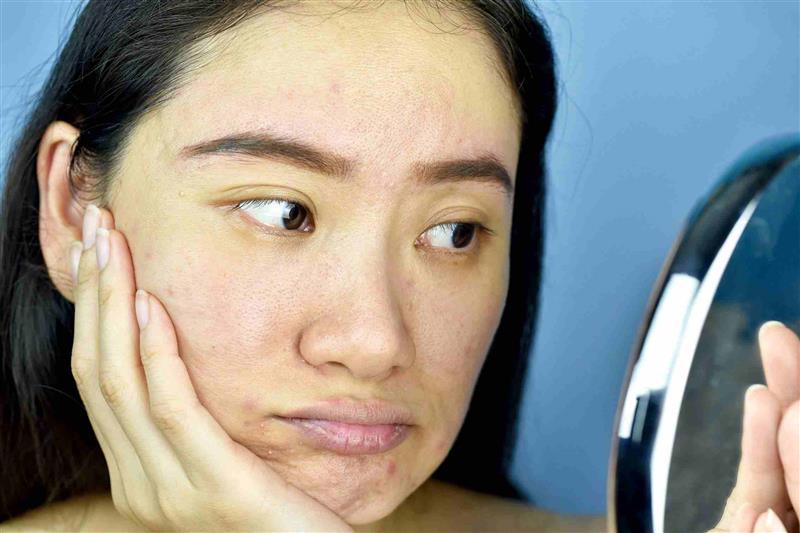
    The state of your skin can often reflect your internal health. Lymphatic congestion can lead to various skin issues, such as acne, eczema, or other inflammatory conditions. When your lymphatic system is not clearing waste and toxins effectively, it can manifest as breakouts or rashes.

    Receiving lymphatic drainage massage can promote better skin health by improving circulation and facilitating the elimination of toxins. The gentle techniques used in MLD can also enhance the absorption of skincare products, leading to more effective treatments.

    Sign 5: Recovery After Surgery or Injury

    If youโ€™ve recently undergone surgery or sustained an injury, you may experience swelling, bruising, or pain in the affected area. Lymphatic drainage massage can be particularly beneficial during the recovery process.

    By enhancing lymphatic flow, this massage technique can help reduce swelling and accelerate healing. It is especially effective for post-surgical patients, as it promotes a quicker return to normal function and reduces discomfort.

     lymphatic therapy service

    When to Seek Lymphatic Drainage Massage

    If you recognize any of these signs of lymphatic congestion in your body, it may be time to consider lymphatic drainage massage. Here are a few tips for finding the right treatment:

    Consult with a Professional: Always consult a healthcare provider or a Certified Lymphatic Therapist (CLT) before beginning any new therapy, especially if you have existing health conditions.

    Look for Certification: Ensure that your therapist is certified in lymphatic drainage massage. Proper training is essential for effective treatment and to avoid any adverse effects.

    Frequency of Treatments: Depending on your specific symptoms, your therapist may recommend a series of treatments to achieve optimal results. Regular sessions can help maintain lymphatic health and prevent future congestion.

    Conclusion

    Lymphatic drainage massage is a powerful tool for promoting overall wellness and addressing signs of lymphatic congestion. By recognizing the symptoms and understanding the benefits of MLD, you can take proactive steps toward improving your health. If youโ€™re experiencing any of the signs mentioned in this blog, consider scheduling a consultation with our skilled team at Lymphatic Therapy Services. Weโ€™re dedicated to providing compassionate and effective care to help you feel your best.