How an Integrative Health and Wellness Coach Helps You Transform Your Life

Integrative health coach guiding a client through assisted yoga stretching outdoors to improve balance, flexibility, and calm

An integrative health and wellness coach steps in when life feels off-balance, helping you reconnect the body, mind, and daily habits in a way that sticks. Itโ€™s not about rigid diets or endless workouts that burn you out fast. Itโ€™s practical, personalized guidance that digs into whatโ€™s really holding you back; whether thatโ€™s constant stress, poor sleep, emotional eating, or just feeling drained all the time. This helps build real change from there.

Struggling with swelling, fatigue, or post-surgery recovery?

Book your personalized lymphatic drainage session today and experience natural, therapeutic healing that restores balance and promotes long-term wellness.

Book an Appointment

A health and wellness coach brings proper training and real-life experience to the table, offering steady support as you start to gain energy, reduce stress, sleep better, and ultimately feel like you’re in control of your health. The right health coaching program transforms those big, overwhelming goals into manageable steps, enabling you to move from merely getting by each day to actually thriving with greater purpose and genuine energy.

What is Integrative Health and Wellness Coaching?

Integrative health and wellness coaching examines the whole picture, exploring how chronic stress affects digestion, how poor sleep impacts mood, how a lack of movement contributes to low motivation, and how these factors connect. It blends solid, evidence-based science with proven holistic approaches to create changes that donโ€™t fizzle out after a few weeks.

In a good health coaching program, your coach helps you uncover the actual root causes behind things like stubborn fatigue, weight struggles, or constant overwhelm. Then you layer in changes that fit your real life: smarter food choices that donโ€™t feel like punishment, quick stress tools you can pull out anywhere, movement that actually feels good instead of forced. Clients end up with the knowledge and confidence to keep making choices that support their health for years, not just during some short-term push.

This isnโ€™t about replacing your doctor; it complements the medical care you have by focusing on prevention, daily habits, and cultivating the kind of self-awareness that keeps you strong and balanced long after the coaching concludes.

The Role of a Certified Health and Wellness Coach

Health and wellness coach supporting a client during indoor cycling to build energy, reduce stress, and improve fitness

A certified health and wellness coach is part guide, part cheerleader, and part strategist. Theyโ€™ve put in the hours with adequate training in behavior change, foundational nutrition, stress physiology, and holistic methods, so everything they suggest is grounded, safe, and works. They listen without judging, help you set goals that fit your schedule and priorities.

Furthermore, your coach holds you accountable in a way that feels encouraging rather than nagging. When life gets messy, they help you adapt the plan instead of throwing in the towel. Small wins get proper celebration, setbacks are turned into lessons, and before you know it, lifeโ€™s momentum builds and carries you forward.

What Challenges Can an Integrative Health Coach Help With?

An integrative health and wellness coach addresses a broad range of everyday struggles by identifying underlying patterns and helping you replace them with beneficial habits. Here are some of the challenges your coach can help you with:

Stress, Fatigue, and Burnout

Coaches hand you straightforward tools, such as deep breathing routines, smart boundary setting, and simple recovery practices that recharge your energy reserves, keeping exhaustion from taking over.

Lifestyle and Habit Transformation

They walk you through swapping out draining routines for ones that lift you, such as consistent meal prep that saves time or incorporating movement into your day without it feeling like a chore.

Chronic Illness Support

Working hand-in-hand with your doctors, they add practical lifestyle tweaks that ease symptoms, make treatment stick better, and ensure your daily life feels manageable.

Emotional and Mental Well-Being

With strategies like guided journaling, reframing negative thought loops, or spotting emotional eating triggers, your coach helps you build real resilience, so anxiety, low moods, or overwhelm donโ€™t ruin your life. All these targeted shifts ripple out and improve every aspect of your life.

What to Expect from a Personalized Health Coaching Program

A personalized health coaching program unfolds in clear stages, keeping everything straightforward and moving forward.

Understanding Your Wellness Goals

It begins with a deep dive into your comprehensive health story, current roadblocks, what you truly value, and the kind of future you envision.

Creating a Customized Action Plan

From there, you and your coach map out specific, realistic steps ranked by what will move the needle most without overwhelming you.

Tracking Progress and Adjusting Strategies

Regular check-ins enable you to review what’s working, celebrate successes, address any issues, and adjust the plan to stay perfectly aligned as your needs evolve. This mix of structure and flexibility is what builds absolute confidence and keeps the progress coming.

Integrative Modalities Included in Coaching

Integrative coaching incorporates complementary practices that enhance results within a solid health coaching program.

Aromatherapy for Balance and Stress Relief

You learn exactly how to use aromatherapy essential oils day-to-day for calming nerves, improving sleep quality, and steadying mood swings.

Lymphatic Massage and Detox Support

Simple self-therapy lymphatic drainage techniques or guided referrals can help clear congestion, reduce bloating, and enhance your body’s ability to handle its natural detox processes more efficiently.

Nutrition and Wellness Guidance

You receive straightforward, science-backed nutrition and wellness advice on whole foods, staying hydrated, and eating mindfully in ways that align with how your own body responds. These additional tools provide deeper and more comprehensive support for healing and balance.

Conclusion

Embracing integrative health coaching opens the door to profound personal growth and renewed vitality. With expert guidance through a dedicated health coaching program, you gain the clarity, habits, and confidence needed for lasting transformation. These programs often integrate complementary modalities, such as aromatherapy, nutrition guidance, and Lymphatic drainage therapy, to support detoxification, reduce inflammation, and enhance circulation.

This holistic support addresses root causes, helping you achieve balanced energy, emotional resilience, and overall well-being. The journey fosters self-awareness and empowers you to maintain changes in the long term. It is best to invest in your health and connect with a qualified integrative health professional at Lymphatic Therapy Services. Book an appointment today and discover how personalized strategies can elevate your life to new levels of vibrancy and fulfillment.

FAQs

What Is The Difference Between A Certified Health And Wellness Coach And A Regular Life Coach?

A certified health and wellness coach has specialized training in health-specific areas like nutrition, exercise physiology, stress management, and behavior change science. They focus on physical, mental, and emotional well-being using evidence-based strategies. In contrast, a regular life coach typically addresses broader personal development, career goals, or relationships without the same depth of health expertise or certification in wellness modalities.

How Does An Integrative Health And Wellness Coach Support Long-Term Lifestyle Change?

An integrative health and wellness coach supports long-term change by exploring root causes of habits, creating personalized plans, and providing ongoing accountability. They incorporate holistic tools, teach self-regulation skills, and adapt strategies as you progress. This client-centered approach fosters intrinsic motivation, resilience, and sustainable routines that naturally endure beyond the coaching period, resulting in lasting transformation.

What Can I Expect During My First Health Coaching Session?

In your first health and wellness coaching session, expect a relaxed and in-depth discussion about your health history, current lifestyle, challenges, and your wellness vision. Your coach will actively listen, ask insightful questions, and begin identifying priorities. You’ll gain clarity on the coaching process and often leave with initial insights or small actionable steps to build momentum right away.

How Long Does A Typical Health Coaching Program Last?

A typical health coaching program lasts 3 to 12 months, with many clients starting with a 6-month commitment for meaningful results. The exact duration depends on the complexity of your goals, your starting point, and your preferred pace. Some extend coaching for maintenance, while others transition to occasional check-ins after achieving independence and confidence.

Clinical Aromatherapy: Therapeutic Support for Various Health Conditions

Essential oils used in clinical aromatherapy for stress relief, inflammation control, and holistic healing.

Clinical aromatherapy utilizes the therapeutic properties of essential oils derived from plants to promote healing and balance within the body. As a complementary therapy, it integrates seamlessly into holistic health practices, offering relief from a wide range of conditions, including chronic inflammation and emotional distress. By inhaling, applying topically, or using in massage, these potent extracts interact with the limbic system to reduce stress while providing anti-inflammatory and antimicrobial support.

Struggling with swelling, fatigue, or post-surgery recovery?

Book your personalized lymphatic drainage session today and experience natural, therapeutic healing that restores balance and promotes long-term wellness.

Book an Appointment

Backed by emerging research, clinical aromatherapy enhances conventional treatments, fostering not just symptom relief but deeper physiological harmony. Whether addressing lymphatic disorders or mental health challenges, clinical aromatherapy empowers individuals toward sustainable wellness.

How Essential Oils Are Used Clinically to Aid Recovery and Relief

Essential oils serve as versatile tools in clinical settings, where their bioactive compounds deliver targeted therapeutic effects.

Extraction and Safety Protocols

High-quality essential oils are steam-distilled or cold-pressed from plants to preserve potency, ensuring they meet clinical standards for purity. A certified clinical aromatherapist assesses a patient’s history, allergies, and contraindications before recommending blends, diluting oils in carrier mediums such as jojoba or fractionated coconut oil at concentrations of 1-3% to prevent irritation.

Inhalation and Diffusion Techniques

Inhalation delivers molecules directly to the bloodstream via the lungs, rapidly influencing mood and autonomic responses. Diffusers disperse micro-droplets for ambient use in hospitals or clinics, reducing anxiety by up to 40% in studies on preoperative patients. Oils like lavender calm the nervous system, while eucalyptus clears respiratory pathways.

Topical Application and Massage Integration

Diluted oils applied via gentle massage enhance absorption through the skin, promoting circulation and lymphatic drainage. This method is effective for pain relief, with peppermint oil reducing headache intensity by 20-30% in randomized trials. Combined with manual lymphatic massage techniques, it accelerates recovery from surgeries or injuries.

Evidence-Based Clinical Integration

Research supports the antimicrobial properties of essential oils, such as those found in garlic and oregano, against persistent infections. In oncology and palliative care, ginger and chamomile mitigate nausea, improving patient compliance. Under professional guidance, these applications minimize risks while maximizing recovery outcomes.

How Clinical Aromatherapy Supports Recovery from Various Health Issues

Clinical aromatherapy massage using essential oils to support pain relief, lymphatic drainage, and relaxation.

Lymphedema

Cypress, grapefruit, and geranium oils decongest lymphatic vessels and reduce lymphedema when used in massage. A certified clinical aromatherapist blends them to enhance manual drainage, significantly decreasing swelling, pain, and risk of infection while improving limb mobility and comfort. Aromatherapy benefits include faster healing and reduced reliance on compression alone.

Lipedema

Juniper, rosemary, and fennel oils reduce inflammation and bruising in painful adipose tissue. Applied with gentle lymphatic strokes by a certified clinical aromatherapist, they enhance circulation and alleviate tenderness. Aromatherapy benefits include improved mobility, reduced pain, and emotional uplift, in addition to standard lipedema management protocols.

Lyme Disease

Oregano, cinnamon bark, and clove oils demonstrate strong activity against persistent forms of Borrelia. Under the supervision of a certified clinical aromatherapist, they reduce joint pain, fatigue, and brain fog. Clinical aromatherapy benefits complement antibiotics, supporting longer-term recovery without adding to the pharmaceutical burden.

Stress, Anxiety, and Sleep Disorders

Lavender, bergamot, and frankincense lower cortisol and increase GABA activity. Inhalation or bedtime massage guided by a certified clinical aromatherapist dramatically reduces anxiety scores and improves sleep quality. Aromatherapy benefits include emotional resilience and fewer panic episodes in daily life.

Chronic Pain and Inflammation

Peppermint, ginger, and turmeric oils block pain signals and reduce inflammatory cytokines. Topical blends applied by a certified clinical aromatherapist provide lasting relief for arthritis, fibromyalgia, and migraines. Aromatherapy benefits include increased mobility, reduced flare-ups, and an improved quality of life, without side effects.

Health Benefits of Clinical Aromatherapy That Go Beyond Symptom Relief

Energizes the Body and Combats Fatigue

Lemon, peppermint, and rosemary stimulate mitochondrial function and adrenal recovery. Blends created by a certified clinical aromatherapist, when diffused or inhaled, have been shown to increase alertness by 20-30% in studies. Aromatherapy benefits deliver sustained natural energy without caffeine crashes or stimulant dependence.

Fosters Emotional Stability and Calms Stress

Frankincense and rose balance neurotransmitters, helping to lower cortisol levels. Regular use under the guidance of a certified clinical aromatherapist helps build emotional resilience against daily stressors. Clinical aromatherapy benefits include fewer mood swings, increased calmness, and an improved ability to handle life’s challenges with greater ease.

Sharpens Focus and Improves Mental Clarity

Rosemary and basil enhance acetylcholine activity and cerebral blood flow. Targeted blends, created by a certified clinical aromatherapist, enhance memory recall and concentration. Aromatherapy benefits support productivity, learning, and clear decision-making, even during high-pressure periods or instances of brain fog.

Encourages Restful Sleep and Deep Relaxation

Roman chamomile, vetiver, and cedarwood promote deeper, slow-wave sleep. Bedtime rituals created by a certified clinical aromatherapist can help reduce sleep latency and minimize nighttime waking. Aromatherapy benefits help restore your circadian rhythm, leaving you refreshed and restored each morning.

Boosts Immunity and Strengthens the Bodyโ€™s Defenses

Tea tree, ravensara, and oregano fortify the immune response and inhibit the growth of pathogens. Preventative protocols, as recommended by a certified clinical aromatherapist, can reduce the frequency and severity of illnesses. Aromatherapy benefits build year-round resilience and faster recovery when exposure occurs.

Conclusion

Clinical aromatherapy bridges ancient plant wisdom with modern, evidence-based care, offering safe and powerful support for complex health conditions. From reducing lymphatic swelling to restoring emotional balance, its effects are immediate and cumulative.

Collaborate with certified aromatherapy professionals at Lymphatic Therapy Services to unlock personalized blends that enhance healing and vitality. Ready for real relief? Book your appointment today and experience the difference therapeutic essential oils can make.

Clinical Aromatherapy for Various Health Conditions FAQs

How Can Clinical Aromatherapy Help Manage Lymphedema or Lymphatic Swelling?

Cypress and grapefruit oils decongest vessels and reduce fibrosis. A certified clinical aromatherapist creates targeted blends that enhance manual drainage, lowering swelling volume and discomfort while preventing infections and improving limb function. Aromatherapy benefits accelerate recovery.

Can Clinical Aromatherapy Support Recovery and Symptom Relief in Lyme Disease?

Yes. Oregano and clove target persistent bacteria while easing pain and fatigue. Guided by a certified clinical aromatherapist, these oils are used in conjunction with antibiotics to provide a safe complementary treatment. The benefits of aromatherapy include reduced inflammation, clearer thinking, and faster return to daily activities.

Is Aromatherapy Effective for Relieving Symptoms of Lipedema?

Absolutely. Rosemary and juniper reduce inflammation and pain in affected tissues. Applied correctly by a certified clinical aromatherapist, they improve circulation and mobility. Aromatherapy benefits include reduced tenderness, fewer bruises, and improved emotional well-being, in addition to the benefits of compression therapy.

Does Aromatherapy Help Manage Anxiety, Depression, or Emotional Stress?

Yes. Lavender and bergamot naturally lower cortisol and boost serotonin levels. Personalized blends from a certified clinical aromatherapist reduce panic and sadness episodes. Aromatherapy benefits promote lasting calm, improved sleep, and enhanced resilience to life’s pressures.

How Lymphatic Therapy Services Can Enhance Your Wellness and Transform Your Health

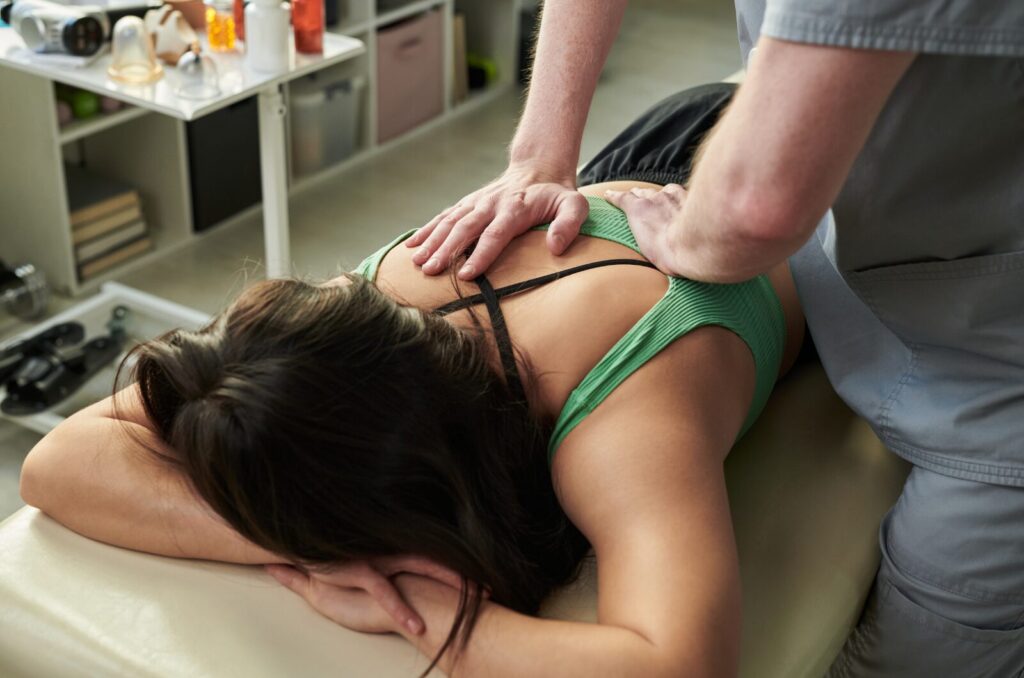
Manual lymphatic drainage massage on the back to improve lymph flow, reduce swelling, and support natural detox.

Lymphatic therapy services support the body’s natural ability to remove waste, balance fluids, and enhance immunity without the use of drugs or invasive procedures. Many people today feel tired, bloated, or swollen because their lymphatic system has become sluggish due to stress, surgery, a poor diet, or a lack of movement. Professional lymphatic treatments utilize gentle, proven techniques to restore healthy lymph flow, allowing clients to feel lighter, more energetic, and less puffy almost immediately.

Struggling with swelling, fatigue, or post-surgery recovery?

Book your personalized lymphatic drainage session today and experience natural, therapeutic healing that restores balance and promotes long-term wellness.

Book an Appointment

Sessions are relaxing, completely safe, and deliver visible results after the first visit. Regular care enhances detoxification, accelerates healing, and promotes overall wellness. San Diego residents are discovering how simple lymphatic support can transform daily comfort and long-term health.

What Is the Lymphatic System and Why Is It Essential for Your Health?

The lymphatic system is one of the body’s most important yet least-known networks. It runs parallel to blood vessels and consists of thin tubes, hundreds of lymph nodes, and organs like the spleen and thymus. Every day, it collects excess fluid that leaks from blood capillaries into tissues, filters that fluid through nodes to remove bacteria, viruses, dead cells, and toxins.

It then returns the clean fluid to the bloodstream near the heart. This constant drainage prevents swelling and keeps every cell bathed in the right amount of fluid. Additionally, the lymphatic system absorbs dietary fats from the intestines and transports immune cells throughout the body. Without proper function, swelling, infections, and fatigue quickly appear.

The Vital Roles of the Lymphatic System in Your Body

The lymphatic system performs several life-sustaining jobs around the clock. First, it removes excess fluid from tissues to prevent swelling in the arms, legs, face, and organs. Second, it acts as the body’s waste-removal service by carrying away toxins, dead cells, and bacteria. Third, it serves as the main highway for white blood cells and antibodies so that the immune system can respond quickly to threats.

Fourth, it absorbs fats and fat-soluble vitamins from food and delivers them into the blood. When lymph flow slows due to injury, surgery, or inactivity, problems can develop rapidly. Lymphatic therapy services restore normal flow using gentle, precise techniques that clear blockages and speed circulation. A certified lymphatic therapist knows the exact pathways and pressure needed to get results safely. Maintaining lymphatic health is crucial for effective detoxification, robust immunity, and overall well-being.

Different Types of Lymphatic Therapy Services

Gentle lymphatic therapy on head and neck to relax the body, boost immunity, and improve lymph circulation.

Manual Lymphatic Drainage (MLD)

Manual Lymphatic Drainage is the cornerstone of lymphatic therapy services. A certified lymphatic therapist uses light, rhythmic strokes to guide fluid toward healthy nodes. Sessions are relaxing and highly effective at reducing swelling and detoxifying the body naturally.

Compression Therapy

Compression therapy applies graduated pressure with bandages or pumps to move lymph from swollen areas. It is perfect for home maintenance and works best when combined with the professional lymphatic therapy services San Diego provides.

Infrared or Light-Based Lymphatic Treatments

Infrared or LED light warms tissues and opens lymphatic vessels, promoting better lymphatic flow. These comfortable treatments enhance manual drainage and are a popular add-on at modern lymphatic therapy services in San Diego wellness centers.

Post-Operative Lymphatic Care

Post-operative care combines early MLD, light compression, and education to speed healing after surgery. Starting within days of clearance, it dramatically reduces bruising and swelling. Skilled therapists deliver safe, surgeon-approved lymphatic therapy services that San Diego patients can rely on.

Top Health Benefits of Lymphatic Therapy Services You Should Know

Enhances Natural Detoxification

Lymphatic therapy services effectively clear toxins, excess hormones, and waste, allowing clients to feel less bloated and more energized. A qualified lymphatic therapist helps the body detox the way it was designed to do so every day.

Strengthens the Immune System

Faster lymph flow moves fighter cells exactly where theyโ€™re needed. Regular lymphatic therapy services in San Diego help residents stay healthy year-round and recover faster when illness strikes.

Reduces Swelling and Inflammation

Gentle drainage quickly removes trapped fluid from limbs and the face. Inflammation drops and comfort returns after just a few sessions with an experienced lymphatic therapist using proven methods.

Promotes Faster Recovery and Healing

Post-surgery patients who start lymphatic therapy services San Diego protocols early heal with less pain, smaller scars, and lower complication risk than those who wait.

Improves Skin Health and Appearance

Better circulation brings nutrients to skin cells and removes dulling waste. Many notice smoother texture, reduced cellulite, and a natural glow after regular lymphatic therapy services.

Who Can Benefit Most from Lymphatic Therapy Services?

Individuals Living with Lymphedema

People with lymphedema depend on regular sessions with a certified lymphatic therapist to control swelling, prevent infections, and maintain daily function through medically necessary lymphatic therapy services.

Those Managing Lipedema

Women with lipedema get pain relief and better mobility when professional lymphatic therapy services in San Diego, such as MLD and compression, become part of long-term care.

Post-Surgery and Post-Injury Recovery Patients

Anyone recovering from cosmetic or medical procedures heals faster with fewer issues when lymphatic therapy services start right after the surgeon’s clearance and continue through rehabilitation.

Individuals with Chronic Swelling or Water Retention

Desk workers, travelers, and individuals with hormone-sensitive conditions find lasting relief from puffy ankles and a puffy face through targeted lymphatic therapy sessions that help keep fluid moving properly.

People with Autoimmune or Inflammatory Conditions

Patients with fibromyalgia, arthritis, or chronic fatigue often see fewer flares and less pain when lymphatic therapy services in San Diego clinics optimize lymph flow regularly.

Conclusion

Lymphatic therapy services San Diego offers a safe, natural, and highly effective way to reduce swelling, boost energy, strengthen immunity, and speed recovery from surgery or illness. Whether you struggle with a chronic condition like lymphedema or want to feel lighter and healthier every day, these gentle treatments deliver real, lasting results.

Our certified professionals create personalized plans that perfectly fit your lifestyle and goals. Start experiencing the difference for yourself. Book your consultation today and take the first step toward better wellness tomorrow.

Lymphatic Therapy Services FAQs

What Types of Lymphatic Therapy Services Do You Offer?

We offer Manual Lymphatic Drainage (MLD), medical-grade compression therapy, infrared light treatments, and complete post-operative recovery packages. Every treatment plan is customized and supervised by a certified lymphatic therapist to ensure maximum safety and effectiveness for your specific needs.

How Do Your Lymphatic Therapy Services Work?

A trained lymphatic therapist uses very light, directional strokes and specialized tools to clear blocked pathways, redirect stagnant fluid toward the heart, and help the body naturally filter and eliminate waste, toxins, and excess water quickly and comfortably.

Are Your Lymphatic Therapy Services Suitable After Cosmetic or Medical Surgery?

Yes, most plastic surgeons and physicians offering lymphatic therapy services in San Diego strongly recommend starting gentle protocols within days of clearance. This significantly reduces bruising, swelling, pain, and the risk of long-term complications, enabling faster and smoother healing.

How Do I Know Which Lymphatic Therapy Service Is Right for Me?

During your first visit, a certified lymphatic therapist thoroughly reviews your medical history, measures current swelling, and discusses your symptoms and goals. They will design a personalized, evidence-based treatment plan using the safest and most effective combination of services tailored to your needs.

Why Your Body Needs Regular Detoxification and Cleansing for Optimal Health and Vitality

Woman holding green detox juice to support body cleansing, energy boost and natural detoxification

In todayโ€™s environment, we face an unprecedented toxic load from air pollution, processed foods, pesticides, heavy metals, plastics, and chronic stress. These compounds accumulate in tissues and organs faster than the body can naturally eliminate them. This leads to persistent fatigue, brain fog, hormonal imbalance, digestive disturbances, weakened immunity, and prematurely aged skin. Body detoxification, combined with a structured cleansing regimen, actively supports the liver, kidneys, and lymphatic system, enabling them to efficiently neutralize and remove harmful substances.

Struggling with swelling, fatigue, or post-surgery recovery?

Book your personalized lymphatic drainage session today and experience natural, therapeutic healing that restores balance and promotes long-term wellness.

Book an Appointment

Far from extreme juice fasts or colonics, proper detoxification is a gentle, evidence-based process that restores cellular function, reduces systemic inflammation, and reignites natural energy production. When practiced consistently, it delivers measurable improvements in physical vitality, mental clarity, emotional resilience, and overall longevity. This makes it one of the most powerful investments you can make in lifelong wellness.

The Science behind Your Bodyโ€™s Natural Detox and Cleansing Process

Your body operates a sophisticated, multi-phase detoxification system every second of every day, designed to protect cells from damage caused by environmental pollutants, metabolic byproducts, medications, and naturally occurring waste. This intricate network involves the liver, kidneys, digestive tract, skin, lungs, and the lymphatic system.

These systems work in precise coordination to identify harmful compounds, transform them into less toxic forms, and safely eliminate them. The liver leads with phase I (oxidation) and phase II (conjugation) reactions, while the kidneys filter blood and concentrate waste into urine. The lymphatic system acts as the body’s drainage and immune highway, collecting excess fluid and toxins from tissues before returning cleansed lymph to circulation.

When any part of this system becomes overwhelmed or sluggish, toxins accumulate, triggering inflammation and disease. Supporting these pathways through targeted lifestyle practices and professional body detoxification methods ensures efficient cleansing procedure function and long-term vitality.

The Crucial Role of the Lymphatic System in Detoxification

The lymphatic system functions as the bodyโ€™s primary drainage and immune surveillance network. It collects excess interstitial fluid, proteins, cellular debris, pathogens, and metabolic waste from every tissue and routes them to more than 600 lymph nodes for filtration and neutralization. This process is followed by final elimination via the bloodstream or bowels. Unlike the cardiovascular system, it lacks a central pump. As such, it depends entirely on skeletal muscle contraction, respiratory movement, gravitational positioning, and external manual stimulation to maintain flow.

Stagnation leads to toxic buildup, edema, chronic inflammation, and compromised immunity. Professional body detoxification through targeted cleansing procedures, particularly manual lymphatic drainage, can increase lymphatic transport capacity up to 20-fold. This enhances waste clearance, reduces inflammatory load, and supports every downstream elimination organ for optimal health.

The Transformative Benefits of Regular Detoxification and Cleansing

Healthy detox foods with fruits, vegetables, seeds and olive oil supporting natural body detox and wellness

Gentle, consistent detoxification delivers measurable improvements across physical, mental, and emotional well-being.

Increase Your Energy Levels and Combat Fatigue

By removing metabolic waste and reducing inflammation, regular body detoxification and cleansing procedures enable mitochondria to produce energy more efficiently, thereby eliminating chronic tiredness and restoring natural vitality that lasts throughout the day.

Support Healthy Digestion and Better Nutrient Absorption

Effective detox diets clear excess mucus, balance gut bacteria, and reduce inflammation in the digestive tract, leading to smoother peristalsis, reduced bloating, and significantly better absorption of essential vitamins and minerals.

Boost Your Immune System Naturally

A lower toxic load means immune cells can focus on real threats instead of internal cleanup. Regular body detoxification helps strengthen natural killer cells, antibodies, and lymphatic flow, providing robust, year-round immune protection.

Achieve Clearer, More Radiant Skin

When primary elimination organs function efficiently, fewer toxins are eliminated through the skin. A consistent cleansing procedure can dramatically reduce acne, eczema, dryness, and dullness, revealing a clear, glowing complexion from within.

Enhance Mental Focus and Emotional Well-being

Reduced inflammation and improved oxygenation from proper body detoxification support neurotransmitter balance, leading to sharper focus, better memory, stable moods, and an overall sense of calm and emotional resilience.

Effective Methods to Boost Your Bodyโ€™s Detox Process

These proven, gentle techniques work in synergy with your physiology to deliver safe, sustainable, and noticeable results.

Manual Lymphatic Drainage: Gentle Massage for Enhanced Detox

Manual lymphatic drainage (MLD) is a highly specialized, ultra-light pressure technique performed by certified therapists who follow the precise anatomical pathways of the lymphatic vessels. Research shows MLD can increase lymph flow up to 20 times above baseline, rapidly reducing edema, clearing cellular waste, and moving protein-rich fluid away from congested tissues.

This cleansing procedure also stimulates immune activity in lymph nodes and accelerates recovery after surgery or illness. Sessions are deeply relaxing, completely painless, and deliver immediate lightness and energyโ€”making professional MLD one of the most effective and pleasant ways to supercharge body detoxification without downtime or discomfort.

Nutrition Guidance to Support Your Bodyโ€™s Natural Cleansing

The liver performs over 500 functions, including two critical phases of detoxification that require specific nutrients to convert fat-soluble toxins into water-soluble compounds for excretion. Daily intake of cruciferous vegetables (such as broccoli sprouts, kale, and cauliflower), sulphur-rich foods (like garlic, onions, and eggs), antioxidants (like berries and green tea), and soluble fibre helps bind bile and escort toxins safely through the intestines.

Simultaneously reducing refined sugar, alcohol, and processed oils prevents a new toxic burden. When these evidence-based detox diets become consistent habits, they dramatically lighten the liver’s workload, avoid fatigue and brain fog, and make everyday body detoxification far more efficient and sustainable.

Aromatherapy Techniques for Natural Detox Support

Therapeutic-grade essential oils, such as lemon, grapefruit, juniper berry, cypress, and rosemary, contain potent terpenes and phenolic compounds. These components stimulate lymphatic circulation, upregulate liver cytochrome P450 enzymes, and exhibit strong anti-inflammatory effects. When diluted and applied with light lymphatic brushing strokes or diffused during dry brushing, they enhance drainage and cellular cleanup.

Inhalation simultaneously calms the parasympathetic nervous system, reducing stress-induced cortisol that would otherwise impair detoxification pathways. Used correctly as part of a routine, aromatherapy provides pleasant, powerful support to any cleansing procedure while amplifying overall body detoxification results safely and enjoyably at home.

Hydration and Herbal Remedies to Flush Out Toxins

Optimal hydrationโ€”approximately 2.5โ€“3.5 liters of filtered water daily, depending on activityโ€”keeps blood plasma volume adequate for kidney filtration and prevents reabsorption of toxins in the bowels. Adding clinically studied herbal infusions, such as dandelion root, nettle leaf, burdock, milk thistle, and red clover, gently supports liver function.

The practice also increases bile production and promotes mild diuresis without electrolyte imbalance. These time-tested, completely natural practices form the cornerstone of every successful body detoxification protocol and are essential components of any effective cleansing procedure for long-term vitality.

Movement and Gentle Exercise to Stimulate Detoxification

Because the lymphatic system has no intrinsic pump, it relies 100 % on external forces for circulation. Rebounding on a mini-trampoline, practicing yoga inversions and twists, engaging in brisk walking, swimming, and deep diaphragmatic breathing all create rhythmic muscle contractions. Combined with the pressure changes, lymph fluid is propelled toward the thoracic duct at several times the resting speed.

20โ€“30 minutes of targeted movement exercise every day multiplies lymph flow, enhances immune surveillance, reduces swelling, and accelerates the removal of metabolic waste. When combined with supportive detox diets, this simple practice delivers profound body detoxification benefits with almost no equipment or learning curve.

Conclusion

Regular body detoxification paired with a gentle, professional-guided cleansing procedure is one of the most transformative steps you can take toward vibrant, lasting health. From renewed energy and radiant skin to robust immunity and crystal-clear thinking, the rewards grow exponentially when you consistently honor your bodyโ€™s natural elimination systems.

Begin with foundational habits, such as drinking pure water, engaging in daily movement, and incorporating liver-loving foods, and elevate your results with regular manual lymphatic drainage sessions at Lymphatic Therapy Services. Ready to feel lighter, clearer, and truly alive again? Schedule your appointment today and experience the difference expert care makes.

Detoxification and Cleansing FAQs

How Does Manual Lymphatic Drainage (MLD) Help the Body Detox Naturally?

MLD accelerates lymph flow up to 20 times, facilitating the rapid and efficient movement of trapped toxins and waste toward elimination nodes. This gentle cleansing procedure enhances natural body detoxification without stress or harsh side effects.

How Does Aromatherapy Support Natural Detox Methods?

Specific essential oils stimulate circulation, liver function, and lymphatic drainage while reducing inflammation. When used correctly, they powerfully complement detox diets and strengthen overall body detoxification results safely.

How Often Should I Practice These Detox Methods for Noticeable Results?

Most clients notice significant improvement with 2โ€“3 professional MLD sessions per week initially, in addition to daily hydration and movement. An ongoing weekly cleansing procedure helps maintain optimal long-term body detoxification.

Can I Combine Multiple Detox Techniques Safely at Home?

Yes, hydration, gentle exercise, supportive detox diets, and aromatherapy work synergistically. Always start gradually and consult a professional before attempting intensive body detoxification or combining new cleansing procedures.

Lipedema

Lipedema treatment san diego

What is lipedema?

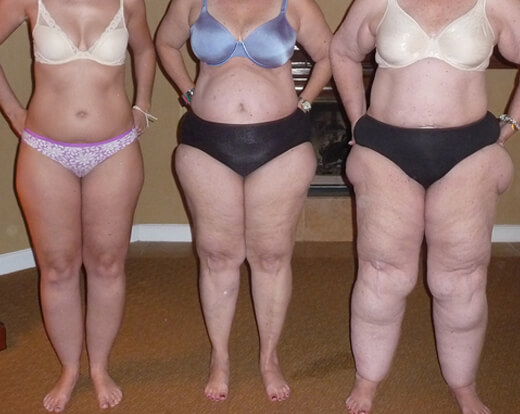
Lipedema is a genetically mediated disorder of fat deposition that occurs almost exclusively in ย females. There isย  a symmetrical accumulation of fat in the legs, buttocksย  and hipsย  that extends down to the ankles. In 70% of cases the swelling occurs in the arms and there is no foot involvement. A “cuff” can be found around the ankles and wrists. Patients often report a family history of “heavy legs”

Lipedema is often called “painful fat syndrome”.ย ย  The swelling that occurs is due to an excess deposition of fatty tissue and fluid accumulation in the subcutaneous tissue, ย leaky vessels andย  fragility of the blood vessels. It is painful to the touch

Lipedema is often misdiagnosed and can be mistaken for regular obesity or lymphedema.ย  The condition can progress to becomeย  Lymphedema.ย  Patients areย ย  accused of being simply “fat,” which is not the case and is so invalidating and frustrating to the patients.

Symptoms of lipedema

As the fat increases, the lymphatic vessels are unable to move the fluids out of the body and the swelling increases.ย  The symptoms include pain, bruising, swelling in the limbs and hypermobility of the joints, with reduced elasticity in the skin and knee.ย  Patients often have flat feet and knee mal-alignment or instability,

Lipedema can occur in puberty or often in the 30′ sย  and there is a slow progression of symptoms and weight gain, leading to immobility. Lipedema may develop or worsen during pregnancy or surgery

Understand Lymphedema: Symptoms, Causes, and Treatment Options

Close-up of manual lymphatic drainage therapy for arm lymphedema treatment

Lymphedema causes persistent swelling when the lymphatic system can’t drain fluid properly, often severely affecting the arms or legs. It turns simple tasks like buttoning a shirt or walking comfortably into real struggles. Lymphedema symptoms range from swollen limbs to tight, itchy skin. On the other hand, lymphedema causes include surgery, infection, or genetics.

Struggling with swelling, fatigue, or post-surgery recovery?

Book your personalized lymphatic drainage session today and experience natural, therapeutic healing that restores balance and promotes long-term wellness.

Book an Appointment

Many people manage lymphedema effectively once diagnosed, keeping swelling under control and staying active. If you’ve noticed one limb getting puffier or heavier than the other, this guide is for you. Understanding lymphedema early makes all the difference in controlling it and living without constant discomfort.

What is Lymphedema?

Lymphedema causes lymph fluid to build up in tissues because the lymphatic vessels or nodes are damaged or missing. Typically, the lymphatic system collects excess fluid, proteins, and waste from body tissues and returns them to the bloodstream.

When it’s disrupted, lymph fluid remains in place, causing swelling that feels heavy and tight. Over time, this backlog triggers lymphedema symptoms like restricted movement. These symptoms determine how and where it starts.

Common Symptoms of Lymphedema

Lymphedema symptoms develop gradually, but catching them early can make a significant difference.

Swelling and Fluid Accumulation

The hallmark is swelling in an arm, leg, or sometimes the trunk, face, or genitals. One side often swells more than the other does. Fluid buildup creates a full, heavy feeling and makes joints stiff, reducing the range of motion you can comfortably move.

Other Associated Symptoms

You may experience tingling, numbness, or a tight sensation around the limb. Pain or burning can flare up, especially after activity. The skin becomes thicker, drier, or develops folds, and the range of motion decreases as tissues harden.

Causes and Risk Factors of Lymphedema

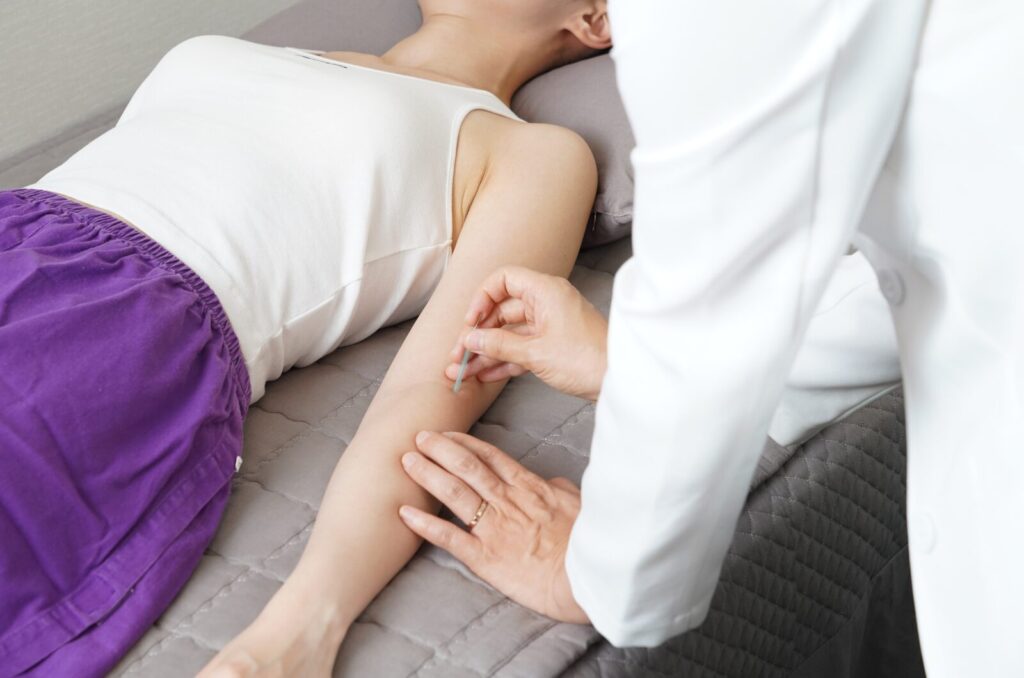
Therapist performing lymphatic therapy on a patientโ€™s arm to reduce lymphedema swelling

Lymphedema causes fall into two main categories, each affecting lymphatic drainage differently.

Primary Lymphedema

Primary lymphedema is caused by inherited genetic defects that interfere with the normal development or function of the lymphatic vessels. These abnormalities are present at birth, even when symptoms appear later in life. The condition may become noticeable in infancy, during puberty, or in early adulthood, depending on the specific genetic variation. A family history of lymphatic disorders is the main risk factor, as the underlying cause is genetic and not related to injury or illness.

Secondary Lymphedema

Secondary lymphedema develops when a previously normal lymphatic system is damaged. The most common causes include surgical removal of lymph nodes, radiation therapy that scars lymphatic vessels, severe or chronic infections, and physical trauma that crushes or blocks lymph pathways. Cancer treatment remains the leading cause worldwide. Risk factors for secondary lymphedema include multiple surgeries, radiation exposure, obesity, limited mobility, chronic venous disease, and repeated skin infections. These factors increase strain on the lymphatic system and raise the likelihood of fluid accumulation.

Both types of lymphedema lead to the same lymphedema symptoms once fluid starts backing up.

Different Types of Lymphedema

The two main types of lymphedema are primary and secondary, and distinguishing between them is crucial because it informs how you manage the condition on a day-to-day basis.

Primary Lymphedema

Primary lymphedema results from genetic or congenital problems, where you’re born with lymphatic vessels that are missing, underdeveloped, or don’t function properly. It can appear at birth (congenital), during puberty (often referred to as lymphedema praecox), or even after the age of 35 (lymphedema tarda).

Swelling typically begins in the feet or lower legs and gradually spreads upward. It might affect just one leg or both, and sometimes involves the arms or face. The onset is gradual, and early signs include a limb that feels heavier or slightly puffy without any obvious trigger.

Secondary Lymphedema

Secondary lymphedema develops when a condition or injury damages the lymphatic system later in life. Common causes include cancer treatments like lymph node removal or radiation, which scar or block pathways. Infections (especially repeated cellulitis or parasitic filariasis in certain regions), major trauma, or chronic venous insufficiency can also set it off.

Swelling appears in the area downstream from the damageโ€”for example, an arm after breast cancer surgery or a leg after pelvic node dissection. It often starts suddenly after the triggering event and can worsen if infections recur. Knowing the type of lymphedema you have helps tailor prevention and treatment right from the start.

Stages of Lymphedema and Progression

Lymphedema doesn’t hit all at once. Instead, it progresses in clear stages as the lymphatic system becomes increasingly overloaded and tissues undergo changes over time. Understanding these stages helps you see why early action is crucial and how lymphedema treatments become more intensive as the condition progresses. The goal is always to catch it as soon as possible and keep it from moving forward.

Stage 0: The Latent or Subclinical Stage

At this point, nothing looks swollen yet. The lymphatic system is already struggling to move fluid properly. However, you might only feel occasional heaviness or tightness in the limb, especially after a long day. There’s no visible puffiness, so most people don’t notice. If you know you’re at risk (like after cancer surgery), this is the best time to start protective steps, such as wearing compression sleeves, gentle exercise, and skin care to delay or even prevent apparent swelling from ever showing up.

Stage I: Pitting or Reversible Stage

Now swelling becomes noticeable, usually toward the end of the day. If you press your finger into the puffy area, it leaves a dent (pitting) that slowly fills back in. Raise the limb for a few hours or overnight, and the swelling often decreases wholly or significantly. Simple measures such as wearing fitted compression garments, elevation, and basic movements keep things well under control here. With consistent care, many people stay in Stage I for years without worsening.

Stage II: Spontaneously-Irreversible Stage

Tissues begin to harden (fibrosis sets in) due to long-term fluid and protein accumulation. The swelling no longer pits much and doesn’t entirely disappear with elevation alone. The limb feels firmer, skin thickens, and infections can become more common. This is when full lymphedema treatments, such as Complete Decongestive Therapy with manual lymphatic drainage and multi-layer bandaging for compression, become essential to shrink the limb, soften the tissues, and halt progression to the next stage.

Stage III: Lymphostatic Elephantiasis

This is the most advanced stage, which results in massive and permanent enlargement. The skin becomes thick, rough, and warty, with deep folds. There’s no pitting at all, repeated infections are common, and mobility suffers greatly. Treatment shifts focus to maintaining skin health, controlling infections, preventing further growth, and maximizing any remaining function. Getting here is almost irreversible, which is why therapists push hard to intervene earlier.

Effective Treatment Options for Lymphedema

The gold standard among lymphedema treatments remains conservative, focused on moving fluid and protecting skin.

Complex Decongestive Therapy (CDT)

CDT combines manual lymphatic drainage (a specialized massage technique), multi-layer compression bandaging, therapeutic exercises, and meticulous skin care. Done correctly, it shrinks limbs dramatically and teaches self-management.

Nutritional Counseling for Lymphedema

A low-salt, anti-inflammatory diet supports weight control and reduces fluid retention. A balanced diet, including plenty of water, fruits, vegetables, and lean proteins, is beneficial, while personalized nutrition plans address individual triggers.

Other Treatment Approaches

Aromatherapy can ease discomfort during sessions. Pneumatic compression pumps assist at home. A team approach, involving therapists, nutritionists, and doctors, delivers the best long-term results.

Conclusion

Living with lymphedema symptoms doesn’t mean giving up comfort or activity. From subtle heaviness to severe swelling, recognizing causesโ€”whether genetic or from treatmentโ€”lets you take charge early. Proven options like CDT, compression, movement, and smart nutrition keep swelling down and risks low.

At Lymphatic Therapy Services, our experienced team specializes in complete lymphedema care tailored to your stage and needs. Don’t wait for symptoms to worsen. Book an appointment today and start managing your lymphedema effectively.

FAQs

Can Lymphedema Be Cured, Or Is It A Lifelong Condition?

Lymphedema has no outright cure, especially once the tissues have become permanently altered. However, consistent lymphedema treatments, such as CDT and compression, can dramatically reduce lymphedema symptoms, restore function, and maintain stability for years, making it more manageable.

What Are The Most Effective Treatments For Reducing Lymphedema Swelling?

The most proven approach is Complex Decongestive Therapy, which includes manual lymphatic drainage, compression bandaging/garments, movement exercises, and skin care. When started early and maintained, these lymphedema treatments can shrink limbs noticeably and prevent flare-ups more effectively than any single method.

How Can Diet And Nutrition Help In Managing Lymphedema Symptoms?

A low-sodium, anti-inflammatory diet helps reduce fluid retention and supports a healthy weight, both of which can ease lymphedema symptoms. Consuming plenty of hydration, vegetables, fruits, and lean protein helps reduce inflammation, while avoiding processed foods can help keep swelling and discomfort at bay in the long term.

What Are The Risks Of Untreated Lymphedema, And How Can I Prevent Complications?

Untreated, it brings recurrent infections, permanent hardening, skin breakdown, and reduced mobility. Early compression, hygiene, and movement prevent most issues. Regular therapy halts progression, maintaining limb function and significantly reducing the risk of infection.

Dercums

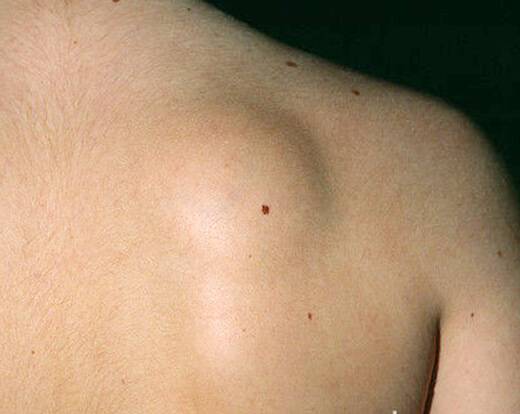
Dercums disease fatty tissue on back

Dercums disease -DD (adiposis dolorosa)

What is Dercums?

DD is a disorder of subcutaneous adipose (fatty) tissue, also known as painful fat syndrome. It involves the excess deposit and expansion of fat cells. Lipomas are common and angiolipomas (very vascular lipomas) are found in 30% of people with Dercumโ€™s Disease. DD is often misdiagnosed as ordinary obesity. โ€ข DD occurs in more women than men, at a 5:1 ratio, and in 40% of cases it is thought it is thought to be inherited (genetic). Age of onset is usually between 30 and 50 years of age. Currently, there are no imaging or diagnostic tests available to determine the presence of DD.


Types of Dercums

TYPE 1: Painful nodular fat around the joints.

TYPE 2: Painful nodular fat anywhere from head to toe (whole body). Often accompanied

by generalized obesity.

TYPE 3: Larger lipomas that may have a capsule and attached connective tissue; often

in the absence of obesity. Most men have Type 3

What are the symptoms of Dercums

  • Severe fatigue that impairs a personโ€™s daily activities of living and can be worsened by activities and exercise
  • Memory difficulties finding words, forming thoughts; โ€œBrain Fogโ€.
  • Weight gain may occur at onset; difficult to lose with lifestyle changes
  • Increased vasculature near lipomas; telangiectasias(small dilated blood vessel near the surface of the skin); cherry angiomas (round broken capillary on the skin); easy bruising; heavy or prolonged menstrual bleeding;
  • Lymphatic involvement: Swellings in fat; may change in size and are nonpitting, (do not indent when pressed)
  • Shortness of breath (dyspnea).
  • Gastrointestinal: Gastroesophageal reflux disease

(heartburn); irritable bowel symptoms,

constipation and/or diarrhea, bloating, abdominal

pain, and feeling full.

  • Joint and muscle pain and/or stiffness.

Rapid heartbeat; (tachycardia), palpitations (feeling your heart beat).

  • Migraines


Treatment options Dercums disease

Manual lymph drainage

Nutrition, diet management

Exercise – movement

Complementary care, aromatherapy

ย Dercums Treatment Services Available

Initial Consultation & Evaluation 60 minutes โ€“ $199

You will receive the support and caring to effectively maintain your results.

Understand Chronic Venous Insufficiency: Causes, Symptoms & Effective Treatment Options

Person sitting and touching swollen ankle with visible veins, showing early signs of chronic venous insufficiency

Chronic Venous Insufficiency occurs when your leg veins are unable to push blood back up to the heart as they should. Valves get damaged, blood backs up, pools in the lower legs, and pressure builds. This leads to swelling, aches, skin changes, and, in some cases, ulcers.

Struggling with swelling, fatigue, or post-surgery recovery?

Book your personalized lymphatic drainage session today and experience natural, therapeutic healing that restores balance and promotes long-term wellness.

Book an Appointment

It often follows a deep vein thrombosis, years of standing on the job, or simply the natural aging process. Many people live with CVI without realizing how much better they could feel. If your legs feel heavy by the end of the day or you notice bulging veins, this guide can help stop things from getting worse.

What is Chronic Venous Insufficiency?

Chronic Venous Insufficiency starts with faulty one-way valves in the leg veins. Typically, the valves prevent blood from moving downward against gravity. When they weaken, blood flows backward, pools, and creates high pressure in the veins.

That pressure forces fluid out into the tissues, causing swelling and inflammation. Over time, veins stretch and become varicose, while the surrounding skin and fat are damaged due to a lack of oxygen and nutrients. CVI also overloads the nearby lymphatic system, making it more challenging to clear swelling and setting the stage for more severe problems.

How CVI Affects the Lower Legs

In the lower legs and ankles, Chronic Venous Insufficiency causes a familiar, heavy, and tired feeling, especially after prolonged periods of standing or sitting. Ankles swell up, the skin turns darker or thicker from leaked blood pigments, and simple activities like walking longer distances start to hurt. If the pressure stays high, open sores become a real risk.

Chronic Venous Insufficiency Causes

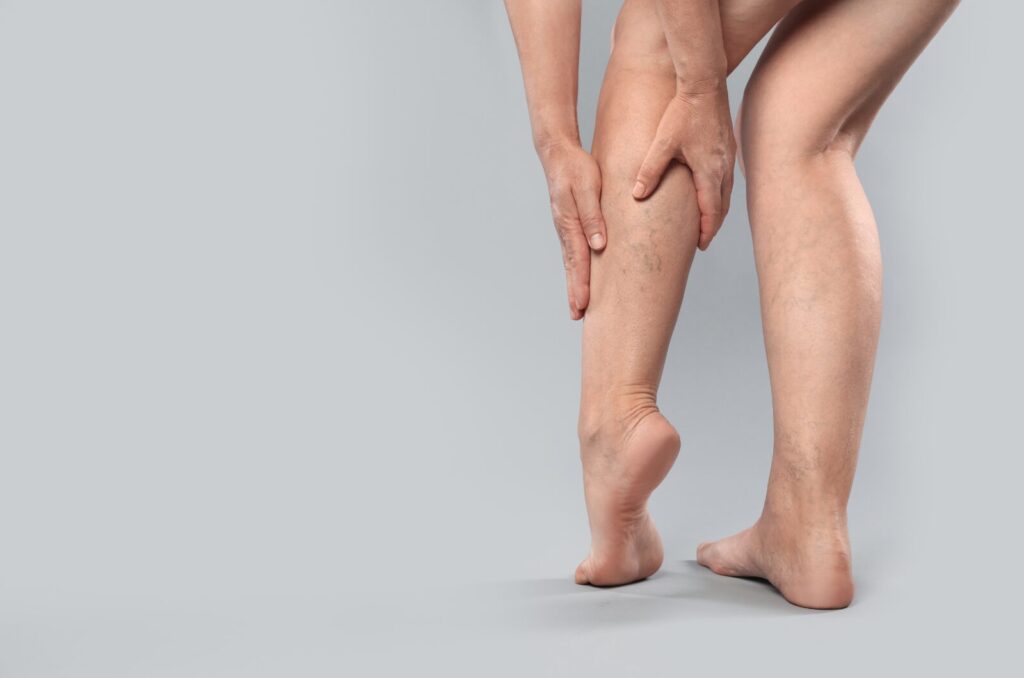
Person holding lower leg with visible vein changes, highlighting leg pain and circulation issues from CVI

The main Chronic Venous Insufficiency can be narrowed down to anything that damages the vein valves, either from birth defects or from damage later in life, often from a blood clot that scars the vein.

Daily habits pile on: jobs that keep you on your feet for hours, extra weight pressing down, or sitting too long without moving. Smoking weakens vessel walls, and repeated inflammation slowly breaks things down further.

Common Risk Factors

The biggest risks for Chronic Venous Insufficiency include being over 50, multiple pregnancies, family history of vein problems, and lack of regular movement. Tall people, smokers, and anyone carrying extra pounds face higher odds, too.

Early and Advanced Chronic Venous Disease Symptoms

Chronic Venous Disease Symptoms creep up gradually, starting mild and getting serious if ignored. Knowing the stages helps catch it early.

Step 1 โ€” Early Symptoms to Watch For

The first clues are swollen ankles that puff up by evening, legs feeling heavy or achy after activity, and quick fatigue. Spider veins appear, with some faint, brownish tint near the ankles.

Step 2 โ€” Progressing Symptoms

Next comes thicker skin, reddish-brown staining from blood leaking out, and that tight, itchy feeling. High pressure can cause fluid to seep through the skin, resulting in wet patches or crusty areas.

Step 3 โ€” Advanced and Complicated Symptoms

At its worst, constant inflammation hardens tissues, ulcers form and refuse to heal, and infections can easily set in. The lymphatic system becomes overwhelmed, leading to lymphedema or combined phlebo-lymphedema, which causes the legs to balloon even more. Catching these Chronic Venous Insufficiency warning signs early keeps most people from ever reaching this point.

How CVI and Lymphedema are Linked

Chronic Venous Insufficiency puts constant back-pressure on the veins, which spills over to the lymphatic vessels trying to clean up excess fluid. When the lymph system can’t keep up, you get secondary lymphedema on top of the venous swelling. This is called phlebo-lymphedema.

Without addressing the venous flow, swelling persists, the skin thickens more rapidly, and healing wounds become almost impossible to manage. Getting circulation moving again takes the load off the lymphatics and stops the downward spiral.

Diagnosing Chronic Venous Insufficiency

Diagnosing Chronic Venous Insufficiency begins with a simple office examination, which involves assessing your legs both standing and lying down, checking for swelling, color changes, or noticeable varicose veins. Other effective diagnosis methods include:

Clinical Evaluation

Your doctor will ask about symptoms, family history, and daily habits while inspecting skin texture and feeling for tender spots.

Medical Tests

The gold standard for diagnosis is duplex ultrasound, which uses painless sound waves to visualize blood flow in the wrong direction or blocked areas. Sometimes deeper imaging rules out other issues.

Importance of Early Diagnosis

Spotting CVI sooner makes treatment simpler and prevents irreversible damage, such as ulcers or permanent corneal thickening.

Chronic Venous Insufficiency Treatment Options

Chronic Venous Insufficiency Treatment centers on moving fluid out, protecting skin, and supporting better flow. A mix of approaches works best for most people.

Complex Decongestive Therapy (CDT)

Complete CDT therapy packages include manual drainage, bandaging, exercises, and skin care. This helps drop swelling fast.

Manual Lymph Drainage

Manual lymphatic drainage employs gentle, rhythmic strokes to gently guide trapped fluid toward the lymph nodes that are actively working.

Compression Bandaging and Garments

Short-stretch bandages or medical compression stockings provide steady pressure, which helps veins push blood upward.

Exercise and Movement Therapy

Simple calf pumps, walking programs, or ankle circles build natural vein support.

Nutrition and Diet Management

Cutting back on salt, eating anti-inflammatory foods, and maintaining a healthy weight all help ease the burden on veins.

Self-Care Strategies

Daily leg elevation, moisturizing, and avoiding prolonged periods of stillness help reduce flare-ups. These steps directly tackle Chronic Venous Insufficiency and give day-to-day relief.

Goals of Treatment and Long-Term Management

Chronic Venous Insufficiency Treatment is designed to help you return to your normal daily activities without experiencing constant leg trouble.

Reducing Swelling and Edema

Consistent compression therapy and drainage shrink the puffiness that makes shoes tight and legs tired.

Improving Skin Health and Preventing Wounds

Better circulation, combined with good skincare, helps prevent discoloration, dryness, and those hard-to-heal ulcers.

Increasing Mobility and Comfort

Stronger vein support means you can walk farther without aching or feeling heavy.

Reducing Pain, Tightness, and Discomfort

Targeted therapies quiet the throbbing, burning, or restless feelings that disrupt sleep and daily life. Sticking with habits long-term keeps these wins in place.

Conclusion

Chronic Venous Insufficiency can disrupt your comfort, starting with tired legs and potentially ending in stubborn swelling, skin damage, or ulcers that won’t heal. Knowing CVI causes, such as valve failure, standing jobs, or past clots, helps you spot risks early. Symptoms progress in clear stages, but proven treatments, such as compression, manual drainage, exercise, and lifestyle adjustments, can turn things around and prevent irreversible complications.

At Lymphatic Therapy Services, we specialize in combining these approaches to reduce swelling, promote skin healing, and restore easy movement. Don’t let leg heaviness become your norm. Contact us today for an evaluation and start feeling lighter on your feet again.

FAQs

What Are The First Signs of Chronic Venous Insufficiency?

The earliest signs of Chronic Venous Insufficiency include swollen ankles at the end of the day, a heavy or achy feeling in the legs after standing, and possibly visible spider veins. Nighttime cramps or restless legs can also occur, often easing when you elevate your feet.

What Causes Chronic Venous Insufficiency to Develop?

It mainly comes from damaged valve structures that let blood flow backward and pool. Common triggers include previous deep vein clots, long hours standing or sitting, extra weight, pregnancies, smoking, or family genetics, making veins weaker over time.

The Benefits of Manual Lymphatic Drainage for Post-Surgical Recovery

Manual lymphatic drainage massage after surgery to reduce swelling, bruising, and improve recovery

Post-surgery lymphatic drainage is the fastest and safest way to reduce swelling, bruising, and pain after any operation. Surgery can damage delicate lymph vessels, causing fluid and waste to accumulate in tissues. This leads to puffiness, hard lumps, and slow healing. Professional Manual Lymphatic Drainage (MLD) utilizes ultra-light, rhythmic strokes to redirect lymphatic fluid away from damaged areas and out of the body.

Struggling with swelling, fatigue, or post-surgery recovery?

Book your personalized lymphatic drainage session today and experience natural, therapeutic healing that restores balance and promotes long-term wellness.

Book an Appointment

Patients who start MLD within days of clearance see swelling drop dramatically; bruises fade in days instead of weeks, and discomfort eases naturally. Itโ€™s completely non-invasive, requires no drugs, and speeds recovery so you look and feel normal much sooner.

Why Post-Surgical Healing Requires Special Care and Support

Surgery is controlled trauma in which tissues are cut, blood vessels leak, and lymph pathways are severed. Your body floods the area with fluid to protect and repair, but the damaged lymphatic system canโ€™t drain it fast enough. The result is massive swelling, bruising, pressure on nerves (pain), and risk of fibrosis or seromas.

Post-surgery lymphatic drainage provides the overwhelmed system with immediate relief by manually moving fluid out of the affected area. Manual lymphatic drainage benefits include preventing complications and facilitating early tissue repair. Without this support, healing can take weeks, and results are often less effective and uneven.

Understanding the Basics of Manual Lymphatic Drainage (MLD)

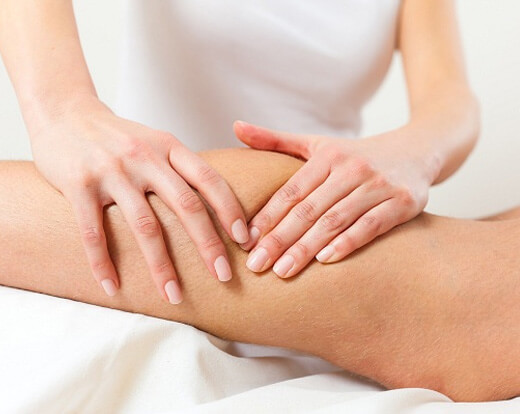
Post-surgery lymphatic drainage massage on leg to reduce swelling, fluid buildup, and speed healing

Manual Lymphatic Drainage is a specialized, feather-light technique developed specifically to stimulate lymph flow. Unlike regular massage, MLD employs precise, rhythmic, wave-like strokes with minimal pressure; no oil is used, and there is no deep tissue work or pain. The therapist follows precise anatomical pathways to direct fluid toward healthy nodes and away from the body. Sessions last 45โ€“90 minutes and feel deeply relaxing.

Why Manual Lymphatic Drainage Is Essential for Post-Surgical Recovery

After surgery, your lymphatic vessels are cut or crushed. As such, fluid- and protein-rich waste accumulates quickly. This is what causes the tight, heavy swelling everyone hates. Post-surgery lymphatic drainage bypasses the damaged routes and redirects fluid to working pathways. Within hours, the swelling drops, pressure on nerves eases, and pain decreases. One of the biggest manual lymphatic drainage benefits is preventing fibrosis; those hard, lumpy scars that form when protein sits too long.

The benefits of lymphatic drainage massage also include a lower risk of seromas, infection, irregular healing, and a much faster return to normal appearance and comfort. Starting early (often 24โ€“72 hours post-clearance) is the key to the smoothest, quickest recovery possible.

The Key Benefits of Manual Lymphatic Drainage for Post-Surgical Recovery

Reduces Post-Operative Swelling and Edema

Surgery floods tissues with liters of fluid that the damaged lymph system canโ€™t remove. Post-surgery lymphatic drainage, when performed manually, clears excess fluid, shrinking swollen areas by inches in just a few sessions. Patients after lipo, tummy tucks, or joint replacement see ankles, faces, or abdomens return to normal shape in days instead of weeks.

Manual lymphatic drainage benefits include eliminating the tight, heavy feeling that makes movement painful. Other benefits of lymphatic drainage massage are visible almost immediately, such as clothes fitting again, shoes going on easily, and finally recognizing yourself in the mirror without the puffy mask.

Minimizes Bruising and Inflammation

Blood and fluid trapped under the skin create dark, painful bruises that can last weeks. Post-surgery lymphatic drainage gently clears away the debris. Hence, the bruises fade from purple to yellow in a matter of days, rather than weeks. The inflammation calms because waste is removed, rather than accumulating and irritating the tissue.

Manual lymphatic drainage benefits mean that many patients require significantly less pain medication and feel more comfortable much sooner. The benefits of lymphatic drainage massage are dramatic after cosmetic procedures, where every day of faster bruise clearance shows in photos.

Prevents Fluid Build-Up and Promotes Faster Healing

Seromas, hematomas, and hard fibrosis occur when fluid and protein get trapped. Post-surgery lymphatic drainage keeps pathways open, preventing fluid from pooling. This reduces the risk of complications and facilitates faster healing through the production of collagen and tissue remodeling.

Manual lymphatic drainage benefits include smoother, softer scars and better final contours. The benefits of lymphatic drainage massage are proven after liposuction, BBLs, breast surgery, and orthopedic procedures, where keeping fluid moving is the difference between beautiful results and lumps or irregularities.

Eases Pain and Discomfort Naturally

Most post-op pain comes from swelling pressing on nerves. When post-surgery lymphatic drainage removes that pressure, discomfort drops fastโ€”often after the very first session. Patients sleep better, move more easily, and reduce their use of pain pills dramatically. Manual lymphatic drainage benefits include a completely natural, drug-free way to feel human again. These benefits of lymphatic drainage massage mean that you spend less time hurting and more time healing. Many people say the gentle sessions are the best part of their recovery week.

Enhances Mobility and Restores Comfort during Recovery

Swollen, stiff tissue makes every movement painful and hinders progress in physical therapy. MLD restores normal fluid balance, allowing joints to bend freely, muscles to relax, and enabling you to walk, lift your arms, or turn without wincing. Post-surgery lymphatic drainage gets you back to daily activities and exercise weeks sooner. They also include less downtime and a faster return to work or sport. The benefits of lymphatic drainage massage turn a painful, restricted recovery into one where you feel progress every single day.

Conclusion

Post-surgery lymphatic drainage at Lymphatic Therapy Services is the gold standard for faster, smoother, and more comfortable healing after any procedure. It reduces swelling, clears bruising, prevents complications, alleviates pain, and helps you get moving again with results you can see and feel.

Please don’t settle for a long, uncomfortable recovery; give your body the proven support it needs to heal beautifully. Contact us today, get cleared by your surgeon, and book your first MLD session to start looking and feeling like yourself again.

Manual Lymphatic Drainage Post-Surgical Recovery FAQs

When Can I Start Lymphatic Drainage after My Surgery?

Most surgeons recommend gentle post-surgery lymphatic drainage 24โ€“72 hours after the drains are removed or the stitches are secure. Starting this early delivers the biggest manual lymphatic drainage benefits and the fastest drop in swelling, bruising, and discomfort for the smoothest recovery possible.

Is Manual Lymphatic Drainage Safe After All Types of Surgeries?

Yes, when performed by a certified therapist who works in coordination with your surgeon. The benefits of lymphatic drainage massage are safe and effective after cosmetic, orthopedic, cancer-related, and general surgeries, provided the incisions are closed, and medical clearance has been given.

How Many MLD Sessions Will I Need for Optimal Recovery?

The typical protocol is 6โ€“15 sessions: 2โ€“3 per week at first, then tapering to weekly. Larger areas or more invasive surgeries may need additional sessions. Post-surgery lymphatic drainage using this schedule yields maximum manual lymphatic drainage benefits and the best results.

Does MLD Help Reduce Swelling and Bruising After Cosmetic or Plastic Surgery?

Absolutely. Itโ€™s considered essential after lipo, tummy tucks, BBLs, facelifts, and breast surgeries. The benefits of lymphatic drainage massage include significantly reduced swelling, faster bruise clearance, smoother contours, and a substantially lower risk of hard lumps or irregular healing.

Manual Lymph Drainage

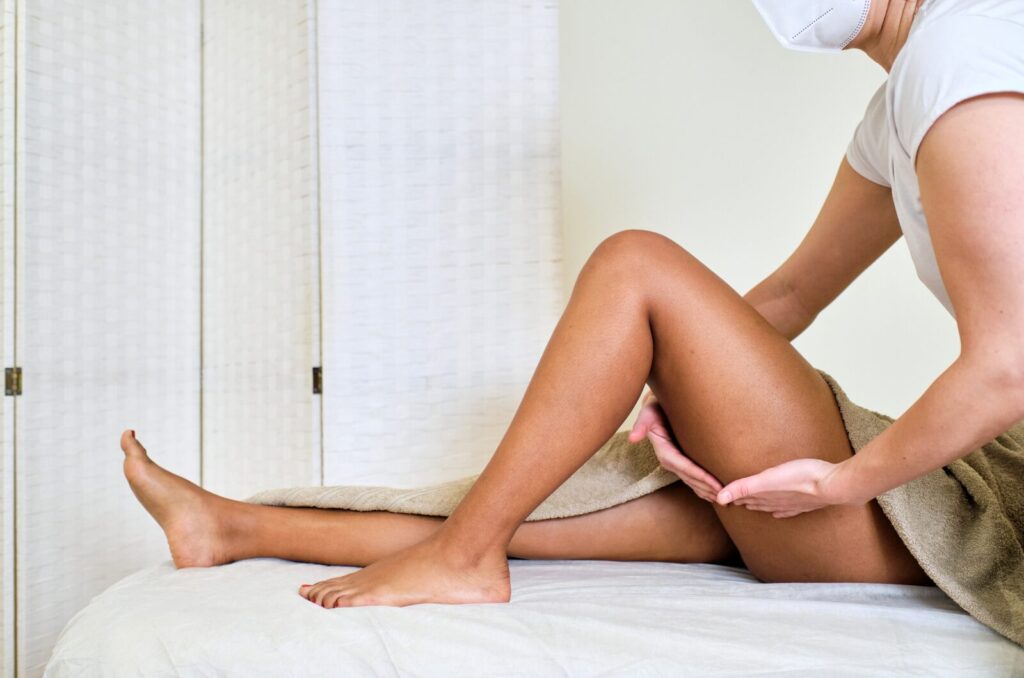
Manual Lymph Drainage cleansing the legs tissues

What is Manual Lymph Drainage?

Developed in Europe in the 1930โ€™s by Dr. Emil and Estrid Vodder, Manual Lymph Drainage (MLD) is a safe, effective, yet gentle approach to cleansing the bodyโ€™s tissues. MLD drains excess fluid from the tissues and also has a detoxifying effect. It can benefit a healthy person as well as be applied to more than 60 different conditions.

Scientific studies, as well as vast clinical experience, have supported the effectiveness of MLD.

The therapeutic benefits of MLD, evidenced by more than 35 years of research, are well documented. It is widely prescribed by physicians in the United States and Canada also recognize the benefits of MLD for their patients.