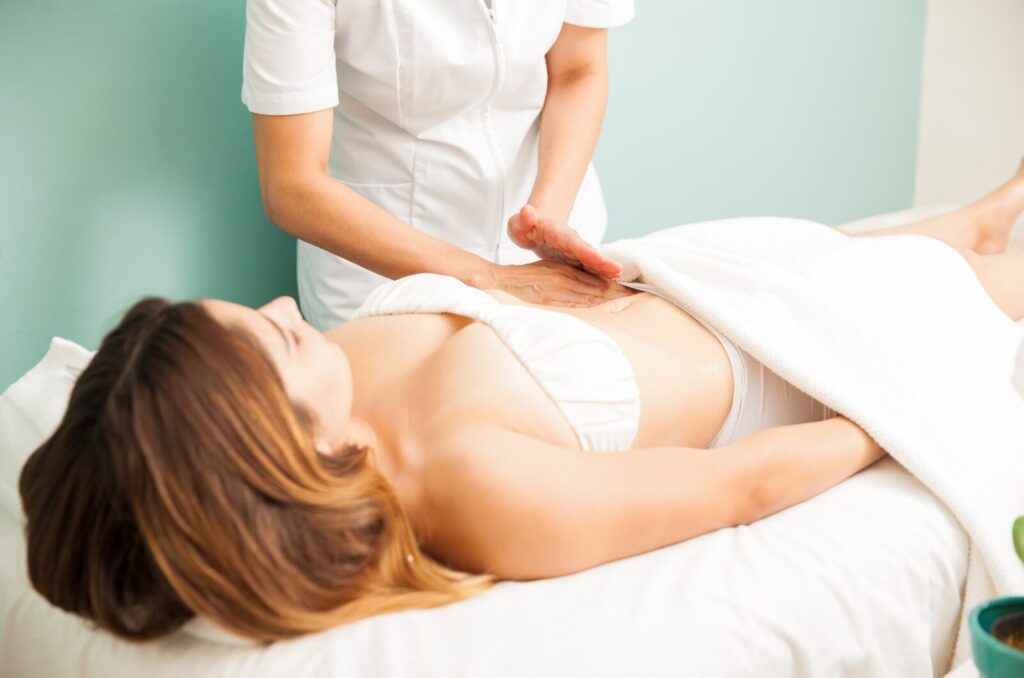
How Often Should You Get Lymphatic Drainage? A Simple Guide

How Often Should You Get Lymphatic Drainage

Lymphatic drainage massage has become an increasingly recognized therapy for supporting immune function, reducing inflammation, relieving fluid retention, and aiding post-operative recovery.

Yet, one of the most common and important questions clients ask is: How often should you get lymphatic drainage?

The answer is not the same for everyone. Your ideal lymphatic drainage massage frequency depends on your health status, lifestyle, and wellness goals.

Some may need regular treatments to manage chronic conditions, while others may benefit from occasional sessions as a form of preventive care or detox support.

This guide provides a clear and grounded look at how often to receive lymphatic massage, whether you’re recovering from surgery, managing chronic inflammation, or simply trying to maintain your body’s natural rhythm.

Why Frequency Matters in Lymphatic Drainage

The lymphatic system plays a central role in detoxification, immune surveillance, and fluid balance.

However, it relies on muscle contractions, breath, hydration, and manual techniques to circulate lymph fluid.

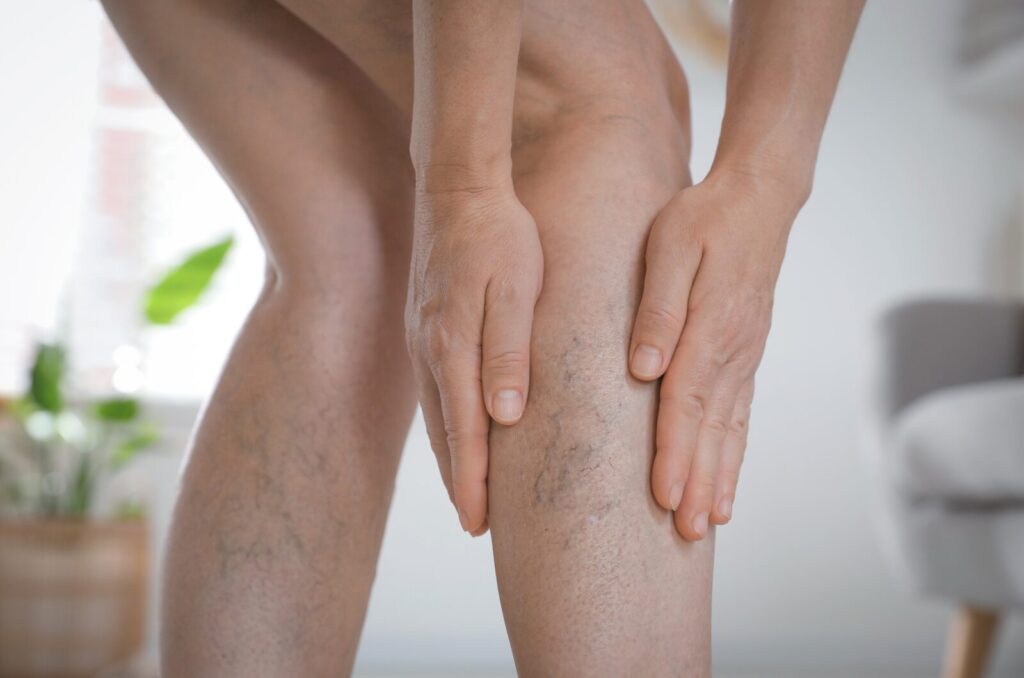
When that flow slows down, toxins and excess fluid can accumulate, leading to symptoms such as swelling, fatigue, brain fog, and sluggish immune responses.

Lymphatic drainage massage is designed to stimulate lymph flow and clear stagnation. Nevertheless, the key to long-term effectiveness often lies in its frequency.

Knowing how often lymphatic drainage massage should be performed depends on whether your body needs short-term stimulation or consistent maintenance over time.

General Guidelines for Lymphatic Drainage Massage Frequency

The following recommendations on how often to get a lymphatic massage are based on common scenarios. They are not medical prescriptions but general insights drawn from clinical experience with manual lymphatic drainage therapy.

1.   General Wellness and Preventive Care

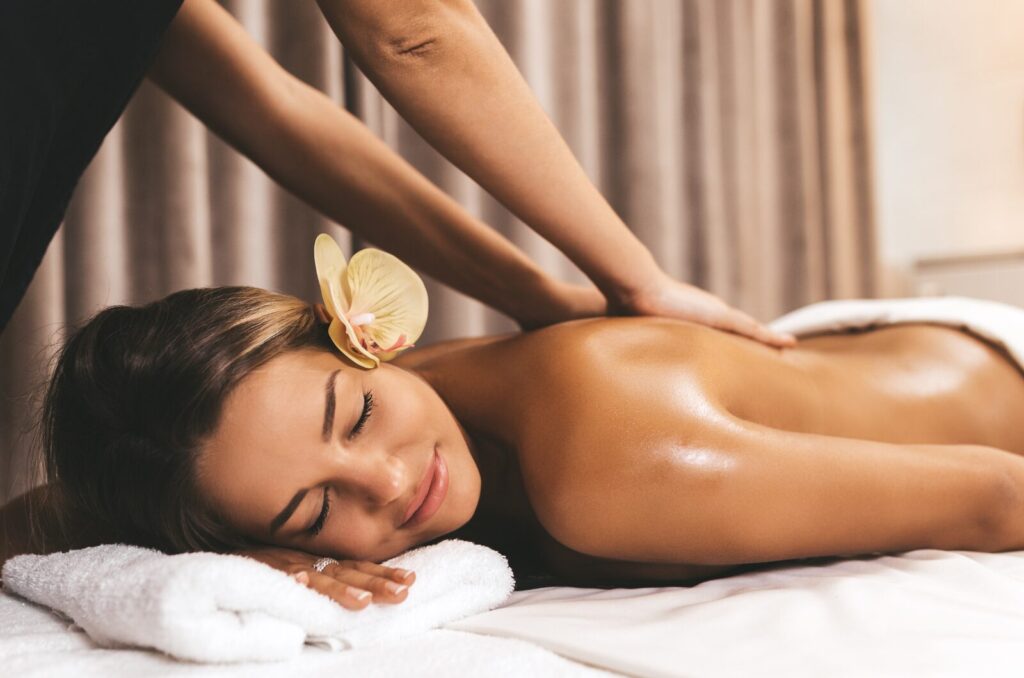
Monthly sessions are enough if you’re in good health and looking to support your lymphatic system for maintenance. These appointments serve as a gentle reset for your body, helping to manage daily exposure to toxins, minor inflammation, and stress.

Recommended frequency: Once every 3–4 weeks. This lymphatic drainage massage frequency helps maintain fluid balance, supports immune health, and encourages relaxation without overstimulating the body.

2.   Chronic Inflammation, Swelling, or Fatigue

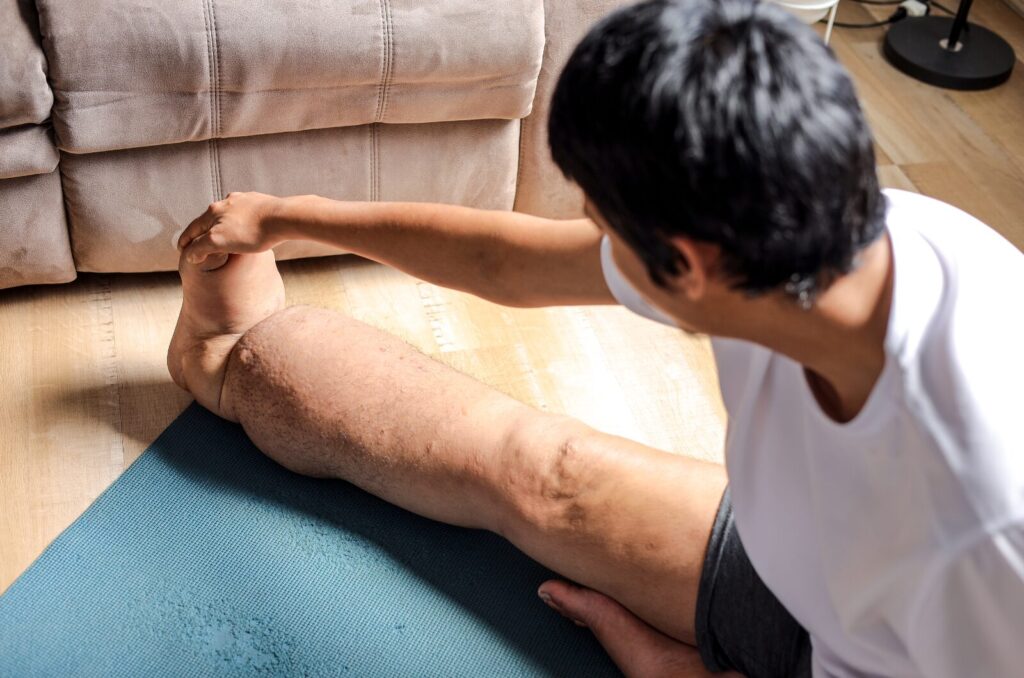
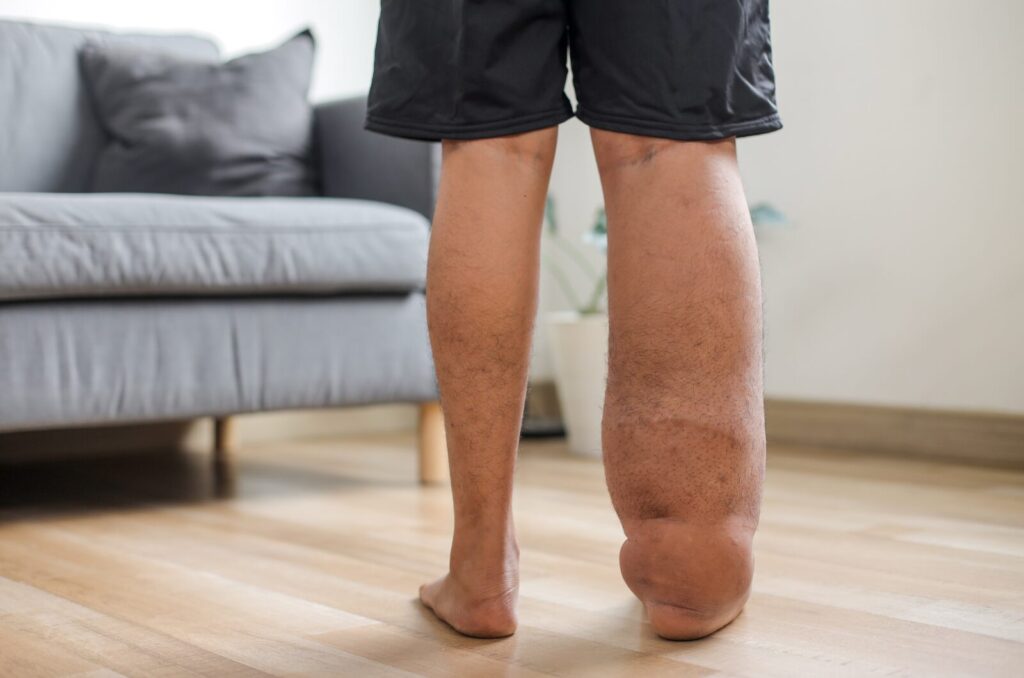
For individuals managing chronic issues, such as autoimmune conditions, fibromyalgia, or mild lymphedema, a more frequent schedule is necessary, especially at the beginning.

Recommended frequency: 1–2 times per week for 4–6 weeks, then reevaluate.

In these cases, consistent stimulation supports lymph movement and symptom relief. As your system improves, the frequency gradually reduces to biweekly or monthly for maintenance.

3.   Post-Surgery or Post-Injury Recovery

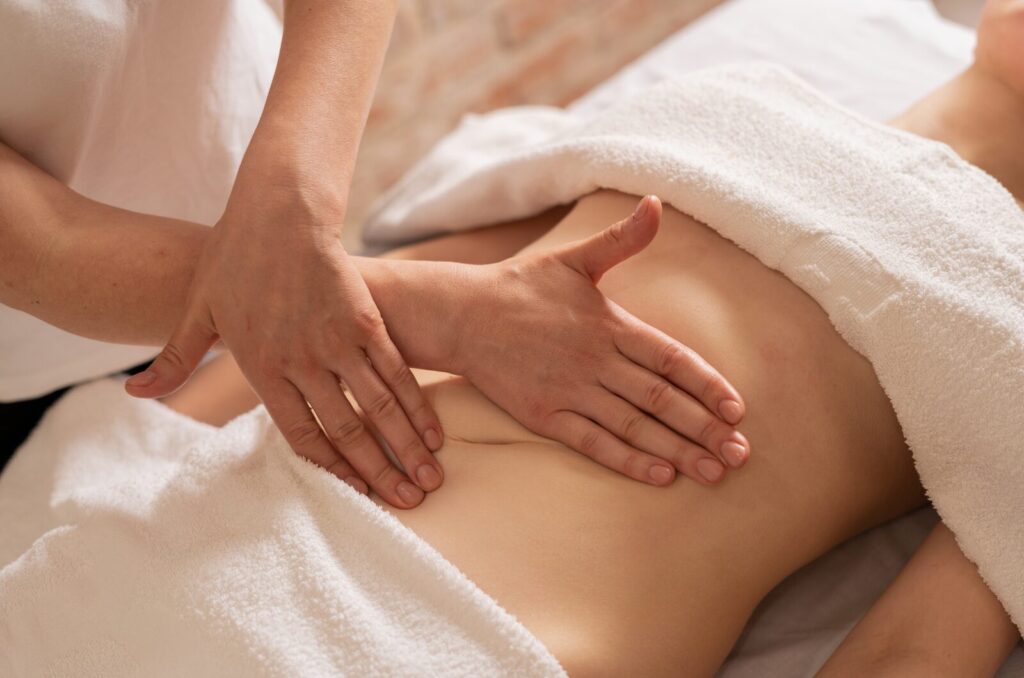
Lymphatic drainage massage is used after surgeries, such as liposuction, tummy tucks, orthopedic procedures, or lymph node removal. The goal is to reduce swelling, minimize scar tissue, and accelerate tissue healing.

Recommended frequency: 2–3 sessions per week for the first 2–4 weeks post-op, then taper as needed

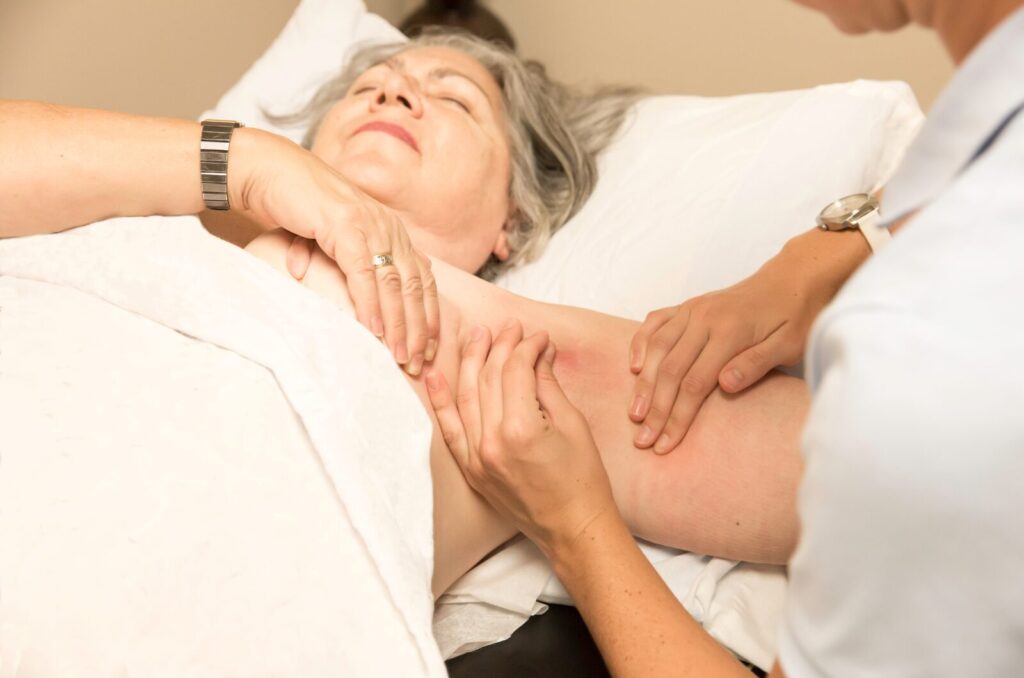
Lymphatic drainage massage frequency should always be discussed with your surgeon or therapist, especially when surgery has impacted lymph node function or drainage pathways.

4.   Detox or Cleanse Support

Detox or Cleanse Support

If you’re engaging in a detox protocol or short-term cleanse, lymphatic massage can support the elimination process by promoting lymphatic flow and reducing symptoms such as fatigue or bloating.

Recommended frequency: 1–2 sessions during the detox window

Spacing sessions a few days apart allows the body time to respond and process waste between treatments.

5.   High-Stress Periods and Nervous System Regulation

Because lymphatic massage also has a calming effect on the parasympathetic nervous system, some people use it to support recovery from burnout, adrenal fatigue, or chronic stress.

Recommended frequency: Weekly for 3–5 weeks, then taper to monthly as needed

This rhythm allows the nervous and lymphatic systems to stabilize before moving into a long-term maintenance schedule.

You May Need Lymphatic Drainage More Frequently

There is no universal answer to how often to get lymphatic massage, because each individual’s lymphatic system responds differently. Some signs that you may benefit from frequent sessions include:

  • Persistent swelling or fluid retention
  • Brain fog or lack of mental clarity
  • Recurrent illness or poor immune response
  • Post-operative inflammation or slow wound healing
  • Chronic fatigue or heaviness in the limbs

If you notice that symptoms return quickly after a session, your body may need a more consistent treatment schedule. Conversely, if you feel improvement that lasts, you can begin spacing out treatments and maintaining results with at-home care.

Supporting Your Lymphatic System Between Sessions

No matter your lymphatic drainage massage frequency, daily habits help maintain a healthy flow. Some ways to support your lymphatic system at home include:

  • Hydration: Lymph fluid relies on adequate water intake to stay mobile.
  • Movement: Light daily exercise, like walking, stretching, or yoga, helps activate lymph flow.
  • Breathwork: Deep, diaphragmatic breathing stimulates deep lymphatic vessels.
  • Dry Brushing: This light skin-stimulation technique encourages superficial drainage.
  • Epsom Salt Baths: These may support detox and relaxation between sessions.

Lifestyle support ensures that the benefits of professional therapy last longer and your overall lymphatic rhythm remains balanced.

Conclusion

So, how often should you get a lymphatic massage? The answer is not fixed. How often lymphatic drainage massage is necessary evolves with your body. It may be weekly during times of stress or recovery, monthly when you’re maintaining balance, or just occasionally when you need extra support. What matters most is being intentional. Work with a qualified therapist when possible, track how your body responds, and don’t ignore subtle signs of lymphatic stagnation. With thoughtful attention, you’ll find the right rhythm, one that supports long-term health and helps you feel lighter, clearer, and more resilient.

What Happens When Your Lymphatic System Slows Down?

Sign of Lymphatic System Slows Down

The lymphatic system is a network of interconnected vessels, nodes, and fluid working quietly behind the scenes to cleanse, protect, and balance the body.

Unlike the cardiovascular system, it doesn’t have a central pump like the heart. Instead, it relies on breath, movement, hydration, and healthy tissues to function optimally. But what happens when that system slows down?

A sluggish lymphatic system doesn’t always announce itself loudly. In fact, the early signs can be subtle: a bit more puffiness in the morning, persistent fatigue, skin breakouts that won’t go away, or feeling “off” in a way you can’t quite describe.

In this article, we’ll explore the symptoms of slow lymphatic system function, what causes it, and how lymphatic congestion, dysfunction, and even obstruction can impact your health.

Understanding the Lymphatic System

Before we dive into dysfunction, let’s start with a simple understanding of how the lymphatic system works. Think of it as the body’s internal sanitation and defense system.

It filters waste, dead cells, toxins, and pathogens from tissues and transports them through lymph vessels to lymph nodes. From there, filtered fluid is returned to the bloodstream, while harmful substances are broken down and removed.

The lymphatic system assists in immune surveillance. Lymph nodes are packed with white blood cells that detect and destroy harmful invaders.

When working well, this system keeps inflammation in check, supports energy levels, and helps regulate fluid balance throughout the body.

However, when things slow down, that’s when problems begin to arise.

What Causes Lymphatic Slowdown?

There are many contributors to lymphatic congestion, and it’s rarely just one thing. Some of the most common include:

  • Sedentary lifestyle: Lack of movement means less muscular contraction, which is necessary to move lymph.
  • Chronic stress: Elevated cortisol can affect immune function and lead to stagnation in circulation.
  • Dehydration: Lymph fluid is mostly water. Without proper hydration, it becomes thicker and flows less easily.
  • Poor diet: Processed foods, excess salt, and inflammatory ingredients can overload the lymphatic system.
  • Toxin exposure: Environmental toxins, heavy metals, and chemicals can burden detox pathways.
  • Infections or illness: Viral or bacterial infections may temporarily overwhelm the lymphatic load.
  • Surgery or radiation: Especially when lymph nodes are removed or damaged, leading to lymphatic obstruction.

Even emotional trauma, long-standing illness, or lack of quality sleep can play a role in slowing lymphatic flow.

Symptoms of a Slow Lymphatic System

Symptoms of a Slow Lymphatic System

So, how do you know your lymph is struggling to move? The symptoms of slow lymphatic system function often start as background noise, things that feel minor, until they begin to compound. Some of the most common signs include:

1.   Swelling and Puffiness

Especially on the face, fingers, ankles, and under the eyes. You may feel bloated even without overeating.

2.   Chronic Fatigue

When your body can’t efficiently clear waste, energy production slows. You may feel foggy, tired, or unmotivated, even after sleep.

3.   Frequent Colds or Illness

A slow lymphatic system means a sluggish immune response. You might get sick often or struggle to recover fully.

4.   Skin Problems

Breakouts, rashes, acne, dullness, and even chronic conditions like eczema may be linked to lymphatic dysfunction.

5.   Stiffness and Muscle Aches

Fluid stagnation leads to tightness, soreness, and a feeling of “heaviness” in the limbs.

6.   Brain Fog

Cognitive symptoms like forgetfulness or feeling mentally foggy are often tied to internal congestion, including lymph.

7.   Digestive Irregularities

Because the gut is closely tied to immune and lymphatic health, a slow system may contribute to constipation, bloating, or food sensitivities.

If you recognize several of these symptoms of a slow lymphatic system, it may be time to support your body’s drainage and detox mechanisms more intentionally.

Lymphatic Congestion vs. Obstruction vs. Dysfunction

These terms are used interchangeably, but they describe slightly different things:

• Lymphatic Congestion

This refers to a temporary backup of fluid. It might be due to lifestyle factors like sitting too long, poor hydration, or illness. It’s reversible with supportive practices like movement and massage.

• Lymphatic Obstruction

This is structural or chronic. It can be caused by scar tissue, surgery, trauma, or damaged lymph nodes. It may lead to persistent swelling like lymphedema and may require medical intervention or therapy.

• Lymphatic Dysfunction

Lymphatic dysfunction is a broader term for when the lymphatic system isn’t doing its job efficiently. It includes everything from genetic conditions to long-standing inflammation and can overlap with both congestion and obstruction.

Regardless of terminology, the result is the same: lymphatic flow slows, waste builds up, and your body’s natural balance is disrupted.

When to Seek Help for Your Lymphatic System Health

While most cases of slow lymph flow are lifestyle-related and can be addressed naturally, there are times when professional support is needed.

You should seek help if you experience the following severe symptoms of a slow lymphatic system:

  • Swelling persists for weeks or worsens
  • You experience lymphatic obstruction due to surgery or trauma
  • There’s pain, redness, or heat in swollen areas
  • You’re frequently sick or fatigued without explanation
  • Skin infections or lymph-related conditions keep recurring

A trained lymphatic therapist or healthcare provider can assess the cause and help develop a supportive plan.

Conclusion

The lymphatic system may be quiet, but the effects ripple through every part of your body when it slows down. Fatigue, fogginess, swelling, and poor immunity are messages. Understanding the symptoms of slow lymphatic system function can help you respond early, gently, and effectively. Whether you’re managing chronic inflammation, recovering from illness, or simply trying to feel better in your skin, taking care of your lymphatic system is a foundational step.

Lymph Nodes Explained: What Swelling Means & When to Seek Help

Lymph Nodes Explained what Swelling Means & When to Seek Help

Swelling is your body’s way of saying something isn’t right. When that swelling occurs in your lymph nodes, it brings a mix of concern and confusion. Are you just fighting off a cold, or is it something more serious? What does it mean if the swelling sticks around?

In this article, we’ll walk you through lymph nodes explained in plain language: what they are, what causes them to swell, and when persistent swelling may indicate the need for further medical attention.

Whether you’re dealing with tender lymph nodes now or simply want to understand your body better, this guide offers clarity and insight rooted in knowledge and care.

Lymph Nodes Explained: The Body’s Watchtowers

Let’s begin with lymph nodes explained from the ground up. These small, bean-shaped structures are scattered throughout your body and play a critical role in your immune system.

Lymph nodes filter lymph fluid, which carries waste, toxins, and immune cells. They’re positioned strategically near areas where infection or inflammation is likely to occur: the neck, underarms, groin, chest, and abdomen.

When your body detects a threat, such as a virus, bacteria, or even abnormal cells, your lymph nodes spring into action. They swell because they’re producing and storing white blood cells to fight off the invader. In other words, swollen lymph nodes are a sign that your immune system is doing its job.

The Common Causes of Swollen Lymph Nodes

There are lots of reasons for lymph node swelling, and the vast majority are not cause for alarm. Some of the most common include:

1.   Infections

Respiratory viruses like the common cold or flu, ear infections, strep throat, and dental infections can all lead to swollen lymph nodes, especially in the neck or under the jaw.

2.   Localized Skin Infections or Injuries

Even a cut or abscess on the skin can cause nearby lymph nodes to swell. For example, an infected ingrown hair in the armpit may cause underarm nodes to enlarge.

3.   Immune System Reactions

Autoimmune conditions like rheumatoid arthritis cause long-term lymph node swelling, since the immune system is still activated.

4.   Medications or Vaccines

Certain drugs or vaccinations may cause temporary swelling of lymph nodes as your body responds.

5.   Chronic Inflammation

Long-term inflammation in the body, whether due to diet, stress, or environmental toxins, can also result in subtle, ongoing lymph node enlargement in some cases.

Understanding the reason for lymph node swelling often requires looking at the full picture: Are you sick? In pain? Have you had any recent injuries, stress, or travel?

What Long-Term Lymph Node Swelling Can Mean

Long-term Lymph Node Swelling Can Mean

Not all swelling is short-lived. When lymph nodes remain enlarged for weeks or even months, or continue to grow in size, it’s natural to feel concerned.

Long-term lymph node swelling doesn’t always mean something serious is wrong, but it should be assessed if:

  • The node is larger than 1.5 cm
  • It feels hard, fixed, or immobile
  • There’s no obvious infection
  • It continues beyond 3–4 weeks
  • You also experience night sweats, weight loss, or persistent fatigue
  • The swelling is generalized (across several areas of the body)

While chronic infections or autoimmune conditions can cause persistent swelling, it can also be a sign of more serious issues like lymphoma or other cancers. The key is not to panic, but not to ignore it either. If you’re noticing changes that aren’t resolving, it’s time to check in with a healthcare provider.

Lymph Nodes Explained in Different Areas of the Body

The location of the lymph nodes offers clues about what’s going on.

1.   Neck and Jaw (Cervical Nodes)

Swelling here is most linked to upper respiratory infections, dental problems, or throat infections.

2.   Underarm (Axillary Nodes)

It can be affected by skin infections, breast issues, or, in rare cases, more serious conditions like breast cancer.

3.   Groin (Inguinal Nodes)

May swell in response to leg or foot infections, ingrown hairs, or sexually transmitted infections.

4.   Abdomen or Chest

These nodes are deeper and not easily felt, but swelling in these areas (discovered via imaging) can be related to internal infections or systemic illnesses.

How to Support Healthy Lymphatic Flow

Even when swelling is benign, taking care of your lymphatic system can help ease discomfort and support the immune response. Here are a few simple practices to promote better lymph flow:

  • Hydration: Lymph fluid is mostly water. Drink plenty throughout the day.
  • Gentle Movement: Walking, stretching, rebounding, and yoga help pump lymph through the vessels.
  • Dry Brushing: This light exfoliation technique stimulates surface lymphatic vessels.
  • Lymphatic Drainage Massage: A gentle, hands-on therapy that encourages movement of stagnant lymph fluid.
  • Deep Breathing: Diaphragmatic breathing acts as a pump for deep lymph circulation.

While these tools won’t resolve all cases of swelling, they’re great for daily support, especially when dealing with post-illness fatigue, fluid retention, or mild, lingering inflammation.

Conclusion

With lymph nodes explained, it becomes clear that swelling isn’t always something to fear, but it’s never something to dismiss either. Whether your body is fighting off an infection or trying to convey a deeper message, the lymphatic system plays a central role in your health story. Understanding the reason for lymph node swelling empowers you to take action, whether that means supporting your immune system naturally or consulting a professional for further evaluation. If you’ve been living with long-term lymph node swelling, remember: it’s worth exploring. Your health is too valuable to leave to uncertainty.

What to Wear and Eat Before and After a Lymphatic Massage

Wear & Eat Before and After a Lymphatic Massage

Lymphatic massage is a gentle and powerful therapy that supports the body’s natural detoxification and healing processes.

Whether you’re seeking relief from swelling, tension, fatigue, or simply looking to support your immune system and overall wellness, you should prepare adequately for your session. Taking care afterward can make a significant difference in how effective the treatment is.

One of the most common questions people ask before their first session is: “What should I eat? What should I wear?” Those choices matter more than you might think.

In this article, we’ll share practical lymphatic drainage tips to help you make the most of your massage, from how you show up to what you do afterward. These tips for lymphatic drainage are simple, thoughtful steps that promote better flow, better results, and a better experience overall.

Why Preparation and Aftercare Matter in Lymphatic Drainage

A lymphatic massage works with the body’s natural processes, helping move stagnant fluid through the lymph vessels to be filtered and eliminated.

Unlike muscle-focused massage, which targets tension through pressure, lymphatic drainage relies on gentle, rhythmic strokes to guide lymph toward the nodes where it can be processed.

That subtle stimulation can have a significant impact, but only if your body is ready to respond. Choosing what you wear and eat before and after the session plays a direct role in how easily your lymph flows, how your digestive system reacts, and how you feel in the hours and days following treatment. Let’s break it down.

What to Wear to a Lymphatic Massage

Start with clothing that supports relaxation and ease of movement. Here’s what to consider:

1.  Loose-Fitting, Comfortable Clothing

Tight waistbands, compression gear, or restrictive fabrics can hinder lymph flow, the very thing your massage is trying to support. Wear breathable materials like cotton, and choose garments that don’t leave marks on the skin.

2.   Minimal Layers

Because lymphatic massage targets areas like the neck, collarbones, abdomen, and inner thighs, it’s helpful to wear clothing that’s easy to remove or adjust. A loose T-shirt and relaxed pants or shorts are ideal for pre- and post-session comfort.

3.   No Jewelry

Before the session begins, it’s best to remove necklaces, bracelets, watches, and even tight hairbands. These can interfere with your body’s natural drainage points.

4.   Post-Massage Tip: Avoid Tight Clothing

After the session, your body will continue to drain and process lymph fluid. Wearing loose clothing afterward can prevent restriction and allow the lymph to flow more freely, especially through the major drainage zones.

Eating Before Lymphatic Massage: What You Should Know

Eating the right way before your massage supports your digestion and comfort while lying down. Here’s what to keep in mind:

1.   Don’t Arrive on a Full Stomach

When your stomach is full, lying on your back, especially if the massage includes abdominal work, can feel uncomfortable. It also places more stress on your digestive system during a time when you want your body to focus on detox.

If you’re wondering about eating before a lymphatic massage, eat at least 1.5 to 2 hours before your session.

2.   Choose Light, Nutrient-Dense Foods

Opt for a small meal that’s easy to digest: think steamed vegetables, leafy greens, fresh fruit, or a simple protein smoothie. These foods support hydration and lymph flow while avoiding sluggishness.

3.   Avoid Heavy and Processed Foods

Skip greasy, salty, or processed meals before your appointment. These can contribute to fluid retention and may leave you feeling bloated or tired during the session.

What to Eat and Drink After the Massage

Eat and Drink After the Massage

Your body does a lot of behind-the-scenes work after a lymphatic massage. Supporting it with the right lymphatic drainage tips is key.

1.   Stay Hydrated

Your lymph is mostly water. Drinking plenty of fluids, especially room temperature or warm water, after a session helps flush toxins and supports kidney function as your body eliminates what’s been moved during the massage.

Lemon water, herbal teas like ginger, peppermint, or dandelion root, and coconut water are also helpful.

2.   Eat Clean, Anti-Inflammatory Meals

After your massage, focus on meals rich in whole, colorful plant foods. Think leafy greens, cucumbers, berries, citrus, avocados, and healthy fats like olive oil and nuts. These foods support the body’s natural detox pathways and help reduce inflammation.

3.   Avoid Sugar and Alcohol

Avoid sugar, soda, and alcohol for at least 24–48 hours post-session. These substances can add to your body’s toxic load and counteract the detoxifying benefits of the massage.

Extra Lymphatic Drainage Tips to Boost Your Results

The following are additional tips for lymphatic drainage that can enhance your session and keep your body in a state of flow well after your appointment ends.

1.   Get Moving

Light movement after your massage, like a walk, gentle stretching, or yoga, helps keep lymph fluid moving. The lymphatic system doesn’t have a pump like the heart, so even subtle motion encourages circulation.

2.   Prioritize Rest

While movement is good, rest is equally important. Lymphatic massage can leave you feeling deeply relaxed or even sleepy. Listen to your body and take time to rest if you need it.

3.   Avoid Toxins

Give your body a break from toxins it would otherwise need to process. The more you simplify, the better your lymphatic system can function.

4.   Schedule Consistently

Like any wellness modality, lymphatic massage offers the most benefit when done regularly. You don’t need to go weekly, but committing to a rhythm helps maintain results over time.

Conclusion

To recap, the most crucial lymphatic drainage tips for clothing and eating before lymphatic massage include wearing breathable clothing, no jewelry or tight accessories, wearing comfortable layers easy to remove, and avoiding tight-fitting clothes post-session. Eat a light meal 1.5–2 hours beforehand, choose easy-to-digest food, and avoid processed meals. Listen to your body. The more in tune you are with how you feel before and after each session, the more empowered you’ll be in supporting your own healing process. 

Facial Lymphatic Massage for Puffy Eyes, Jaw Tension & Radiant Skin

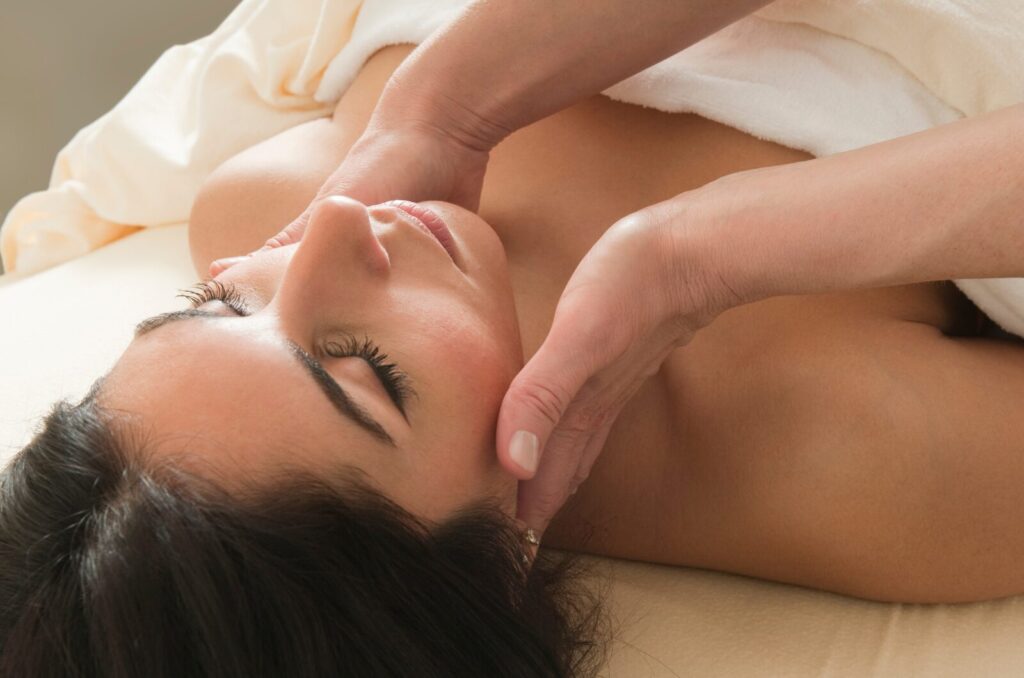
An esthetician performing a facial lymphatic massage at Lymphatic Therapy Services' San Diego clinic.

We live in a fast-paced world, and our faces show it first. Puffy under-eyes after sleepless nights, jaw tightness from clenching through stress, and dull skin are signals from the body.

If you’ve been chasing relief with serums and skincare routines, it might be time to look a little deeper, to the lymphatic system.

Facial lymphatic drainage massage is gaining popularity among wellness practitioners who understand how intimately the lymphatic system is connected to skin health, inflammation, and tension.

Unlike traditional facials or muscle-targeting massage, the technique offers a lighter, intentional approach designed to work with the body’s natural detox process.

In this article, we’ll explore how lymphatic drainage massage for face concerns, like puffiness, jaw tension, and skin dullness, can be a game-changer in your self-care toolbox.

What Is Facial Lymphatic Massage?

At its core, lymphatic drainage massage for the face is a gentle, methodical practice that stimulates the movement of lymph. Lymph is a clear fluid that carries waste, toxins, and immune cells through the body.

The lymphatic system doesn’t have a central pump like the heart, so it depends on muscle movement, breathing, and manual stimulation to keep fluids flowing.

Under the skin, lymphatic fluid moves through a network of delicate vessels located just under the surface of the skin. When these pathways become sluggish, fluid accumulates around the eyes, cheeks, and jaw, leading to puffiness, tightness, and breakouts.

Facial lymphatic drainage massage uses light, sweeping strokes to guide this fluid toward the lymph nodes located near the ears, under the jaw, and along the neck.

Unlike deep tissue or sculpting facials, it doesn’t work on the muscles but instead supports circulation and detoxification at the lymphatic level.

Why the Face Shows Signs of Lymphatic Stagnation

The face is sensitive to stagnation in lymph flow. With so many capillaries, nerve endings, and lymph vessels packed into a small space, even a little fluid retention or congestion can change the way your face looks and feels.

You might notice:

  • Puffiness under the eyes, especially in the morning
  • Jaw pain or tightness from clenching or TMJ
  • Dull, uneven skin tone
  • Under-the-skin congestion or small bumps
  • Skin that feels inflamed or hot to the touch

While skincare products can help address symptoms on the surface, lymphatic drainage face massage supports what’s happening underneath. This helps release fluid, reduce inflammation, and allow the skin to do what it does best: repair, glow, and breathe.

Benefits of Lymphatic Face Massage

Client receiving gentle lymphatic face massage at Lymphatic Therapy Services' San Diego clinic to enhance skin glow.

Whether you’re seeking cosmetic benefits or deeper tension relief, lymphatic face massage offers a wide range of outcomes. The following effects can be felt and seen almost immediately.

1.   Reduced Puffiness

The immediate benefit of lymphatic drainage massage for the face is its ability to relieve facial swelling. By guiding trapped fluid toward the lymph nodes, it helps reduce under-eye bags, swollen cheeks, and morning puffiness in a matter of minutes.

2.   Relief from Jaw Tension

Many people carry stress in their jaw, more so if they clench and grind their teeth while sleeping. The light stimulation of facial lymphatic drainage massage around the cheeks, jawline, and neck can help relieve that pressure and encourage a more relaxed expression.

3.   Improved Circulation

This massage promotes healthy blood flow and oxygen delivery to skin cells. The results are brighter, more radiant skin with a natural glow. Some people notice a visible lift or contouring effect just from enhanced fluid movement and reduced inflammation.

4.   Skin Detoxification

By clearing stagnant lymph, the skin becomes better equipped to manage breakouts, redness, and irritation. Many people find that lymphatic drainage face massage helps calm flare-ups and supports the healing of blemishes.

5.   Nervous System Support

Gentle, repetitive strokes can also calm the nervous system. For those with anxiety, overstimulation, or poor sleep, the grounding nature of lymphatic drainage massage for the face can bring a sense of calm and clarity.

How Lymphatic Drainage is Done and What It Feels Like

Facial lymphatic drainage massage is incredibly light, almost like slow brushing or sweeping along the skin’s surface. The movements are always directed toward nearby lymph nodes and are done with the tips of the fingers in precise patterns.

Practitioners begin at the neck, clearing the main lymphatic exits, before moving up to the jaw, cheeks, and under the eyes. A session might last anywhere from 30 minutes to an hour, depending on whether it’s part of a broader facial or a focused treatment.

It’s important to note that more pressure doesn’t equal better results. In fact, too much pressure can compress lymphatic vessels and block flow. The gentleness of lymphatic face massage is what makes it effective.

Can You Do Lymphatic Massage at Home?

Absolutely, with the right technique. Self-massage is a great way to support your lymphatic system in between professional sessions.

Just be sure to start with clean hands and skin, use a light facial oil if needed, and keep your strokes feather-light.

Some helpful tips:

  • Always move in the direction of lymph flow: from the center of the face outward and downward toward the neck.
  • Focus on areas like the under-eyes, jawline, sides of the nose, and neck.
  • Keep your breathing relaxed — this helps the lymphatic system activate more effectively.
  • Don’t rush. The nervous system responds best to slow, repetitive motion.

Even 5–10 minutes of at-home lymphatic drainage massage for the face each day can make a noticeable difference in how your skin looks and how your face feels.

Who Benefits Most from Lymphatic Drainage Massage?

Facial lymphatic drainage massage is a therapeutic tool that benefits anyone dealing with:

  • Sinus congestion or seasonal allergies
  • Post-surgical swelling or inflammation
  • Tension headaches or TMJ
  • Skin conditions like rosacea or acne
  • Facial puffiness due to hormonal shifts or dehydration
  • Nervous system overload and stress-related facial tension

Conclusion

Our skin reflects what’s happening beneath the surface, physically, emotionally, and energetically. When fluid stagnates, so does energy. However, when you support your lymphatic system, you invite not just better skin, but a deeper sense of calm and connection to your body. Lymphatic drainage massage for face is a timeless, body-honoring practice that helps restore flow in every sense of the word. Whether you’re seeking glow, clarity, or simply a little less tension, this gentle therapy can help you get there, one breath and one stroke at a time. 

How Lymphatic Massage Supports Endometriosis & PCOS Management

Lymphatic Massage Supports Endometriosis & PCOS Management

Managing polycystic ovary syndrome (PCOS) and endometriosis requires more than just medical treatment. These hormonal disorders impact not only the reproductive system but also the immune, digestive, and lymphatic systems.

Many people living with these conditions know the routine: bloating, chronic inflammation, fatigue, mood swings, and a sense that their body is always fighting itself.

Conventional care provides necessary support. Nonetheless, complementary therapies like lymphatic drainage massage for PCOS and massage therapy for endometriosis are increasingly being recognized. This is due to their ability to reduce symptom severity, improve fluid circulation, and bring relief in more holistic ways.

This article explores how lymphatic massage fits into the broader conversation around hormonal wellness and why so many individuals with PCOS or endometriosis are turning to it as a supportive therapy.

The Lymphatic System’s Role in Hormonal Health

The lymphatic system plays a quiet but vital role in keeping the body balanced. It helps regulate immune function, detoxifies cellular waste, and supports the removal of excess hormones.

Estrogens and androgens are often imbalanced in people with endometriosis or PCOS. The lymphatic system depends on muscle movement, breathing, and sometimes manual stimulation to flow.

When it’s overloaded, due to inflammation, hormonal imbalance, or a sedentary lifestyle, lymph fluid can become stagnant.

This can lead to swelling, pelvic congestion, and a worsening of the very symptoms associated with reproductive disorders.

That’s where lymphatic drainage massage for PCOS or endometriosis comes in. It’s not a replacement for medical care, but a hands-on approach that works with the body to reduce blockages and inflammation.

How Lymphatic Drainage Massage Helps with PCOS

Polycystic Ovary Syndrome is characterized by hormonal imbalance, often including elevated androgens (male hormones), insulin resistance, and chronic inflammation.

Symptoms vary widely— irregular periods, weight gain, ovarian cysts, fatigue, acne, and more. Low-grade inflammation and poor detoxification pathways exacerbate many of these symptoms.

That’s why lymphatic drainage massage for PCOS has become an appealing option for those looking to ease their discomfort in a natural, non-invasive way.

Benefits include:

  • Reduced pelvic and abdominal bloating
  • Improved lymph circulation to help clear excess hormones
  • Enhanced immune support during flares or high-symptom periods
  • Lower stress response, supporting adrenal balance
  • Gentle detoxification, especially when combined with hydration and movement

The gentle, rhythmic touch of this massage activates lymphatic vessels beneath the skin. It helps move stagnant fluid and reduce internal congestion. The process is helpful for people with sluggish metabolism or inflammation-driven symptoms.

Over time, clients often report lighter periods, consistent energy, and a reduction in water retention or puffiness.

How Massage Therapy Supports Endometriosis

Endometriosis is a painful condition in which tissue mimicking the uterine lining grows outside the uterus, causing inflammation, scar tissue, and sometimes severemenstrual pain.

While there’s no cure, symptoms can be managed, and massage therapy for endometriosis is one way people are finding relief without medication side effects.

Pelvic congestion and adhesions caused by endometrial lesions contribute to pain. Lymphatic massage helps improve drainage from the pelvic area, which can decrease pressure and help reduce inflammation.

Massage supports endometriosis by:

  • Alleviating abdominal swelling and tenderness
  • Softening scar tissue or post-surgical adhesions
  • Improving oxygen and nutrient delivery to tissues
  • Calming the nervous system to reduce pain sensitivity
  • Assisting lymph flow, which removes inflammatory byproducts

Lymphatic drainage massage for endometriosis focuses on lightly stimulating the areas around the pelvis, abdomen, inner thighs, and even the lower back. Lymphatic drainage massage for endometriosis helps clear fluid accumulation and promote a more comfortable, less congested state.

Lymphatic Massage and the Mind-Body Connection

Lymphatic Massage and the Mind-Body Connection

The physical, emotional, and psychological relief people experience from lymphatic massage is equally important.

Both PCOS and endometriosis can lead to a feeling of disconnection from one’s body, like being at war with it. Chronic pain, unpredictable cycles, and hormonal shifts can all take a toll on mental health.

Massage supports parasympathetic nervous system activation, which is suppressed in people dealing with chronic conditions. A single session can reduce cortisol levels, relax muscle tension, and provide a sense of calm that carries into daily life.

For many, feeling safe and supported in their body again is just as healing as the physical changes.

What a Lymphatic Drainage Massage Session Looks Like

A lymphatic drainage massage session is very different from deep tissue or sports massage. The pressure used is extremely light, and the therapist works in slow, rhythmic strokes that follow the direction of lymphatic flow.

Sessions for people with PCOS or endometriosis focus on the abdomen, pelvis, groin, and underarms, the key drainage points where lymph nodes filter waste.

The neck and clavicle areas are also included, since they serve as final exit points for lymphatic fluid. While every practitioner may approach treatment slightly differently, the goal is always the same: encourage circulation, reduce stagnation, and promote balance.

Who Might Benefit the Most from Lymphatic Massage?

While anyone with PCOS or endometriosis may benefit, certain signs suggest lymphatic massage could be helpful if:

  • You experience frequent bloating or abdominal swelling
  • Your periods are painful, heavy, or irregular
  • You have chronic fatigue or fluid retention
  • You’ve had abdominal surgery or pelvic adhesions
  • You’re dealing with low immunity, sluggish detox, or hormone imbalance
  • You feel disconnected from your body and want a gentler approach to healing

It’s also a safe option for those who are medication-sensitive, seeking fertility support, or looking for non-pharmaceutical ways to manage chronic pain.

Conclusion

Neither PCOS nor endometriosis has a one-size-fits-all solution. These complex, layered conditions affect every system in the body, and every person differently. Lymphatic drainage massage for PCOS and massage therapy for endometriosis don’t promise overnight change, but they do offer something important: a way to support the body with kindness, consistency, and care. They give the lymphatic system a chance to do what it does best: restore flow, reduce burden, and bring the body closer to balance. Call us today.

The Role of Lymphatic Massage in Managing Breast Tenderness

Client receiving lymphatic massage for managing breast tenderness at Lymphatic Therapy Services in San Diego, California

Breast tenderness isn’t always something we talk about openly, but many women live with it. It can feel like heaviness, sensitivity, fullness, or even a sharp twinge under the arm or across the chest.

Whether it shows up before your cycle, during perimenopause, after surgery, or seemingly out of nowhere, one thing is for sure: it can get in the way of feeling like yourself.

Many women who feel unsure where to turn are told it is “normal” or given temporary solutions like painkillers or tight sports bras.

However, when they tried lymphatic massage for breast tenderness, something shifted. Their bodies responded. The pain eased, and they felt more connected to themselves again.

So, let’s talk about why that is, and how this kind of gentle, informed bodywork can help you feel better in your body.

Why the Lymphatic System Matters More Than You Think for Breast Tenderness

Most people don’t give their lymphatic system much thought. It’s quiet and doesn’t pump like the heart or make noise like a growling stomach.

Nevertheless, behind the scenes, it’s hard at work — clearing waste, moving immune cells, and helping the body detoxify naturally.

The breasts are filled with lymphatic vessels. As such, they rely on movement — walking, deep breathing, stretching — and sometimes a little extra help, to keep fluids circulating properly.

When things slow down or get backed up, that fluid can build up, leading to pressure, tenderness, and inflammation. That’s when breast lymphatic drainage massage becomes helpful and deeply relieving.

What Is Lymphatic Massage for Breast Tenderness?

Therapist performing lymphatic massage for breast tenderness at Lymphatic Therapy Services in San Diego, California

A lymphatic massage for breast tenderness is not deep tissue and doesn’t involve kneading or muscle work. Instead, it’s incredibly light, more like a slow ripple on the surface of water.

The technique follows the natural paths your lymph takes, gently guiding fluid toward nearby lymph nodes (mostly under the arms and near the collarbones).

It’s a therapy rooted in knowledge of anatomy, but practiced with intention and intuition. It helps:

  • Reduce swelling and fluid buildup
  • Ease sensitivity, especially during hormonal changes
  • Support post-surgical recovery
  • Encourage healthy tissue detoxification
  • Promote a more connected, comfortable relationship with your body

Clients often say that breast lymphatic drainage massage feels calming, almost meditative. Some even find it emotional, not because of the pressure, but because it gives them space to soften where they’ve been holding tension for years.

Common Causes of Breast Tenderness and Why Drainage Helps

Breast tenderness is incredibly common, but not always well understood. Here are some of the most frequent reasons professionals see clients for breast lymph drainage massage, and why it makes such a difference.

1.   Hormonal Swings

Estrogen and progesterone fluctuations around your cycle, during perimenopause, or due to birth control can cause fluid retention and tenderness. Hormonal tissue often responds beautifully to lymphatic massage for breast care, helping reduce that bloated, heavy sensation.

2.   Fibrocystic Changes

Many women have fibrous, lumpy breast tissue that becomes more sensitive with stress, caffeine, or hormone imbalance. While benign, it can be uncomfortable. Gentle lymphatic breast massage helps move stagnant fluid, softening the tissue and easing soreness.

3.   Post-Surgical Healing

After breast augmentation, reduction, reconstruction, or mastectomy, the lymphatic network is disrupted. Swelling and tightness are common. A series of post-surgery breast lymphatic drainage massage sessions can help clear fluid, reduce scar buildup, and support the healing process in a non-invasive manner.

4.   Sedentary Lifestyles and Tight Posture

Sitting for hours with rounded shoulders can block lymph flow from the breasts to the armpits, especially if bras are tight or underwires restrict movement. Breast lymph drainage massage helps reintroduce flow to these blocked pathways.

Why Women Are Embracing Lymphatic Breast Drainage Massage

The more we tune in to our bodies, the more we realize how often we push through discomfort that doesn’t have to be permanent.

Women are seeking breast lymph drainage massage after trying everything from heating pads to hormone pills. Many are surprised at how something so subtle can be so effective. Here’s what they often report after a few sessions:

  • Less swelling and puffiness
  • Relief from achy, cyclical pain
  • Softer, healthier-feeling breast tissue
  • Improved mobility post-surgery
  • A greater sense of peace and self-awareness

Beyond physical relief, there’s something powerful about reclaiming a part of your body that often gets ignored, until it hurts. Lymphatic massage for breast tenderness invites you back into gentle connection with yourself.

Is Lymphatic Massage Right for You?

If you’re dealing with breast tenderness — whether it’s mild and annoying or downright disruptive — lymphatic breast drainage massage may be worth exploring. It’s safe, non-invasive, and supportive of your body’s natural rhythms.

You don’t need a diagnosis or to wait until it’s bad. You just need to want relief, support, and a more empowered relationship with your body.

Conclusion

Breast tenderness may be common, but it’s not something you just have to live with. Your body is always speaking, and gentle, informed therapies like breast lymphatic drainage massage help you listen and respond. At Lymphatic Therapy Services, we offer more than just massage. We offer care, experience, permission to rest, and tools that help your body feel like home again.

Fibromyalgia Pain Relief: How Lymphatic Drainage May Help

Client receiving lymphatic drainage therapy to help manage fibromyalgia pain and promote symptom relief.

Fibromyalgia is an exhausting, life-altering condition that affects sleep, mood, memory, and mobility.

For many living with the condition, the search for effective, sustainable relief often feels endless. Medications may dull the symptoms, but they rarely address the full picture.

That’s where alternative therapies, like lymphatic drainage for fibromyalgia, come into the conversation, not as a cure, but as a meaningful step toward feeling better in a body that often feels inflamed and overloaded.

Lymphatic drainage therapy’s role in fibromyalgia care is gaining more attention, especially among people looking for gentler, body-based approaches to chronic pain. This article explores how it works, why it helps, and what to expect if you decide to try it.

What Is Fibromyalgia?

Fibromyalgia is marked by widespread musculoskeletal pain, fatigue, tender points, brain fog, and sleep disturbances.

It’s believed to involve how the brain and nervous system process pain signals, essentially amplifying what others might experience as minor discomfort into significant, ongoing pain.

There’s also growing evidence that fibromyalgia is connected to systemic inflammation, lymphatic sluggishness, and a hypersensitive nervous system.

For people with fibromyalgia, even minor stressors — physical or emotional — can trigger flare-ups that leave the entire body aching and fatigued.

This is where manual lymphatic drainage for fibromyalgia may provide relief by supporting one of the body’s most overlooked systems: the lymphatic system.

Understanding the Lymphatic System’s Role

The lymphatic system acts as your body’s natural detox and immune support network. It moves lymph fluid through a vast network of vessels and nodes, helping clear out cellular waste, inflammatory byproducts, and toxins.

When lymph flow is compromised, whether due to inflammation, low physical activity, or stress, the body can become swollen, sluggish, and more prone to pain and fatigue.

For individuals with fibromyalgia, whose systems are already under stress, lymphatic drainage for fibromyalgia may help create better internal flow, reduce the burden of inflammation, and support a greater sense of overall lightness.

What Is Lymphatic Drainage?

Lymphatic drainage is a rhythmic massage that stimulates the flow of lymph fluid. It’s light, slow, and precise, designed to follow the natural path of the lymphatic system and encourage fluid movement toward major lymph nodes.

Manual lymphatic drainage for fibromyalgia adapts these techniques explicitly to suit individuals with high pain sensitivity.

The movements are non-invasive and calming to the nervous system, which is often overstimulated in people with chronic pain syndromes.

How Lymphatic Drainage May Help Relieve Fibromyalgia Symptoms

 Therapist performing lymphatic drainage treatment aimed at relieving fibromyalgia-related discomfort and symptoms.

While everybody responds differently, people with fibromyalgia often report a surprising amount of benefit from lymphatic drainage massage for fibromyalgia.

When practiced consistently and combined with other supportive therapies like movement, hydration, and stress reduction, the results are remarkable.

Here’s how it may help:

1.   Reduces Swelling and Fluid Retention

Many people with fibromyalgia experience bloating, puffiness, and swelling in the limbs and joints. By improving fluid circulation, lymphatic drainage for fibromyalgia can help ease this sensation of heaviness and restore a sense of internal balance.

 2.   Ease Muscle Pain and Tension

Fibromyalgia causes muscles to feel sore and tight, even without exertion. Gentle lymphatic massage may reduce inflammation in the surrounding tissues, softening areas that feel knotted or sore without triggering pain responses.

3.   Supports Detoxification

Waste buildup from inflammation and slowed circulation can worsen fibromyalgia symptoms. Enhancing lymphatic flow may help the body better process and remove these substances, potentially reducing flare intensity.

4.   Calms the Nervous System

One of the most underappreciated benefits of manual lymphatic drainage for fibromyalgia is how deeply relaxing it is. It slows the heart rate and eases breathing. This alone can make a significant difference in pain perception and recovery.

 5.   Improves Sleep and Fatigue

When inflammation goes down and the nervous system feels less “on edge,” better sleep often follows. That, in turn, helps regulate pain, hormones, and energy. Many people with fibromyalgia report feeling less drained and more grounded after regular sessions.

What to Expect in a Lymphatic Drainage Massage Session

A lymphatic drainage massage for fibromyalgia session is unlike most massages. The environment is quiet, the lighting is soft, and everything is designed to reduce stimulation.

The therapist uses feather-light pressure in rhythmic patterns, focusing on the neck, chest, abdomen, and limbs, wherever lymph nodes are most concentrated.

Because fibromyalgia can heighten physical sensitivity, your therapist will always check in and adapt their approach to suit your comfort.

Many clients feel a deep sense of calm during and after the session. Some even fall asleep on the table, which can be a gift in itself for those with disrupted sleep cycles.

How Often Should You Get Lymphatic Drainage Massage?

Frequency depends on your goals and your body’s response. Some people benefit from weekly sessions during flare-ups, while others find monthly maintenance sessions keep their symptoms at bay.

There’s no single formula — it’s about what helps you feel consistently better. A few sessions of manual lymphatic drainage for fibromyalgia can give insight into how your body responds. From there, you and your practitioner can create a rhythm that works for you.

Conclusion

Chronic conditions like fibromyalgia require long-term management, and every bit of relief matters. While lymphatic drainage massage for fibromyalgia isn’t a standalone cure, it’s a therapy that respects the complexity of the condition, and more importantly, the person experiencing it. In a world where the body can feel like a burden, lymphatic massage offers something rare: relief without intensity, support without pressure, and healing that happens through softness.

How Lymphatic Drainage Supports Hormonal Balance for Women

Lymphatic drainage and hormones

Hormones influence nearly every aspect of a woman’s health, such as her energy, mood, metabolism, sleep, and even how the body stores fat or responds to stress. Yet, when women experience hormone-related symptoms like PMS, fatigue, or menopausal discomfort, lymphatic health is rarely part of the conversation. That’s beginning to change.

Emerging research and clinical practice now show a powerful connection between lymphatic drainage and hormones, especially in women navigating menstrual cycles, perimenopause, or postmenopausal changes. When lymphatic flow is supported, hormone balance often improves naturally, gently, and without medication.

Let’s explore how lymphatic drainage massage for menopause and other life stages helps women feel more balanced, more energized, and more in tune with their bodies.

The Overlooked Link Between Lymphatic Flow and Hormones

Your lymphatic system eliminates waste, toxins, and excess hormones from the body. Think of it as your internal drainage and detox system. When it’s working efficiently, estrogen and other hormones that your body no longer needs are cleared out, allowing your endocrine system to remain stable and regulated.

When the lymph system is stagnant, often due to inactivity, stress, inflammation, or surgery, hormonal byproducts can build up in tissues. This burdens the liver, increases systemic inflammation, and contributes to common imbalances like estrogen dominance, PMS, weight gain, or fatigue.

This is where the connection between lymphatic drainage and hormones becomes essential: improving lymphatic circulation supports hormone regulation, not by adding anything to the body, but by clearing what no longer serves it.

Lymphatic Drainage and Hormone Massage for Menopause

During menopause and perimenopause, women experience a natural decline in estrogen, progesterone, and sometimes thyroid hormone. This hormonal shift can cause:

  • Water retention
  • Hot flashes
  • Brain fog
  • Sluggish metabolism
  • Skin dryness or acne
  • Bloating and inflammation

Lymphatic drainage massage for menopause helps address these symptoms gently and holistically. By encouraging fluid movement, reducing inflammation, and supporting detoxification, the technique helps the body process hormonal changes more gracefully.

It also assists with:

  • Reducing puffiness and swelling around the belly, breasts, and face
  • Improving sleep quality by lowering cortisol and calming the nervous system
  • Supporting liver function, which plays a key role in hormone metabolism

Estrogen Detox

Estrogen must be broken down and eliminated efficiently to avoid estrogen dominance, a condition where estrogen is too high relative to progesterone. This can cause mood swings, breast tenderness, irregular cycles, or heavy periods.

The liver and digestive tract handle most of estrogen metabolism, but the lymphatic system clears the cellular waste that can disrupt the process. When lymph is congested, toxins and hormone fragments can re-enter circulation, confusing the body and creating an imbalance.

This is another way lymphatic drainage and hormones work together: clear lymph flow helps the body eliminate excess estrogen smoothly, reducing stress on your detox pathways.

Managing Menopausal Weight Gain and Water Retention

Many women in menopause notice weight gain, especially around the abdomen, even when their diet and lifestyle haven’t changed much. While some of this is metabolic, fluid retention and inflammation also play a role.

Lymphatic drainage massage for menopause can help by:

  • Flushing excess fluid from soft tissues
  • Supporting metabolism by reducing systemic inflammation
  • Helping the body return to a more balanced state through better circulation

Many women find that they feel lighter, less bloated, and more in control of their bodies after regular sessions.

Emotional Balance Through Nervous System Support

Hormonal imbalances often create emotional distress like anxiety, irritability, sadness, or overwhelm. Lymphatic drainage massage stimulates the parasympathetic nervous system, also known as the “rest and digest” state.

The calming effect can help regulate cortisol, the stress hormone, and create space for emotional grounding. For women going through menopause or cycle-related hormone shifts, this nervous system support can make a major difference in mood, sleep, and energy.

This illustrates yet another important connection between lymphatic drainage and hormones; it supports biochemical balance and emotional resilience.

When to Use Lymphatic Massage for Hormonal Support

Lymphatic drainage and hormone massage for menopause and hormone support are helpful during:

  • Perimenopause (mid-40s to early 50s)
  • Menopause and postmenopause
  • PMS or monthly bloating
  • After stopping hormonal birth control
  • During hormone-related detox protocols

Whether you’re dealing with cyclical symptoms or long-term shifts, lymphatic therapy is a non-invasive, drug-free way to support balance.

How to Get the Most Out of Lymphatic Therapy

To enhance the impact of lymphatic massage, consider integrating it into a holistic hormone-balancing plan. Here’s what you can do at home:

  • Hydrate well – Water keeps lymph fluid thin and mobile
  • Move your body daily – Even walking boosts lymph flow
  • Reduce inflammatory foods – Sugar, alcohol, and processed foods congest the lymphatic system
  • Dry brush – A simple way to stimulate lymph at home
  • Support your liver – Crucial for hormone metabolism. Try cruciferous vegetables and herbs like dandelion root.

Combined with regular lymphatic drainage massage for menopause, these small habits can profoundly affect your overall hormonal wellness.

Conclusion

Hormonal shifts are a natural part of a woman’s life. Nevertheless, it doesn’t mean you have to suffer through them. Supporting your lymphatic system is a powerful way to physically, emotionally, and energetically ease this transition. Whether you’re navigating menopause or seeking relief from monthly symptoms, our customized lymphatic treatments can help restore clarity, flow, and balance.

Can Wearable Compression Robots Replace Manual Lymphatic Massage?

manual lymphatic drainage therapy

As technology pushes into every corner of healthcare, from robotic surgery to smart prosthetics, it’s no surprise that wearable compression devices are now being marketed as high-tech solutions for lymphatic health.

These futuristic tools promise consistent pressure, convenience, and automated care. However, can they truly replace the healing hands of a trained therapist?

Can wearable compression robots replace manual lymphatic drainage therapy? To answer that, we need to explore how these devices work and what makes manual drainage lymphatic massage so effective.

The Rise of Compression Technology in Lymphatic Care

Wearable compression robotics are designed to mimic the natural movements of lymphatic flow. Using air pumps and smart algorithms, they apply timed pressure to limbs or torso areas affected by lymphedema or fluid retention.

These machines are often promoted as alternatives to traditional treatments like manual lymphatic drainage, particularly for post-surgical patients or those with chronic swelling.

There’s no denying their convenience. They can be used at home, require less physical assistance, and offer consistent compression patterns. However, what they offer in automation may lack therapeutic nuance.

How Manual Therapy Differs from Robotic Pressure

Manual drainage massage is a precise technique performed by trained therapists who understand anatomy, lymph node mapping, scar sensitivity, and individual fluid patterns.

Unlike wearable robots, manual therapists can:

  • Adjust pressure based on the patient’s real-time feedback
  • Avoid areas of inflammation or surgical scarring
  • Focus on key lymph node clusters and drainage routes
  • Support emotional relaxation through human connection

Manual lymphatic drainage therapy is adaptable and never a “one-size-fits-all” solution. Robotic compression, while innovative, cannot replicate this level of personalization or sensitivity.

The Human Touch Factor

One of the most powerful aspects of manual drainage lymphatic massage is the therapeutic presence of touch. For cancer survivors, post-surgical patients, and individuals living with chronic swelling, the human connection offers something a machine cannot: compassion, trust, and intuitive care.

Studies in psychoneuroimmunology have shown that therapeutic touch improves outcomes by reducing cortisol levels, easing anxiety, and supporting immune function. While a robot may apply compression, it cannot listen to your breathing, read your body language, or respond to subtle cues the way a skilled therapist does during manual lymphatic drainage therapy.

When Compression Robots Are Helpful

That’s not to say wearable compression robots don’t have value. For some patients, especially those who are immobile, live in remote areas, or need support between appointments, they can provide a helpful boost.

In fact, many therapists recommend using these devices in conjunction with manual sessions. They’re particularly useful for:

  • Maintaining results between drainage lymphatic massage sessions
  • Evening self-care for those with daily swelling
  • Post-travel lymphatic support
  • Managing symptoms during flare-ups

The key is recognizing that these tools are supportive, not substitutive. They can extend therapy’s benefits, but don’t replace it.

Clinical Research and Evidence

Studies comparing compression therapy with manual lymphatic drainage suggest both approaches can help reduce swelling, but the most significant, lasting improvements tend to occur when both are used together.

One randomized study published in Lymphology (2017) found that patients receiving manual drainage lymphatic massage combined with compression garments saw greater reductions in limb volume and subjective discomfort than those using compression alone.

Another review in Supportive Care in Cancer emphasized that manual lymphatic drainage therapy significantly improves the quality of life for post-cancer patients, an outcome that pressure sensors or algorithms can’t fully measure.

Safety Considerations

Another factor where manual therapy is advantageous is safety, as compression robots apply force in fixed intervals. That pressure may be inappropriate or even harmful for someone with fragile capillaries, scar tissue, active infections, or compromised skin.

A trained therapist practicing manual lymphatic drainage therapy can immediately identify these concerns and adjust treatment accordingly. Machines can’t yet offer that level of clinical discernment.

For safety reasons, drainage lymphatic massage remains the gold standard for:

  • Post-mastectomy care
  • Lymphedema management
  • Recovery from abdominal or orthopedic surgery
  • Autoimmune or inflammatory disorders involving fluid retention

The Therapist-Patient Relationship

Lymphatic conditions are deeply emotional. Living with chronic swelling, discomfort, or post-surgical changes takes a toll. A human therapist brings empathy, emotional safety, and therapeutic presence that machines simply can’t deliver.

Many patients describe lymphatic drainage therapy sessions as a time to reconnect with their bodies after trauma or illness. The quiet space, focused touch, and calm rhythm offer a type of healing that goes beyond fluid movement; it touches the spirit.

Can Robots Replace Manual Therapy?

Wearable compression devices may be adjuncts, but they are not replacements. They serve as useful maintenance tools but lack the responsive, personalized, and holistic care that manual drainage lymphatic massage provides.

For complex cases, trauma recovery, scar-sensitive areas, or people simply needing a more compassionate touch, human-delivered lymphatic drainage therapy remains irreplaceable.

Conclusion

There’s a place for innovation in lymphatic care. Technology can support healing, but it must be used wisely and not at the cost of proven human-centered therapies. Manual lymphatic drainage therapy offers something deeper than devices ever could: a responsive, relational, healing connection that understands your whole body – not just your symptoms. Lymphatic Therapy Services integrates the best of both worlds: hands-on expertise, research-backed practice, and thoughtful guidance on home-based tools like compression wearables.