
Self Care Techniques for Managing Lymphatic Swelling at Home

lymphatic self care

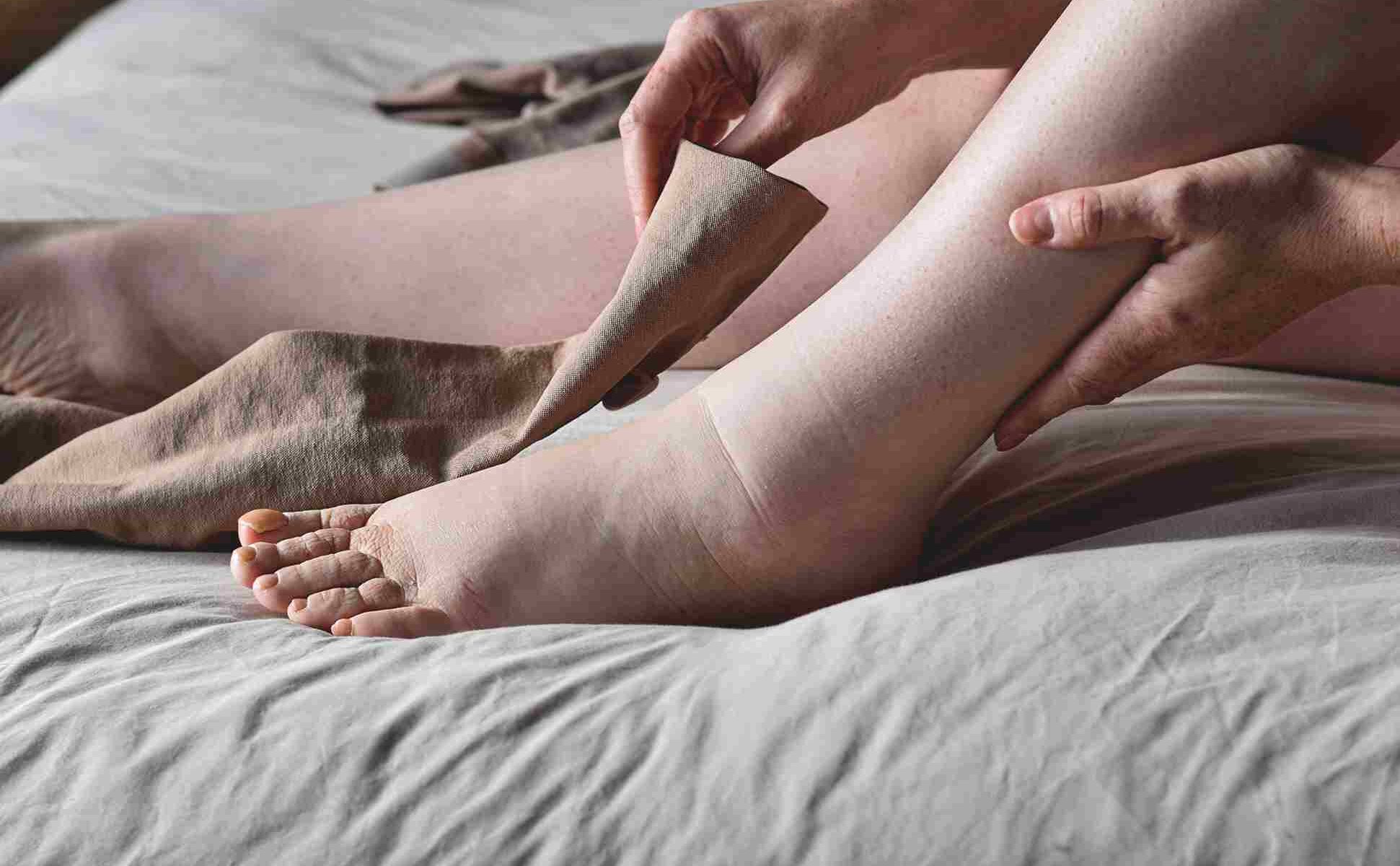
If your bodyโ€™s been feeling a little puffier than usual, especially in your legs, arms, or even your face, it might not just be water weight. Swelling like that is often your lymphatic system asking for help.

Your lymphatic system moves fluid through the body to flush out waste. But when it gets backed up, things slow down, and fluid starts collecting in places it shouldnโ€™t. Thatโ€™s when you notice the swelling, heaviness, and uncomfortable feeling thatโ€™s hard to shake.

Nevertheless, you donโ€™t always need a clinic appointment to get things moving again. There are simple, powerful things you can do at home to support your lymph flow.

In this article, we will break down some real-world self-care ideas that work, starting with the most important one.

Gently Get Moving

You donโ€™t need a hardcore workout to support your lymphatic system. In fact, intense exercise isnโ€™t always ideal if your bodyโ€™s already inflamed or recovering. It would help to think gently and rhythmically.

Short walks, a little dancing in your kitchen, shoulder rolls, neck stretches, and bouncing on the balls of your feet for a few minutes can make a big difference.

The strategic movements help push lymph fluid toward the lymph nodes, where your body can filter and drain it. Consistency matters more than intensity. Thus, just keep moving every day.

Try Massage for Swelling

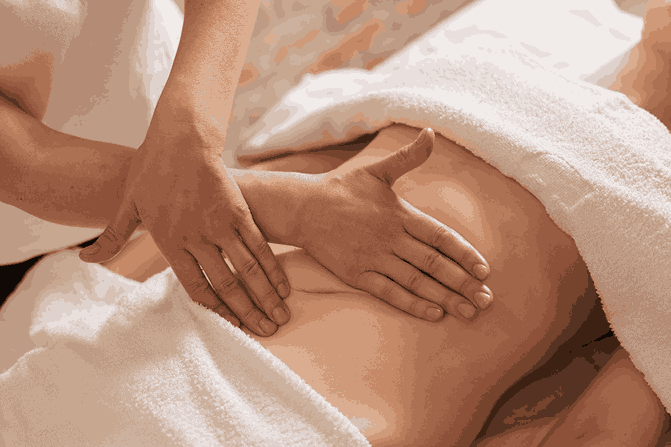
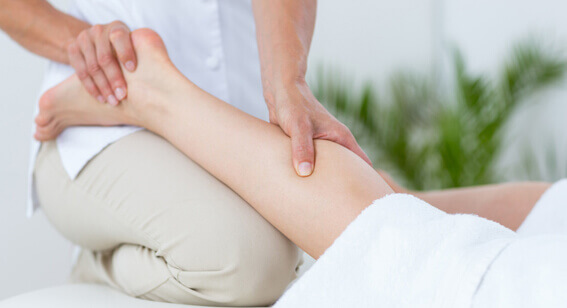
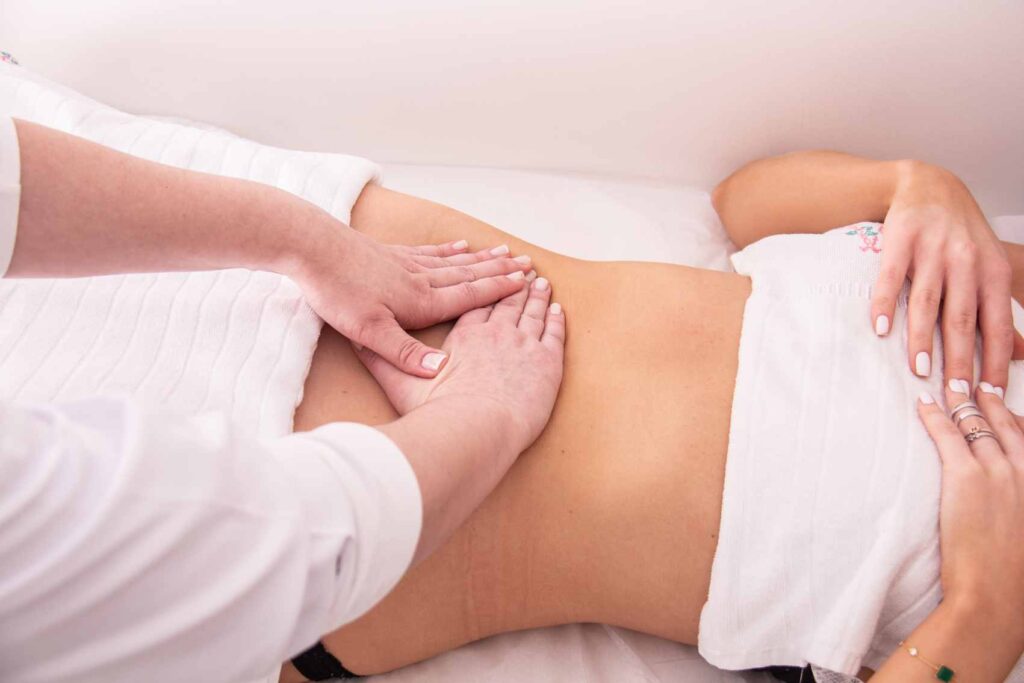
One of the most underrated tools in your toolkit is massage for swelling. Lymphatic massage is different from regular massage. Itโ€™s softer, slower, and intentional. The goal is to avoid deep tissues and encourage fluid to move along the right pathways. Youโ€™re giving the lymph system a little nudge and helping it drain stuck fluid.

Hereโ€™s what you do:

  • Start with clean, dry hands
  • Use a very light pressure, like brushing a cat
  • Always work in the direction of the heart
  • Focus on swollen areas, but donโ€™t ignore the rest of your body

Massage for swelling only takes 5 to 10 minutes a day, and youโ€™ll be surprised how much better you feel after a week. Some people even say their brain fog clears up.

You can also pair massage for swelling with occasional professional sessions. If you’re in Southern California, booking a lymphatic massage San Diego appointment might be a game changer, especially if you’re recovering from surgery or managing long-term swelling.

The Power of Lymphatic Self Care

Lymphatic self care means tuning into how your body feels and giving it support before things get uncomfortable.

When your lymphatic system is overwhelmed, it can show up in more ways than just swelling. Think sluggish digestion, brain fog, skin issues, and random aches. Thatโ€™s why building a simple self-care routine that supports lymphatic flow is such a smart move.

Here are a few ideas:

  • Drink more water than you think you need
  • Take five deep breaths before meals
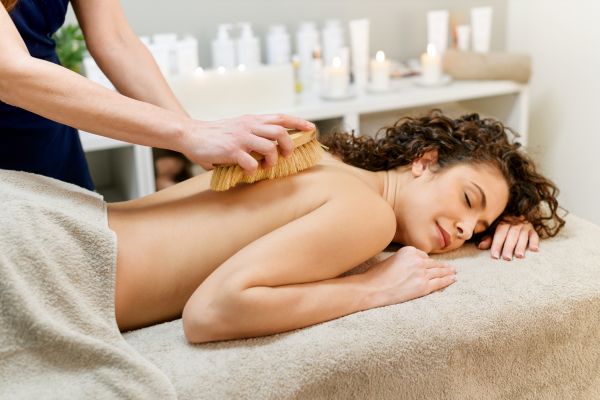
  • Use dry brushing before showers (always brush toward the heart)
  • Elevate your legs after a long day

Support From the Inside Out

Your lymph system runs on water and nutrients. If youโ€™re not feeding it well, itโ€™ll show up in your energy levels and in your skin.

Focus on these foods to help:

  • Leafy greens like kale and arugula
  • Fruits high in water and vitamin C, such as oranges and berries
  • Omega 3s from flaxseeds, chia, or wild salmon
  • Spices like turmeric and ginger to cut inflammation

Elevation and Stillness

After a long day, propping your legs up against a wall for 10 minutes can change your whole evening. Elevation helps gravity do its job, guiding fluid out of your limbs and back into circulation. Pair it with stillness and breathwork.

Try the following activities:

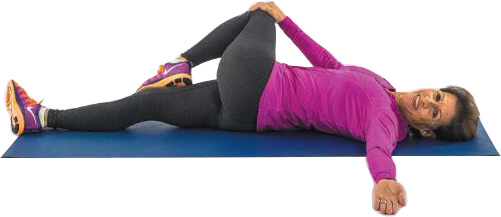
  • Lie on your back
  • Put your feet up (on a wall or pillows)
  • Take slow, deep breaths
  • Stay here for 5 to 10 minutes

Do the above activities a few times a week, especially after travel, long days on your feet, or any time your legs feel heavy. This is simple lymphatic self care everyone can do.

Wear Compression When You Need Extra Help

healthy lymphatic system

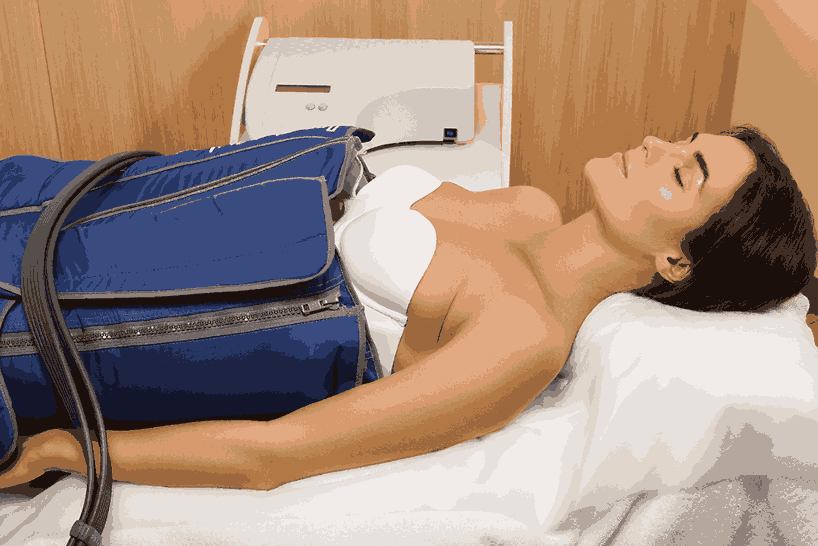
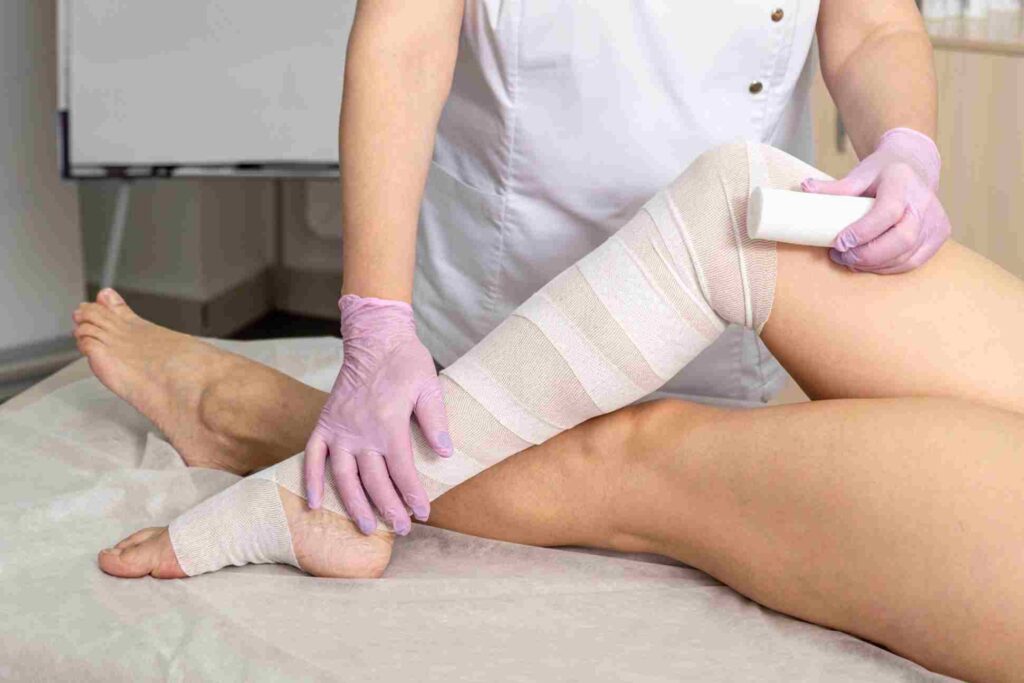
Compression socks, sleeves, or wraps might not look glamorous, but they work, more so if you sit for long periods or stand a lot during the day.

They apply gentle pressure that supports fluid movement and helps prevent swelling before it starts. Use them when you travel or if your job keeps you on your feet.

Breathing Management

Most people donโ€™t realize how powerful deep breathing is for lymph flow. Your diaphragm acts like a pump, and when you take full, slow breaths, youโ€™re literally helping your lymphatic system move fluid.

Try the following once a day:

  • Breathe in through your nose for four seconds
  • Hold for two
  • Exhale through your mouth for six seconds
  • Repeat for five cycles

Bring in the Experts

Sometimes, if swelling is stubborn, painful, or getting worse, itโ€™s smart to call in extra help. A session with a specialist trained in massage for swelling can help move things along faster and give you relief you might not get on your own, especially if youโ€™ve had surgery, struggle with lymphedema, or feel stuck.

Look for someone experienced in lymphatic massage San Diego if youโ€™re in the area. A good therapist will treat the swelling and teach you how to care for yourself between sessions.

Conclusion

Managing lymphatic swelling at home is about simple, real care that fits into your life. A few minutes of massage, extra glasses of water, a short walk, or a deep breath. Start with one small thing, stick with it, and watch what happens.
Importance of Skin Care for Preventing Lymphatic Issues

skin care for lymphedema

Most people think of skin care as something you do for the sake of glowing selfies or to fight off wrinkles. However, the truth is that skin care does more than just make you look good. It plays a major role in how your body handles waste, toxins, and fluid buildup

If youโ€™ve never connected the dots between your skincare routine and your lymphatic system, thatโ€™s okay. But once you understand how tightly theyโ€™re linked, youโ€™ll see why lymphatic drainage skin care actually helps you prevent bigger problems like lymphedema.

What Does the Lymphatic System Do Again?

Your lymphatic system moves a clear fluid called lymph fluid through your body. The fluid carries away toxins, waste, and anything else your body needs to get rid of.

Unlike your heart, which pumps blood automatically, your lymph system relies on movement, such as walking, breathing, stretching, and healthy skin.

So, if swelling, scar tissue, or damaged skin blocks lymph flow, the whole system can slow down. Thatโ€™s where lymphedema can start to creep in. Hence, taking care of your skin is not just about beauty but also about keeping that internal traffic moving.

What Lymphedema Really Feels Like

If youโ€™ve experienced lymphedema, you know how the swelling, discomfort, and tightness make simple movement feel complicated. It can show up after surgery, cancer treatment, or even years later without warning. While itโ€™s manageable, lymphedema is not something anyone wants to deal with.

The good news? Starting solid skin care for lymphedema routine early on can make a difference. Itโ€™s not going to solve everything overnight, but it helps reduce your risk and keeps your skin strong enough to support your lymph system.

So, How Does Skin Care Actually Help?

Healthy skin translates to fewer cracks, less irritation, and better protection against bacteria or infection. On the other hand, dry or damaged skin is like leaving a window open during a storm. Toxic matter can get in. Thatโ€™s when infections happen, and infections can trigger lymphatic flare-ups.

When you practice lymphatic drainage skin care, youโ€™re doing three big things:

  1. Keeping skin moisturized so it doesnโ€™t crack or peel
  2. Reducing inflammation that can slow lymph flow
  3. Creating a protective barrier so the skin doesn’t invite trouble

What a Lymph-Friendly Skin Care Routine Looks Like

lymphatic drainage skin care

You donโ€™t need a shelf full of expensive products to care for your skin. You need simple, clean basics for skin care for lymphedema without irritating it. Hereโ€™s how to keep things simple:

  • Use a gentle cleanser: Skip the foaming face washes that dry you out. You want something that cleans but doesnโ€™t strip.
  • Moisturize like itโ€™s your job: If you’ve had surgery or radiation or are prone to swelling. Keeping the skin soft helps it stretch, breathe, and protect itself.
  • Donโ€™t over-scrub: Light exfoliation once in a while is okay, but if your skin is fragile, go easy.
  • Be kind to your skin. That means protecting it from sunburn, insect bites, and minor cuts. Any little thing can become a bigger deal when your lymph system is under stress.

Thatโ€™s the core of good lymphatic drainage skin care, which doesnโ€™t need to be complicated.

 Choosing the Right Products

Not all creams and lotions are lymph-system friendly. If youโ€™re dealing with swelling or managing a diagnosis, look for lymphedema skin care products that are fragrance-free, non-toxic, and anti-inflammatory. You donโ€™t want anything that clogs pores or irritates the skin further.

Some key ingredients you need to check for include Aloe Vera, Chamomile, Calendula, Vitamin E, and Shea butter.

If a product promises to โ€œtighten,โ€ โ€œplump,โ€ or has a long list of chemicals you canโ€™t pronounce, skip it. Youโ€™re trying to support your lymph system and avoid inflammation.

Thatโ€™s what lymphedema skin care products should be about: function over fluff.

Prevention Beats Treatment

Once lymphedema sets in, you can manage it. However, prevention is much easier and smarter.

Skin care for lymphedema is something you want to start before thereโ€™s swelling, especially if youโ€™re recovering from surgery, dealing with scar tissue, or have a history of lymph node removal.

Think of your skin as your first layer of defense. Keep it healthy, and you make life way easier for your lymph system underneath.

Additionally, the act of caring for your skin daily keeps you aware. Youโ€™ll notice changes sooner, catch swelling before it becomes full-blown, and stay in tune with your body.

More Than Just About the Skin

Thereโ€™s also an emotional side to skincare. Living with lymphatic issues can be frustrating due to swelling, management stress, and discomfort.

Having a routine that feels grounding, gives you a sense of control, and lets you do something kind for yourself every day can shift your mindset. It makes a difference when your care routine doesnโ€™t just feel like treatment but like a ritual. A moment to reconnect with your body.

Lymphatic drainage skin care gives you that space to support your health in a small but powerful way.

Conclusion

Stop thinking of skin care as superficial. When done with intention, it becomes a legitimate part of your health strategy, especially when it comes to your lymphatic system. The surface of your skin can say a lot about whatโ€™s going on underneath. Cracked and irritated skin is a weak spot for infections to sneak in. Dryness and inflammation slow down drainage and cause fluid to build up. Youโ€™re not just moisturizing but giving your lymphatic system one less thing to fight against. So, whether youโ€™re dealing with early signs of swelling or just want to be proactive, investing in the right lymphatic drainage skin care products and building a solid routine is essential.

What Is Clinical Aromatherapy and How Can It Help You Feel Better?

aromatherapy san diego

The scent world has always held power to soothe, awaken, and transport. We light candles in times of rest, add lavender to warm baths, and breathe deeply in nature without fully understanding why we feel better afterward.

But what happens when that quiet influence becomes precise, therapeutic, and clinical? Through this article, youโ€™ll walk into the realm of clinical aromatherapy, where ancient plant wisdom meets modern science, and where your journey toward healing begins with the breath.

What Is Clinical Aromatherapy?

Clinical aromatherapy is a therapeutic discipline grounded in the pharmacology of essential oils. It focuses on how specific compounds extracted from plants interact with your body on a physiological level.

It is evidence-informed practice, often administered by trained healthcare professionals or certified aromatherapists who understand anatomy and pathology. They also understand how oils support healing across body systems, like the nervous system, the skin, and the immune response.

Lavender for anxiety, frankincense for inflammation, and peppermint for nausea are a few examples of how oils can be therapeutic. Think beyond a diffuser; we’re talking targeted application, synergistic blends, and dosage protocols calibrated like medicine.

The treatment is gaining real ground, especially here in San Diego, where integrative health practices are standards.

The Difference Between Clinical and Casual Aromatherapy

Thereโ€™s nothing wrong with using essential oils at home. However, thereโ€™s a world of difference between dabbing eucalyptus on your wrist and working with a clinical aromatherapist trained to blend therapeutic-grade oils into a topical formula that reduces post-surgical swelling or supports lymphatic detoxification.

Clinical aromatherapy assesses and eliminates guesswork. Your health history, allergies, medications, and current symptoms all inform the oils chosen. A clinical practitioner also considers delivery methods, such as inhalation, massage, compresses, and balms, dilution ratios, and contraindications.

Aromatherapy San Diego: Why Location Matters

San Diego has long been a breeding ground for forward-thinking wellness. Here, aromatherapy thrives in hospitals, cancer recovery centers, lymphatic therapy clinics, and even post-surgical rehabilitation facilities.

Essential oils are proving their worth in clinical settings, from reducing stress hormones in ICU patients to improving wound healing and relieving chemo-induced nausea.

If youโ€™re searching for Clinical aromatherapy San Diego offerings that go beyond spa experiences, youโ€™ll find a small but growing network of certified professionals who integrate plant-based therapies into serious healing work.

Conditions Clinical Aromatherapy May Support

While clinical aromatherapy is not a cure, it serves as an adjunct to medical treatment. It may help:

  • Ease anxiety and depression: Certain oils influence the limbic system, regulating emotional response.
  • Relieve chronic pain and inflammation: Oils like Helichrysum and ginger can support circulation and reduce pain perception.
  • Support respiratory health: Eucalyptus, myrtle, and ravintsara may clear congestion and support immune function.
  • Aid in digestion: Peppermint and fennel are classic allies for bloating, IBS, and sluggish digestion.
  • Improve sleep quality: Neroli, sandalwood, and spikenard have natural sedative properties.
  • Assist in lymphatic health: Specific oils support detoxification, fluid movement, and inflammation regulation alongside therapies like manual lymph drainage.

Working with an aromatherapist means your therapy isnโ€™t random. Itโ€™s personalized. That distinction changes everything.

Why Clinical Aromatherapy Is More Than a Trend

clinical aromatherapy

Essential oils are way older than modern medicine; clinical aromatherapy is the structured bridge between ancient plant knowledge and contemporary care.

Its rise is a return to respecting how the body interacts with nature at a molecular level. As clinical trials continue to emerge, hospitals across the U.S. have incorporated them into pain management, emotional support, and palliative care.

The oils haven’t changed, but our understanding of them has. Thatโ€™s why aromatherapy San Diego is finding new homes not only in wellness spas but in oncology wards, mental health clinics, and lymphatic care practices.

Working with a Certified Clinical Aromatherapist

Credentials matter. An aromatherapist is certified, trained in chemistry and safety, and often works in collaboration with other health professionals.

They understand when not to use certain oils, which is as important as knowing when to use them. For example:

  • Hypertension? Avoid rosemary or thyme.
  • Pregnancy? No clary sage or cinnamon.
  • Chemotherapy? Some oils may interact with treatment. Thus, caution is vital.

The right practitioner becomes a partner in your care, not a product seller, but a skilled guide through the healing properties of plants.

Is Clinical Aromatherapy Right for You?

Ask yourself this:

  • Do you feel overstimulated, under-supported, or emotionally depleted?
  • Are you dealing with a chronic condition thatโ€™s poorly managed by traditional means alone?
  • Have you had surgery, are in cancer recovery, or struggle with inflammation, stress, or lymphatic stagnation?

If you answered yes to any of the questions, working with a clinical aromatherapist could open new doors in your wellness journey.

Because sometimes, what the body needs most is not another pill or another protocol. Sometimes, it needs a gentler ally. One who knows how to enter through the breath, move with the blood, and whisper to the nervous system.

Conclusion

In a world of sterile solutions and clinical coldness, clinical aromatherapy reminds us that healing can be tender and medicine doesnโ€™t always have to be harsh to be effective. In San Diego, a city where integrative wellness flourishes, the future of healing smells like bergamot, breathes like eucalyptus, and listens like lavender. Clinical aromatherapy is a quiet revolution in care rooted in evidence, trust, and the timeless intelligence of nature.

The Quiet Power of Healing: Benefits of Post-Surgical Lymphatic Drainage Massage for Faster Recovery

lymphatic massage post surgery

There are two types of recovery after surgery. The first is the one everyone talks about: the prescribed rest, pain medication, and the expected healing timeline. Doctors say six weeks, and you start a countdown. The wound closes, bruises fade, and you’re technically โ€œfine.โ€

Then thereโ€™s the second type, the deeper, slower return to normal that no one prepares you for. The swelling that overstays, the tightness in places you didn’t expect, and the strange weight in your skin.

At this point, your recovery begins at the pace you dictate, and post surgical lymphatic drainage massage San Diego professionals quietly help transform your life, one touch at a time.

Fluid Stagnation is a Problem No One Warned You About

Surgery interrupts lymph flow most of the time. Your lymphatic system is your bodyโ€™s cleanup crew. After surgery, it kicks into high gear to deal with inflammation, cellular waste, excess fluid, and immune responses.

But when that system is overwhelmed or blocked, you end up with swelling called oedema, tenderness, stiffness, and a frustratingly slow healing process.

These occurrences are physics, not medical failure. The lymphatic system canโ€™t drain efficiently since the highways and bypasses are jammed.

Lymphatic massage post surgery helps reopen the routes. Itโ€™s a form of medical therapy, which in skilled hands, is often the difference between healing that lingers and healing that accelerates.

So What Exactly is Post Surgical Lymphatic Drainage Massage?

Most people confuse the post-op lymphatic massage with a typical spa massage. Post surgery lymphatic massage is a light, rhythmic manual technique performed by a trained therapist who understands both anatomy and fluid dynamics.

The touch is gentle but highly intentional, guiding stagnant lymph toward open drainage points so your body can clear, repair, and restore itself.

When done professionally, post surgical lymphatic drainage massage San Diego patients report visible changes in swelling, comfort, and healing within a few sessions.

Why the Massage Matters More Than You Think

A patient who’s had cosmetic, orthopaedic, or abdominal surgery knows the reality: post-op healing is unpredictable.

Fluid pockets, swelling that shifts daily, and scar tissue that tightens. The beautiful healing journey you envisioned often feels trapped beneath layers of bruising and inflammation.

But hereโ€™s where lymphatic massage post surgery becomes a game-changer:

  • Reduces swelling significantly: Instead of waiting for your body to absorb fluid passively, massaging actively moves it through proper channels.
  • Prevents fibrosis: That hard, ropey tissue that sometimes forms after liposuction or tummy tucks? The massage helps prevent it.
  • Speeds up tissue repair: Better circulation means more oxygen, more nutrients, and more efficient healing.
  • Supports your immune system: Because lymph carries white blood cells, improving flow also strengthens your defence.
  • Enhances your results: Swelling can obscure the final look after plastic surgery. The massage brings clarity to the transformation.

Who Really Benefits?

Healing is about function, circulation, and returning to movement with comfort. Itโ€™s easy to assume that therapy is for post-op aesthetic patients only, recovering from facelifts, BBLS, and tummy tucks. Yes, they benefit dramatically. However, the scope is far broader.

If you’ve had:

  • Orthopaedic surgery (knee replacement, shoulder repair)
  • Cancer-related lymph node removal
  • C-sections or abdominal surgeries
  • Reconstructive or trauma-related procedures

Then post surgical lymphatic drainage massage San Diego options should absolutely be part of your recovery plan.

What You Can Expect in a Session

post surgery lymphatic massage

Your therapist begins by assessing your surgical site, mapping your lymphatic pathways, and understanding any limitations or contraindications based on your procedure.

Then begins the work: slow, gentle hand motions, always in the direction of lymph flow, using no oils or deep pressure.

Youโ€™ll feel the surface of your skin shifting, sometimes subtly, sometimes dramatically. Most clients say it feels more like โ€œbeing unblockedโ€ than โ€œbeing massaged.โ€

Why Choose a San Diego Specialist?

In a city where advanced cosmetic and surgical procedures are common, post surgical lymphatic drainage massage San Diego therapists have developed a uniquely high level of skill.

They’re not just massage therapists. Many are certified in MLD (Manual Lymphatic Drainage), trained specifically to handle post-surgical oedema, fibrosis prevention, and delicate scar tissue work.

When you choose a San Diego-based therapist, you’re getting someone fluent in both the art and science of the technique.

How Many Sessions Will You Need?

Thereโ€™s no universal answer, and thatโ€™s the beauty of the therapy. Some patients need 3โ€“5 sessions. Others benefit from 10โ€“15, especially if surgery involved multiple areas or significant tissue disruption.

Your therapist will guide you honestly, based not on profit, but on progress. The earlier you begin after surgery (as approved by your doctor), the better the results.

Healing as an Active Process

Hereโ€™s whatโ€™s missing from most recovery instructions: Healing is not passive. Itโ€™s not just lying down and waiting. Itโ€™s showing up for your body, supporting its systems, listening to its cues, moving fluids, and promoting circulation.

Post surgical lymphatic drainage massage San Diego therapists are part of that support system. They help you heal smarter, faster, and fully.

Not because youโ€™re in a rush, but because you deserve to feel whole again without dragging through weeks of discomfort and uncertainty.

Conclusion

Surgery may be the main act, but recovery is where the real transformation happens, and it doesnโ€™t need to be lonely, slow, or filled with complications. With lymphatic massage post surgery, you’re not just clearing fluid; you’re accelerating healing, restoring balance, and giving your body the circulation it craves. Healing shouldnโ€™t feel like waiting. Instead, it should feel like moving softly, surely, and forward progressively.

Understanding Lymphedema and the Real Power of Physical Therapy

Lymphedema, like any other health disorder, arrives without issuing a warning. It shows up quietly, as a swollen arm, a heavy leg, or a sleeve that used to fit.

At first, you brush it off as water weight or a weird reaction to something. Then it doesn’t go away, and suddenly, youโ€™re living with something you understand so little or nothing about.

The condition is called lymphedema. Itโ€™s misunderstood, underestimated, and, far too often, ignored until it becomes impossible to miss.

Nonetheless, your body hasnโ€™t betrayed you. It just needs a new kind of support, one thatโ€™s precise, gentle, and oddly powerful.

This guide will break down the sophisticated medical jargon surrounding lymphedema and help you understand the real power of physical therapy lymphatic massage.

What Is Lymphedema in Simple Laymanโ€™s Language?

Letโ€™s skip the jargon and say it straight. Your lymphatic system is your bodyโ€™s silent sanitation crew. It moves fluid, waste, and immune cells through vessels thinner than a strand of hair. Until it doesnโ€™t.

When lymph fluids canโ€™t move, because of surgery, radiation, trauma, or a congenital issue, it pools. The tissues swell, skin stretches, and limbs feel heavy, stiff, and sore. Thatโ€™s referred to as lymphedema.

Lymphedema massage physical therapy is not pampering or a spa day. It is therapy done with the sole purpose of getting the flow going again.

Physical Therapy Lymphatic Massage

 Also termed as manual lymphatic drainage (MLD), physical therapy lymph massage is more like choreography than muscle work. Itโ€™s light, deliberate, and follows the natural pathways your lymph takes.

Imagine a therapist guiding invisible rivers beneath your skin, helping them find their way back to open water. Thatโ€™s whatโ€™s happening.

But when itโ€™s done by someone trained in physical therapy, it is no longer a massage or a standalone treatment. Instead, it is part of a strategy, one with compression wraps, personalised movement plans, skin care, and the kind of tracking you’d expect from elite-level coaching.

The Unspoken Power of Therapy

Yes, physical therapy lymphatic massage reduce swelling. It prevents fluid buildup and infections. But its impact? That hits somewhere deeper.

It gives people back parts of themselves they thought were gone, such as:

  • The joy of wearing clothes that fit again
  • The freedom to move without stiffness or strain
  • The confidence to show their body without explaining it

Who Actually Needs This?

If youโ€™ve had lymph nodes removed, cancer treatment involving radiation, or your body is holding fluid in one limb that just wonโ€™t budge, lymphedema massage physical therapy is your new lifeline.

Itโ€™s also ideal for post-surgical healing, especially for procedures like liposuction, facelifts, or tummy tucks. Surgeons in the know will tell you that recovery isnโ€™t just about rest but about flow. Thatโ€™s exactly what MLD treatment restores.

So, whether you’re managing chronic lymphedema or trying to get back on your feet post-op, MLD therapy helps change the recovery game by tipping the odds in your favour.

What Actually Happens in a Session?

Swollen leg due to lymphedema before compression therapy

Your first appointment isnโ€™t awkward or clinical. Youโ€™ll meet with a therapist who actually knows lymph inside out. Theyโ€™ll assess your body, measure swelling, and explain whatโ€™s happening in plain terms.

Then theyโ€™ll begin the massage. Itโ€™s not painful. Not even close. Itโ€™s quiet, slow, and intentional. Some people fall asleep, and others feel oddly emotional because, for the first time in weeks, their bodies feel like they are being understood.

Youโ€™ll probably leave with compression wraps, instructions for care at home, or maybe even a custom garment. Thereโ€™s no one-size-fits-all here; it is tailored therapy.

What You Gain Apart from Relief

Letโ€™s list the real benefits of lymphedema massage physical therapy below.

  • A lighter body (literally, in fluid weight)
  • Improved mobility (no more stiffness every morning)
  • Clothing that fits (you’ll notice it in your sleeves, pant legs, and even shoes)
  • Fewer infections (because lymph stagnation is a breeding ground)
  • A sense of control (when so much else feels out of your hands)

Why Certification Matters and Why You Should Care

Not every therapist is qualified to perform physical therapy lymphatic massage. You want someone whoโ€™s been trained specifically in lymphedema management, preferably a Certified Lymphedema Therapist (CLT).

They don’t just do the massage but also teach you how to live with it, how to manage your body without fear, and how to spot changes early and respond with confidence. You deserve a therapist who treats your lymph flow like it matters, because it does.

Is This a One-Time Thing?

Not exactly. Lymphedema massage physical therapy work best when they are part of a plan. Some people need a few sessions post-op, while others incorporate it as part of lifelong management.

Itโ€™s not about dependency but about rhythm. Youโ€™ll learn how often your body needs support. Youโ€™ll also learn self-massage techniques. Over time, you become your own best therapist, with backup.

Conclusion

We talk a lot about โ€œgoing with the flow,โ€ but when your lymphatic system stalls, that phrase takes on new weight. Flow becomes a goal, a need, and a sign of life moving again. With physical therapy lymphatic massage, you arenโ€™t just reducing swelling but reclaiming balance. You’re reestablishing communication with your body. If youโ€™ve been living in silence, feeling swollen, stuck, or stiff, lymphatic physical therapy can turn the volume back up by flowing.

How Exercise Can Help Manage Lymphedema: Tips and Benefits

lymphedema treatment san diego

Lymphedema reshapes your relationship with your body, dictating what feels comfortable, what swells after activity, what clothes fit, and how energy moves through your limbs. For many, it becomes an unwanted and invisible partner: unpredictable, persistent, sometimes manageable, and often misunderstood.

But what if intentional movement wasnโ€™t the enemy but part of the solution? In San Diego, where integrative therapies flourish and wellness innovation thrives, many clinicians are emphasizing the importance of active lymphedema treatment. One of the most accessible and empowering interventions? Exercise.

Letโ€™s dismantle the outdated advice that movement is risky for lymphedema and explore how exercises for lymphedema can support not just the body, but the autonomy of those living with it.

Understanding the Lymphedema-Exercise Paradox

Lymphedema manifests in the body when the lymphatic system is compromised, typically after lymph node removal, trauma, radiation, or genetic conditions.

The resulting fluid retention in the tissues causes chronic swelling, especially in the limbs, and can lead to heaviness, discomfort, and an increased risk of infection.

Traditionally, the advice was cautious: rest, elevate, and donโ€™t strain the affected limb. Modern lymphedema treatment San Diego now includes structured exercise programs tailored to each individual.

Why? The lymphatic system relies heavily on muscular movement and breathing to function effectively. The lymph has no central pump like the heart. It’s your muscles that move it.

How Exercise Supports Lymphatic Function

When you contract your muscles during exercise, they compress nearby lymphatic vessels. The mechanical action pushes lymph fluid forward, encouraging drainage and reducing stagnation. A strategic and supervised fitness routine, especially when combined with compression garments and manual lymph drainage, has been shown to significantly reduce swelling and discomfort over time. Additionally, controlled movement:

  • Improves circulation
  • Strengthens tissues that support lymphatic vessels
  • Enhances immune function
  • Promotes range of motion and flexibility

The leading centers for lymphedema treatment San Diego now routinely integrate physical therapy and exercise science into their care plans.

The Key Principles of Exercising with Lymphedema

Before diving into a new workout regimen, itโ€™s important to follow principles designed specifically for those managing lymphedema.

Start Low, Go Slow

If you’re new to fitness or after post-operative recovery, begin with low-impact movements. Focus on form, breath, and consistency, not intensity. Consistency is one of the golden rules taught in San Diegoโ€™s top lymphedema treatment programs.

Your lymphatic system responds better to gentle, rhythmic motion than to sudden, high-impact activity.

Incorporate Compression Garments

Wear prescribed compression sleeves or stockings during workouts, unless directed otherwise by your therapist. These garments support lymph flow and prevent rebound swelling during or after activity.

Focus on Symmetry

Balance both sides of the body when exercising. If your right arm is affected, donโ€™t isolate that side entirely. A full-body approach reduces asymmetrical strain and promotes a more uniform lymphatic response.

Recommended Exercises for Lymphedema

exercises for lymphedema

When designed with intention, exercises for lymphedema are profoundly therapeutic. Below are movement categories recommended in comprehensive care environments, such as those offering lymphedema treatment San Diego.

Deep Breathing Techniques

It may seem trivial, but diaphragmatic breathing initiates lymph movement in the thoracic duct, where most lymph drains into the bloodstream.

How to do it:

  • Sit or lie comfortably
  • Breathe in slowly and rhythmically through the nose for 4 seconds, feeling the belly expand
  • Hold for 2 seconds
  • Exhale fully through pursed lips for 6โ€“8 seconds
  • Repeat 10 times, 2โ€“3 times a day

Range of Motion (ROM) Exercises

These are ideal for early-stage lymphedema or post-surgical cases. They involve gentle joint movement, especially the shoulders, elbows, wrists, hips, knees, and ankles, without resistance. These movements form the base of any supervised exercise plan for lymphedema.

Benefits:

  • Prevents stiffness
  • Enhances mobility
  • Encourages lymph flow in stagnant zones

Resistance Training

Once your baseline strength and control are established, adding light weights or resistance bands can strengthen muscles and improve lymph transport.

In top lymphedema treatment facilities across San Diego, resistance training is introduced gradually and under supervision to monitor swelling response.

Start with:

  • 1-3 lb. weights or low-resistance bands
  • 10โ€“15 reps per exercise
  • Focus on major muscle groups, especially on legs, arms, and back

Walking and Water Aerobics

Cardiovascular movement that is low-impact and rhythmic is ideal. Walking, while wearing compression, helps pump lymph from the lower extremities.

Water exercise is even more effective, as hydrostatic pressure acts like full-body compression. Several clinics offering lymphedema treatment San Diego now partner with aquatic centers to provide water-based therapy sessions.

Why it works:

  • Reduces limb weight
  • Increases lymph circulation
  • Lessen joint strain

When to Avoid Exercise

Your therapist will guide you through what’s safe and when. Always listen to your body and consult your care provider before adjusting your routine. There are situations when exercise should be postponed or modified, especially when you have:

ยท  Active cellulitis or skin infections

ยท  Open wounds or non-healed incisions

ยท  Uncontrolled heart or lung conditions

ยท  Severe fatigue or pain flare-ups

Mental and Emotional Benefits of Movement

Lymphedema carries emotional weight, such as frustration, embarrassment, and fatigue. Exercise addresses those unseen layers as well.

Many clients seeking lymphedema treatment San Diego report that movement gave them back a version of themselves they thought was lost.

Regular movement has been shown to:

  • Improve mood through endorphin release
  • Enhance body image and self-esteem
  • Restore a sense of control
  • Reduce anxiety and depression symptoms

Conclusion

Managing lymphedema is a journey defined by attention, consistency, and self-compassion. The body may swell, resist, and ache, but it also adapts, learns, and heals. Exercises for lymphedema offer drainage and rehabilitation, which is a chance to move through life again confidently.

The Benefits of Manual Lymph Drainage for Post-Surgical Care

Manual lymph drainage benefits

Few experiences are more transformative and vulnerable than recovering from surgery. Whether cosmetic, orthopedic, reconstructive, or otherwise, surgery doesnโ€™t just alter the body; it provokes a cascade of physiological responses.

Such ordeals include inflammation, swelling, tissue trauma, and emotional exhaustion. The aftermath can be daunting, even more so when the body feels foreign or stagnant.

Thatโ€™s precisely where manual lymph drainage becomes necessary, not as a luxury, but as a medically relevant modality that encourages intelligent healing. When applied with clinical intent and therapeutic precision, manual lymph drainage benefits the body by accelerating recovery, reducing swelling, and enhancing internal balance in ways that medications and rest alone cannot.

This article will strip away the spa terminology and approach it from a clinical perspective. What exactly is manual lymph drainage (MLD), and why is it essential for post-surgical care?

What is Manual Lymph Drainage?

Manual lymph drainage is a highly specialized therapeutic technique developed to stimulate the lymphatic system. MLD, unlike traditional massage, doesnโ€™t rely on deep pressure or muscle manipulation. Instead, it uses precise, rhythmic, and directional strokes that promote the natural flow of lymph fluid in your body.

The lymphatic system is our internal drainage network that transports lymph, a clear fluid containing white blood cells, proteins, and waste products, away from tissues and into lymph nodes for processing.

The Benefits of Manual Lymph Drainage

Targeted Fluid Reduction After Surgery

Post-operative swelling is a biological response that, if unmanaged, can prolong healing, increase pain, and interfere with mobility. Post-surgical lymphatic drainage massage offers a gentle and effective way to reduce the excess fluid.

By stimulating lymphatic vessels just beneath the skin, the therapist manually redirects stagnant lymph into functioning pathways. Unlike mechanical compression or draining medications, MLD respects the bodyโ€™s natural rhythms without forcing unnatural evacuation.

Surgeons are increasingly recommending manual lymph drainage as part of their post-op protocols, especially following:

  • Liposuction
  • Tummy tucks
  • Facelifts
  • Breast augmentations or reductions
  • Orthopedic surgeries

Pain Reduction Without Dependency

Swelling isnโ€™t the only discomfort after surgery. There’s also soreness, nerve sensitivity, and sometimes deep tissue stiffness. Here’s where manual lymphatic drainage massage benefits shine beyond the obvious. By improving lymphatic flow and reducing interstitial pressure in the tissues, MLD can:

  • Minimize nerve compression
  • Promote gentle analgesic effects
  • Soften fibrotic tissues

Most importantly, MLD fends off post-op pain without introducing pharmacological side effects. For patients seeking holistic or opioid-free recovery paths, MLD is a critical distinction. When managed properly, post-surgical lymphatic drainage massage may reduce reliance on pain medications altogether.

Accelerated Recovery Time

Time, after surgery, translates to mental health, work reintegration, emotional recovery, and identity restoration.

The body doesnโ€™t heal faster just because we wish it to. It needs support systems, such as nutritional, circulatory, and immunological systems.

The lymphatic system is central to all three, and without proper lymph flow, the body cannot clear cell debris, damaged proteins, or metabolic waste efficiently.

Clinical studies have shown that patients receiving post-surgical lymphatic drainage massage experience:

  • Faster incision healing
  • Decreased scar tissue formation
  • Reduced post-op fatigue
  • Enhanced mobility and circulation

Minimizing the Risk of Fibrosis and Seroma Formation

Post-surgical lymphatic drainage massage

If youโ€™ve ever seen hard lumps or fluid pockets form under the skin after surgery, that might be the onset of fibrosis or a seroma. Both are common, yet preventable complications.

Manual lymph drainage benefits include proactively reducing the risk of such occurrences. The technique addresses congested tissue areas before fibrosis sets in, softens collagen buildup, and encourages the fluid to redistribute through natural lymphatic channels.

For people undergoing high-volume liposuction or operations with large incision zones, the MLD benefit cannot be overstated. Proper lymphatic flow ensures surgical artistry remains visible and lasting.

Supporting Immune Function and Detoxification

Surgery takes a physical toll and weakens the immune system temporarily. Lymph nodes are vital in immune defense, filtering out pathogens, cellular waste, and excess proteins.

Manual lymphatic drainage massage benefits immune function by mobilizing lymph fluid through these checkpoints. It may not “boost” the immune system dramatically, but it helps restore balance and remove waste.

Cleaning your system is important for patients’ healing in sterile and low-activity environments. When movement is restricted, the lymphatic system requires external support. MLD becomes a stand-in for natural mobility and breath work, helping to keep immune function on track.

Psychological and Emotional Restoration

Healing is very different from mechanical processes. Every incision, drain, and compression garment has an emotional counterpart. Recovery is deeply personal and involves mourning, hope, confusion, and sometimes identity shifts, especially after cosmetic or reconstructive surgery.

The gentleness of MLD has an emotional resonance that tells the body, โ€œYou are safe nowโ€. It allows for relaxation, presence, and calm in a recovery process often defined by clinical coldness.

There is something therapeutic about being touched gently, intentionally, and with purpose when your body feels foreign. Manual lymph drainage benefits extend beyond lymph and touch the psyche.

Post-surgical lymphatic drainage massage has been proven to:

  • Reduce post-op anxiety
  • Support body acceptance
  • Improve sleep during recovery
  • Restore a sense of touch to areas previously avoided

Who Should Perform MLD?

Not all massages advertised as โ€œlymphaticโ€ are truly MLD. True manual lymph drainage follows a defined medical protocol. Therapists must be certified in Vodder, Foldi, or Leduc techniques (among others) and trained specifically in post-surgical anatomy and contraindications. A spa therapist without a proper therapeutic background could inadvertently cause harm or delay healing.

If youโ€™re seeking manual lymph drainage benefits, vet the provider like you would your surgeon. Precision matters.

Conclusion

Oftentimes, recovery becomes passive. We rest, wait, and assume the body will bounce back because โ€œit always does.โ€ However, true healing is participatory, informed, and proactive. Manual lymph drainage is not just a spa add-on or a trendy wellness gimmick. Itโ€™s a clinically informed practice that leverages the bodyโ€™s most overlooked system to restore vitality, reduce pain, and preserve the results youโ€™ve invested in. So, whether you’re healing from liposuction, recovering from reconstructive surgery, or navigating the swelling and fatigue of post-operative life, manual lymph drainage benefits are worth exploring, strategically, skillfully, and with the respect your body deserves.

How Often Should You Get Lymphatic Drainage Massage? A Comprehensive Guide

Dry Brushing with Self Lymphatic Drainage Massage

If youโ€™ve had knee or hip surgery, are managing lymphedema, or are undergoing treatment for lipedema, including lymph-sparing lipedema surgery, lymphatic drainage massage can be a powerful tool for your recovery and symptom management. This gentle yet powerful massage promotes lymph flow, reduces inflammation, and relieves pain, making it essential for people dealing with these conditions. But a common question is: How often should you get a lymphatic massage?

Struggling with swelling, fatigue, or post-surgery recovery?

Book your personalized lymphatic drainage session today and experience natural, therapeutic healing that restores balance and promotes long-term wellness.

Book an Appointment

In this guide, we’ll explore the benefits of lymphatic drainage massage and the recommended frequency of lymphatic massage for lymphedema, post-surgical care, and lipedema, to help you find the right balance for your healing journey.

How Lymphatic Drainage Massage Helps

lymphatic drainage

Lymphatic drainage massage stimulates the lymphatic system, which is responsible for removing waste, toxins, and excess fluid from the body. When the lymphatic system becomes compromisedโ€”whether from surgical interventions,  conditions like lymphedema, or lipedemaโ€”fluid can build up in the tissues, causing swelling, pain, and inflammation.

Lymphedema: This condition occurs when the lymphatic system is damaged or blocked, leading to chronic swelling, often in the arms or legs.

Lipedema: A chronic disorder of fat metabolism, often affecting the legs and hips. Lymph-sparing lipedema surgery is sometimes used to remove excess fat tissue while preserving the lymphatic system. Both lipedema and its surgery require careful management of the lymphatic system to prevent complications.

For both conditions, regular lymphatic massage helps to reduce swelling, alleviate pain, and decrease inflammation, improving overall comfort and mobility.

Post-Surgery: How Often Should You Get Lymphatic Drainage Massage?

If you’ve had esthetic surgery, knee or hip surgery or lymph-sparing lipedema surgery, consistent lymphatic drainage massage is crucial for your recovery. The frequency of lymphatic massage depends on the type of surgery, the extent of swelling, and your bodyโ€™s healing response.

Facial Surgery: After procedures like facial or reconstructive surgery, the lymphatic system can become sluggish, leading to swelling in the face and neck. In the first few weeks, you will benefit from lymphatic drainage massage 2-3 times per week to manage swelling and reduce discomfort. As the swelling subsides, you can decrease to once a week, and then taper down as needed. Your certified lymphatic therapist (CLT) will advise you

Lymph-Sparing Lipedema Surgery: After lipedema surgery, itโ€™s essential to support the lymphatic system to prevent fluid buildup. Many patients start with lymphatic massage 3 times per week during the early recovery phase. This frequency can be adjusted depending on how your body responds, gradually tapering down as swelling decreases.

Managing Lymphedema and Lipedema: How Often is Enough?

For those living with chronic lymphedema or lipedema, ongoing lymphatic massage can be a critical part of your care routine. The frequency of lymphatic massage for these conditions depends on the severity of your symptoms:

Lymphedema: In the early stages of managing lymphedema, itโ€™s common to receive lymphatic drainage massage 2-5 times a week, depending on the stage of the lymphedema. Once the condition is stable, many people maintain results with sessions every 2-4 weeks.

Lipedema: Because lipedema can lead to fat deposits and inflammation that impair lymphatic function, regular lymphatic massage is highly beneficial. Patients often start with 2-3 sessions per week to reduce fluid retention, inflammation, and pain. Once symptoms are under control, monthly maintenance sessions may be sufficient.

Reducing Inflammation and Pain with Lymphatic Massage

Both lymphedema and lipedema cause chronic inflammation and discomfort. Lymphatic drainage massage works to reduce this inflammation by promoting proper fluid flow and helping the body remove waste products. By keeping the lymph moving, lymphatic massage can prevent stagnation that exacerbates inflammation and pain.

For those recovering from surgery, the reduction of inflammation is particularly important. When the body is less inflamed, healing accelerates, and post-surgical pain and swelling are minimized. Lymphatic massage not only supports physical recovery but also helps manage post-operative discomfort.

Tailoring Your Treatment Plan

While general recommendations are helpful, your bodyโ€™s needs may vary. The frequency of lymphatic massage should be tailored to how your body responds to the treatments. Some people with severe swelling or pain may require more frequent sessions initially, while others may find that once-weekly maintenance is enough once their symptoms are under control.

Consult with your healthcare provider and a certified lymphatic therapist (CLT) to determine the best plan for your condition, whether youโ€™re recovering from surgery, managing lymphedema, or treating lipedema.

Why Regular Lymphatic Drainage Massage is Essential

Consistency is key to the success of lymphatic drainage massage. Regular sessions help maintain the flow of lymph fluid, preventing buildup, reducing pain, and limiting the progression of swelling. Whether youโ€™re dealing with post-surgical recovery, chronic lymphedema, or lipedema, sticking to a regular lymphatic massage schedule can make a significant difference in your overall health and comfort.

At Lymphatic Therapy Services, we specialize in personalized lymphatic therapy, including post-surgical care and the management of lymphedema and lipedema. Our team of trained therapists can help you find the right frequency of lymphatic massage based on your unique needs and goals.

Book Your Lymphatic Massage Today

Whether you’re recovering from Facial surgery, liposuction, knee or hip surgery,  undergoing treatment for lipedema, or managing lymphedema, regular lymphatic drainage massage can help decongest the tissue and help with your mobility.

 Contact us today to schedule a consultation and create a personalized treatment plan that supports your healing and long-term wellness.

 Contact us today to schedule a consultation and create a personalized treatment plan that supports your healing and long-term wellness.

Understanding the Lymphatic System: A Comprehensive Guide

Lymphatic Therapy Services

The lymphatic system is one of the bodyโ€™s key systems, playing an essential role in maintaining health. It is responsible for detoxification, fluid balance, and immune defense. Letโ€™s dive deeper into the functions of the lymphatic system process and the critical role that lymph nodes play in keeping you healthy.

What Are Lymph Nodes?

Therapist performing Lymph Nodes treatment on leg

Lymph nodes are small, bean-shaped structures located throughout the body, primarily in the neck, armpits, chest, abdomen, and groin. These nodes act as vital checkpoints within the lymphatic system. They filter lymph fluid as it moves through the body, removing harmful substances like bacteria, viruses, and abnormal cells, including cancer cells.

Struggling with swelling, fatigue, or post-surgery recovery?

Book your personalized lymphatic drainage session today and experience natural, therapeutic healing that restores balance and promotes long-term wellness.

Book an Appointment

Each lymph node contains immune cells such as lymphocytes (T-cells and B-cells), which are designed to identify and fight infections. When your body detects an infection, your lymph nodes may swell as they produce more immune cells to combat the threatโ€”a condition often referred to as “swollen glands.”

Functions of the Lymphatic System for Health

The lymphatic system is essential for many aspects of health, including detoxification, fluid balance, and immune support. Hereโ€™s a closer look at how the lymphatic system’s process contributes to your well-being:

1. Detoxification and Waste Removal

One of the most critical roles of the lymphatic system is detoxifying the body. Every day, your cells produce waste products, and your body is exposed to environmental toxins. The lymphatic system works to collect this waste from tissues and transport it through lymph vessels to lymph nodes for filtering.

Once filtered, the waste is eventually removed from the body through the bloodstream and eliminated via the kidneys, liver, or skin. Without the proper functioning of the lymphatic system, toxins and waste products would build up, potentially leading to chronic inflammation and disease.

2. Maintaining Fluid Balance

Fluid balance is vital to the bodyโ€™s homeostasis, and the lymphatic system plays a key role in maintaining this balance. As blood circulates through the body, it leaks fluid (plasma) into tissues. This fluid, which contains oxygen and nutrients, is essential for nourishing cells, but excess fluid must be removed to prevent swelling (edema).

The lymphatic system process collects this excess fluid and proteins from tissues, returning them to the bloodstream, ensuring a balanced fluid environment. If the lymphatic system is impaired, fluid can accumulate in tissues, causing swelling and discomfort, a condition often seen in lymphedema.

3. Boosting the Immune System

The lymphatic system is a central part of the immune system. As lymph fluid passes through lymph nodes, immune cells (like lymphocytes) are on constant alert, ready to identify and attack harmful invaders such as bacteria, viruses, and abnormal cells. The lymphatic system process allows these immune cells to be transported to infection sites quickly, ensuring a robust immune response.

Moreover, the lymphatic system works in concert with other parts of the immune system to recognize pathogens and create memory cells that prevent future infections. This function is critical for long-term immune health and the bodyโ€™s ability to protect itself from diseases.

The Importance of Lymph Nodes in Immune Defense

Lymph nodes act as the body’s filtering stations. When a pathogen is detected, the lymph nodes activate immune cells to fight off the infection. Infections, cancers, or inflammation can cause lymph nodes to swellโ€”a sign that the body is fighting off an issue.

Hereโ€™s a breakdown of key lymph node areas:

Cervical lymph nodes: Found in the neck, they help fight infections in the head and throat.

Axillary lymph nodes: Located in the armpits, they filter lymph from the arms, chest, and breasts.

Inguinal lymph nodes: Found in the groin, they help drain lymph from the lower abdomen, pelvis, and legs.

Healthy lymph node function is critical to managing immune responses and preventing infections from spreading throughout the body.

Why the Lymphatic System is Critical to Overall Health

Therapist performing lymphatic drainage massage on leg

To sum up, the lymphatic system is vital to overall health for several reasons:

Detoxification: It removes toxins and waste from the body, ensuring cellular health and preventing the buildup of harmful substances.

Fluid Balance: By managing excess fluid in tissues, the lymphatic system prevents edema and keeps tissues healthy.

Immune System Support: It filters out harmful invaders and helps activate the immune response, playing a key role in fighting infections and diseases.

Without a well-functioning lymphatic system, our bodies would struggle to remove waste, maintain fluid balance, and defend against infections, which can lead to a host of health problems, from chronic inflammation to serious diseases.

How to Keep Your Lymphatic System Healthy

Supporting the health of your lymphatic system can greatly enhance your overall wellness. Here are a few tips to maintain optimal lymphatic function:

Exercise regularly: Physical movement encourages lymph flow and helps prevent stagnation.

Hydrate: Drinking enough water is essential for keeping lymph fluid moving efficiently.

Eat a healthy diet: Antioxidant-rich foods, fiber, and healthy fats reduce inflammation and support detoxification.

Try lymphatic massage: Manual lymph drainage (MLD) helps stimulate the lymphatic system process, reducing swelling and promoting fluid movement.

At Lymphatic Therapy Services, we offer a range of therapies designed to support your lymphatic system, including manual lymph drainage and personalized detox programs. Whether youโ€™re seeking to boost your immune system, improve fluid balance, or detoxify your body, we can help keep your lymphatic system in top shape.

Understanding Lymphedema: Causes, Symptoms, and Treatment Options

lymphatic therapy services

Lymphedema is a condition that affects millions of people worldwide, but many still aren’t aware of its signs and symptoms until it becomes a major concern. Here at Lymphatic Therapy Services, our goal is to help you understand what lymphedema is, what causes it, and the best lymphedema treatment options available so you can manage your condition and live more comfortably.

What is Lymphedema?

lymphedema symptoms and signs

Lymphedema occurs when the lymphatic system isnโ€™t working properly, leading to a buildup of fluid in the tissues. This fluid causes swelling, most often in the arms or legs, but it can also affect other parts of the body. Itโ€™s important to recognize the lymphedema symptoms and signs early so you can seek treatment and prevent the condition from getting worse.

Common Lymphedema Symptoms and Signs

Recognizing lymphedema symptoms and signs is the first step to getting the right care. Some common indicators include:

 Swelling: Usually in the arms or legs, but sometimes in the chest, back, or other areas.

Heaviness or Tightness: A feeling of pressure or fullness in the affected area.

Discomfort or Pain: The swollen area may feel tender or painful.

Skin Changes: The skin can become hard, thick, or start to feel tight. There may even be fluid leakage from the skin. 

Limited Mobility: The swelling can make it difficult to move the affected limb.

If you’re noticing any of these lymphedema symptoms and signs, it’s essential to get help from a specialist who can offer the best lymphedema treatment options.

What Causes Lymphedema?

Lymphedema can develop for a variety of reasons. Sometimes itโ€™s a condition you’re born with (known as primary lymphedema), but more often, it’s caused by damage to the lymphatic system from surgery, infection, or radiation (known as secondary lymphedema). Cancer treatments, in particular, can increase the risk of developing lymphedema. Untreated venous insufficiency can lead to serious complications, including the development of a combined venous and lymphatic disorder. When venous insufficiency progresses, it can affect the lymphatic system, causing swelling and fluid buildup similar to lymphedema symptoms and signs. This combined disorder is typically treated conservatively in much the same way as lymphedema.

Lymphedema Treatment Options

Lymphedema Treatment on leg by Doctor

While there isnโ€™t a cure for lymphedema, there are many lymphedema treatment options that can help you manage the condition and reduce symptoms. At Lymphatic Therapy Services, Linda Anne Kahn and her expert team specialize in providing personalized care and effective treatments to improve your quality of life. Here are some of the top lymphedema treatment options we offer:

Manual Lymphatic Drainage (MLD): This gentle massage technique helps move fluid away from swollen areas, reducing pressure and discomfort.

Compression Therapy: Specially designed garments or bandages are used to prevent fluid buildup and control swelling.

Remedial Exercises: These movements are designed to improve circulation and encourage lymph flow.

Skin Care: Keeping the skin clean and moisturized helps prevent infections, which are more common with lymphedema.

Integrative Approaches: Linda also incorporates clinical aromatherapy, nutrition, lymphatic cupping, laser, and other natural remedies into her care plans.

By combining these effective lymphedema treatment options, our team at Lymphatic Therapy Services creates a comprehensive plan tailored to your needs, ensuring the best results.

Why Trust Lymphatic Therapy Services for Lymphedema Care?

Linda Anne Kahn and her team at Lymphatic Therapy Services are true experts when it comes to lymphedema management. With over 40 years of experience, Linda Anne is renowned for her integrative and highly personalized approach. She not only addresses the lymphedema symptoms and signs but also provides ongoing care that focuses on long-term health and wellness.

From customized manual lymphatic drainage techniques to advanced skincare solutions, we offer a full range of lymphedema treatment options that go beyond the basics. You can trust Linda Anne and her team to give you the tools and treatments you need to live more comfortably and confidently.

If you or someone you know is experiencing lymphedema symptoms and signs, donโ€™t wait. Get in touch with us today to learn more about our lymphedema treatment options and start your journey to better lymphatic health!