
Understanding the Progression of Lyme Disease for San Diego Residents

Early Lyme disease bullโ€™s-eye rash on leg showing erythema migrans from an infected tick bite

Lyme disease is contracted and spread through the bite of an infected tick. Tiny black-legged ticks bite and pass on bacteria, causing the infection. Lyme disease affects your skin, joints, heart, and sometimes your brain. It starts with mild symptoms and gets worse if not treated early.

Knowing about the different Lyme disease stages helps you understand how the illness grows and changes in your body over time. This article discusses the signs to watch for, Lyme disease progression, and why early diagnosis is important, especially for people living in San Diego, where ticks are common.

What are the Stages of Lyme Disease and How Do They Progress?

The stages of Lyme disease are the early localized, early disseminated, and late disseminated stages. Lyme disease progression happens as the infection spreads through the body if left untreated, moving from the initial site of the bite to other organs and systems. Each stage has different symptoms and risks, making it important to recognize and treat the disease early.

Early Localized Lyme Disease: Initial Infection and Symptoms

Early localized Lyme disease is the first stage that occurs days to weeks after a tick bite. At this point, bacteria multiply near the bite site, causing a distinctive red rash shaped like a bullโ€™s-eye called erythema migrans. This rash is a key sign, but it may not appear in everyone.

People can also experience flu-like symptoms such as fever, chills, headache, and muscle aches. The infection is still confined mainly to the skin during this stage, making it easier to treat. Prompt antibiotic therapy is effective and can prevent the disease from progressing further. Recognizing these early signs is critical since early localized Lyme disease begins the progression of Lyme disease.

Early Disseminated Lyme Disease: Spread of Infection in the Body

If early localized Lyme disease is untreated, the infection can spread throughout the body, entering the early disseminated stage. This occurs weeks to months after the initial tick bite. During this phase, the bacteria reach the heart, nervous system, and other organs, causing new symptoms.

Patients may develop multiple rashes, facial palsy (weakness or drooping on one side of the face), severe headaches, or heart irregularities such as Lyme carditis. Other common signs include fatigue, joint pain, and swelling.

Because the bacteria are spreading, symptoms may seem unpredictable or come and go. Early disseminated Lyme disease requires timely medical attention to prevent serious long-term issues and helps illustrate why understanding Lyme disease progression is so important.

Late Disseminated Lyme Disease: Chronic Symptoms and Complications

Late disseminated Lyme disease represents the final stage and appears months to years after the initial infection if it remains untreated. At this point, the bacteria have caused widespread damage, particularly to joints and the nervous system.

Chronic symptoms may include persistent joint pain or swelling in the knees, neurological problems such as memory issues, numbness, difficulty concentrating, and heart problems. Some individuals may experience fatigue and muscle weakness long after treatment begins.

This stage severely affects a personโ€™s quality of life if not addressed promptly. Understanding the severity of late disseminated Lyme disease highlights the need for early recognition of Lyme disease stages to stop progression before serious harm occurs.

How to Recognize Symptoms at Each Stage of Lyme Disease

The symptoms of Lyme disease vary across its stages. In early localized Lyme disease, symptoms mainly include a rash and flu-like signs. As the disease progresses to the early disseminated stage, symptoms become more diverse and can affect the nervous system and heart.

Late disseminated Lyme disease brings chronic symptoms such as joint pain and cognitive issues. Recognizing these symptoms early in each stage is vital to managing the disease and avoiding complications.

Identifying the Early Erythema Migrans Rash and Flu-like Symptoms

The earliest and most common symptom in the first stage of Lyme disease is the erythema migrans rash. This rash is round and expands over days, sometimes resembling a bull’s-eye, although it can vary in appearance. It appears at the tick bite site within 3 to 30 days.

Alongside the rash, many people experience flu-like symptoms such as fever, chills, headache, fatigue, muscle aches, and swollen lymph nodes. These symptoms indicate the bodyโ€™s immune response to the bacteria. Early recognition of these signs is crucial, as antibiotics started during this stage can stop further Lyme disease progression and prevent long-term effects.

Neurological and Cardiac Symptoms in the Disseminated Stage

In the early disseminated stage, symptoms become more serious as the infection spreads through the bloodstream to different body parts. Neurological signs may include facial palsyโ€”weakness or drooping on one side of the faceโ€”severe headaches, neck stiffness, and sometimes numbness or tingling in the limbs.

Struggling with swelling, fatigue, or post-surgery recovery?

Book your personalized lymphatic drainage session today and experience natural, therapeutic healing that restores balance and promotes long-term wellness.

Book an Appointment

Cardiac symptoms like irregular heartbeat or palpitations, known as Lyme carditis, may also occur. Fatigue and muscle or joint pain become common. These symptoms reflect lymph disease progression beyond the initial site and need prompt evaluation and treatment to avoid permanent damage to the nervous system or heart.

Joint Pain, Cognitive Issues, and Long-term Effects in the Late Stage

Late disseminated Lyme disease stage presents with ongoing joint pain, especially in the knees. This arthritis becomes chronic and severely limits mobility. Neurological symptoms such as memory problems, numbness, difficulty concentrating, or tingling may also appear or worsen.

Some individuals suffer from persistent fatigue, sleep difficulties, or mood changes. These long-term effects are the result of Lyme disease progression that was not treated or controlled earlier. Timely treatment in earlier stages prevents these chronic complications, emphasizing the importance of recognizing symptoms at every stage.

Why Early Diagnosis and Treatment are Crucial in Lyme Disease

Close-up of cheek with redness and visible irritation showing symptoms of rosacea or skin inflammation

Early diagnosis and treatment are crucial in Lyme disease because they stop the infection before it spreads and causes serious damage. Treating Lyme disease promptly helps prevent symptoms from worsening or becoming chronic.

It also reduces long-term complications affecting the joints, heart, and nervous system. Early care lowers the chances of expensive, lengthy treatments later on.

How Timely Antibiotic Treatment Prevents Disease Progression

Early antibiotic treatment during the initial Lyme disease stages is key to preventing the infection from advancing to more severe phases. Antibiotics promptly kill the Borrelia bacteria before they spread beyond the skin to the heart, nervous system, or joints.

This stops Lyme disease progression and reduces symptoms quickly. Delayed treatment may mean more intense symptoms and longer recovery times.

The Role of a Lyme Disease Treatment Center in San Diego

A specialized Lyme disease treatment center in San Diego is important in managing all Lyme disease stages and progression. These centers have expertise in recognizing symptoms early and providing accurate testing, which can sometimes be challenging. They offer personalized treatment plans depending on the stage of infection and the individual’s needs.

Such clinics also provide follow-up care to monitor recovery and address any ongoing symptoms. For San Diego residents, access to a local treatment center helps ensure prompt diagnosis and effective management to prevent Lyme disease progression and improve overall outcomes.

Conclusion

Lyme disease stages show how the infection changes and worsens if not treated quickly. Understanding Lyme disease progression helps you recognize symptoms early, seek proper care, and avoid serious complications.

Early diagnosis and treatment are the best ways to protect your health and stop the disease from advancing. If you live in San Diego and think you might have Lyme disease symptoms, do not hesitate. Reach out to a healthcare provider or Lyme disease treatment center right away. Taking action early can make all the difference in your recovery and long-term well-being.

FAQโ€™s About Lyme Disease

Can Lyme disease skip stages or show overlapping symptoms?

Lyme disease progression usually follows distinct Lyme disease stages, but it can sometimes show overlapping symptoms, making it hard to identify a clear stage. Some people may experience symptoms from multiple stages simultaneously, especially if treatment is delayed.

While the disease rarely skips stages entirely, the symptoms’ timing and severity can vary, so understanding Lyme disease progression helps recognize and manage such cases effectively.

What are the most common neurological symptoms of Lyme disease?

Common neurological signs include facial palsy (muscle weakness on one side of the face), severe headaches, neck stiffness, numbness, tingling sensations, and sometimes memory or concentration difficulties.

Neurological symptoms appear during the early disseminated and late Lyme disease stages as part of Lyme disease progression. These symptoms indicate the bacteria have affected the nervous system and highlight the importance of early diagnosis in preventing serious complications.

Can untreated Lyme disease cause permanent health problems?

Yes, untreated Lyme disease can lead to permanent health problems due to continued Lyme disease progression through its stages. Without timely treatment, the infection can cause chronic joint pain, neurological issues like memory loss or numbness, and heart complications. Early recognition and treatment of Lyme disease stages are crucial to improving recovery chances and preventing long-term damage.

How is Lyme disease diagnosed if symptoms vary widely?

Diagnosing Lyme disease requires careful evaluation because symptoms often overlap or vary across Lyme disease stages. A Lyme disease specialist San Diego relies on patient history, possible tick exposure, symptom patterns, and blood tests to detect the bacteria.

Understanding Lyme disease progression helps providers interpret test results and symptoms together, ensuring accurate diagnosis despite varied clinical presentations. Early diagnosis is key to effective treatment.

Dercumโ€™s Disease in California Residents: How It Shows Up and What to Know

Two human arms with swelling and uneven skin texture, showing painful fatty lumps commonly seen in Dercumโ€™s disease.

Dercum’s disease is characterized by painful fatty growths called lipomas that appear under the skin. The exact causes of Dercum’s disease remain unclear but usually involve neurologic and endocrine system dysfunction, as well as possible genetic and inflammatory factors. These underlying causes contribute to painful fatty masses, affecting the limbs and trunk.

People with dercumโ€™s disease symptoms notice chronic pain, fatigue, swelling, and cognitive difficulties that interfere with daily activities. The condition gradually worsens, causing significant discomfort and reduced mobility. Recognizing these early signs is essential to seek timely treatment for Dercum’s disease, which can improve symptoms and quality of life.

This article will explore the common symptoms, causes, and treatment options available to California residents, providing valuable insights for those affected or concerned about this challenging condition.

What are the Symptoms of Dercumโ€™s Disease among Californians

The symptoms of Dercumโ€™s disease include common painful fatty growths (lipomas), fatigue, swelling, cognitive effects, and varying degrees of chronic pain. These Dercumโ€™s disease symptoms affect patients differently but lead to considerable discomfort and a decline in quality of life.

Common Painful Fatty Growths (Lipomas) and Their Physical Impact

A hallmark of Dercum’s disease symptoms is the presence of multiple painful fatty lumps or lipomas, which develop under the skin. These lipomas vary in size and are usually tender or painful when touched. Located mainly on the limbs and trunk, these growths restrict movement and cause pressure on surrounding tissues, nerves, and blood vessels.

The physical impact of these lipomas leads to stiffness and difficulty in performing everyday activities. Early identification of these symptoms is crucial for California residents, as pain management and treatment strategies depend heavily on the extent and severity of these fatty deposits.

Associated Symptoms Including Fatigue, Swelling, and Cognitive Effects

Beyond painful lipomas, other dercumโ€™s disease symptoms include persistent fatigue, swelling in affected areas, and cognitive challenges such as difficulty concentrating or โ€œbrain fog.โ€ Fatigue is debilitating and reduces patientsโ€™ ability to maintain regular routines. Swelling accompanies lipomas due to inflammation, making limbs feel heavy and uncomfortable.

Cognitive effects interfere with memory and mental clarity, compounding the overall burden of the disease. These symptoms affect daily functioning and emotional well-being, underscoring the complex nature of managing Dercum’s disease.

How Symptoms Vary from Mild Discomfort to Severe Chronic Pain

Dercum’s disease symptoms range from mild discomfort to intense, chronic pain. Some individuals may notice slight tenderness or sensitivity around fatty growths in early stages. However, many progress to severe pain that is persistent and difficult to control, significantly impairing mobility and quality of life.

This chronic pain can be sharp, aching, or burning and may worsen with physical activity or pressure. The variable nature of symptoms makes personalized treatment essential. Recognizing the spectrum of these symptoms allows patients and specialists to tailor therapies effectively for symptom relief and improved daily function.

Understand the Causes and Potential Triggers of Dercumโ€™s Disease

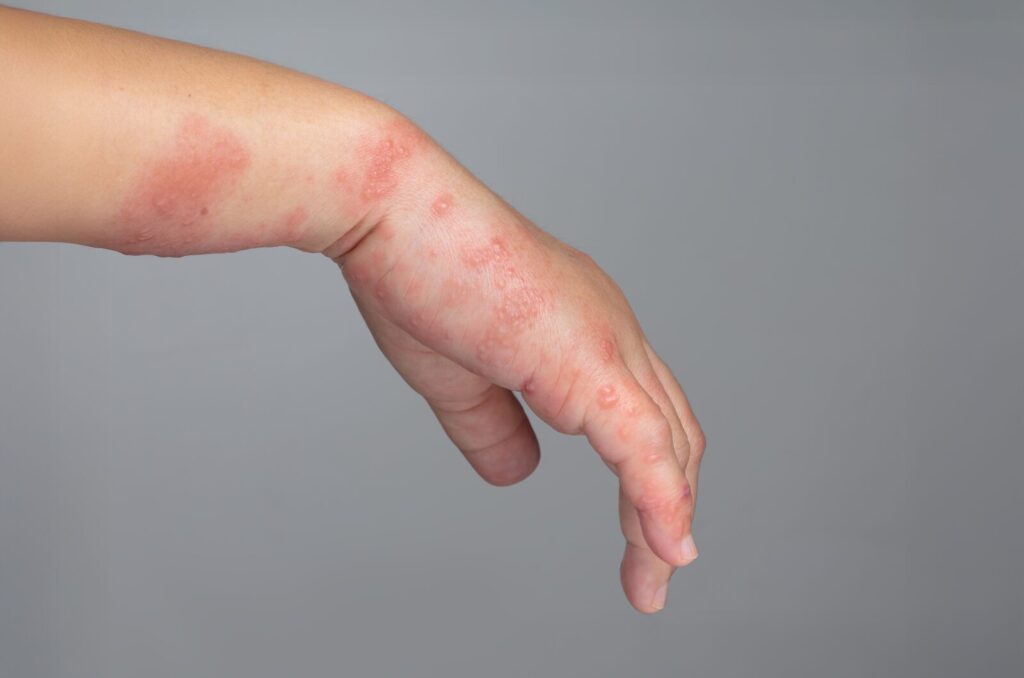
Hand with red patches and raised bumps, possibly linked to Dercumโ€™s disease, causing painful fatty growths.

Suggested image alt: Hand with red patches and raised bumps, possibly linked to Dercumโ€™s disease, causing painful fatty growths.

Dercumโ€™s disease causes and triggers include neurologic and endocrine factors, genetics, inflammatory and mechanical causes, and risk factors relevant to California residents and the general population.

Neurologic and Endocrine Factors Underlying the Disorder

Dercum’s disease involves neurologic dysfunction affecting pain perception and endocrine imbalances related to hormones like insulin and cortisol. These factors may disrupt fat metabolism and promote inflammation, leading to painful lipoma formation.

Struggling with swelling, fatigue, or post-surgery recovery?

Book your personalized lymphatic drainage session today and experience natural, therapeutic healing that restores balance and promotes long-term wellness.

Book an Appointment

Studies on Dercum’s disease show altered levels of neuropeptides such as substance P in patients, suggesting nerve involvement in pain symptoms. Hormonal imbalances may contribute to abnormal fat storage and swelling. Understanding these neurologic and endocrine roles is vital to developing effective treatment for dercumโ€™s disease targeting symptom relief.

Theories on Genetic, Inflammatory, and Mechanical Causes

Genetic predisposition may play a role, as some family clusters have been reported. Chronic inflammation is thought to intensify fat tissue pain and growth. Mechanical trauma or repeated pressure may trigger lipoma formation or worsen symptoms by damaging tissues.

Research shows interplay between genetics, inflammation, and mechanical factors contributes to dercumโ€™s disease progression. Continued research focuses on these areas to better understand patient variability and refine treatment approaches.

Risk Factors Specific to California Residents or the General Population

Common risk factors include obesity, female sex, and middle age, consistent across populations, including California residents. Studies on rare diseases reveal that environmental factors such as lifestyle, diet, or exposure to pollutants in California may influence disease expression but require further study.

Awareness and healthcare access also affect diagnosis rates regionally. Recognizing these factors helps guide early screening and management to improve outcomes in diverse communities.

Current Treatment Options Available for Dercumโ€™s Disease in California

The current treatment options available for Dercum’s disease are pain management strategies, manual lymphatic drainage, complementary treatments, surgical interventions, and lifestyle modifications for symptom relief. Understanding the causes of Dercum’s disease is critical to developing an effective treatment for Dercum’s disease that addresses these challenging symptoms.

Pain Management Strategies Including Medications and Therapies

Pain management is crucial in the management of Dercum’s disease. Medications such as pregabalin, lidocaine, and nonsteroidal anti-inflammatory drugs help reduce nerve pain, a common dercumโ€™s disease symptom. Other therapies like acupuncture assist in managing chronic pain, focusing on improving patient comfort and functionality.

Use of Manual Lymphatic Drainage and Other Complementary Treatments

Manual lymphatic drainage (MLD) stimulates lymph flow and reduces swelling often experienced as part of Dercum’s disease symptoms. Complementary options, such as pneumatic compression and transcutaneous electrical nerve stimulation, work alongside MLD to ease pain and inflammation. Together, these therapies offer holistic treatment for Dercum’s disease.

Surgical Interventions and Lifestyle Modifications for Symptom Relief

Surgical options such as liposuction and lipoma excision remove painful fatty growths related to dercumโ€™s disease causes and provide symptom relief. Though surgery doesn’t cure the disease, it alleviates discomfort and improves mobility.

Lifestyle modifications, including a healthy diet, maintaining an ideal weight, and regular low-impact exercise, can support treatment for Dercum’s disease by reducing symptoms and enhancing overall health.

Conclusion

Dercumโ€™s disease symptoms negatively affect your daily life. However, understanding Dercum’s disease causes opens the door to effective treatment for dercumโ€™s disease tailored to your needs. Early diagnosis and personalized care help you regain control over pain and discomfort. Do not wait to take action. Schedule your consultation today with a specialist experienced in Dercumโ€™s disease and start your journey toward better health.

FAQโ€™s

What are common dercumโ€™s disease symptoms?

The symptoms of Dercum’s disease include painful fatty growths called lipomas, fatigue, swelling, cognitive difficulties, and chronic pain. These symptoms vary widely between patients. Early recognition of Dercum’s disease symptoms is crucial for seeking timely treatment for Dercum’s disease and preventing further progression.

What causes Dercum’s disease?

Dercum’s disease causes involve neurologic dysfunction, endocrine imbalances, genetic factors, inflammation, and mechanical triggers. These causes lead to painful fatty growths under the skin. Understanding Dercum’s disease helps healthcare providers create personalized treatment plans for better symptom management.

What treatment for Dercum’s disease is available?

Treatment for Dercum’s disease focuses on pain management, manual lymphatic drainage, complementary therapies, surgical removal of lipomas, and lifestyle modifications. These options aim to control Dercum’s disease symptoms, improve mobility, and enhance patient quality of life, although there is currently no cure.

Is Dercum’s disease hereditary or contagious?

Dercum’s disease is not contagious. Some cases may have a hereditary component, but most appear sporadically. Though Dercum’s disease causes include genetic factors, it does not spread person to person. Knowledge of Dercum’s disease causes guides genetic counseling and treatment planning where relevant.

Can lifestyle changes improve Dercum’s disease symptoms?

Yes, lifestyle changes improve Dercum’s disease symptoms. Lifestyle modifications such as healthy eating, weight control, and regular low-impact exercise support treatment for Dercum’s disease.

These changes reduce the severity of dercumโ€™s disease symptoms, improve mobility, and enhance overall well-being when combined with medical therapies and pain management strategies.