

Chronic venous insufficiency (CVI) occurs when weakened vein walls and valves impair blood flow, causing discomfort and long-term vein damage. Fortunately, chronic venous insufficiency treatments are widely available in San Diego, offering effective relief and management options.
From conservative approaches like compression therapy to advanced minimally invasive procedures, these treatments aim to improve blood circulation, reduce symptoms such as leg swelling and pain, and prevent complications. Early intervention and personalized care play crucial roles in enhancing the quality of life for those living with CVI. This article discusses the top treatment options available locally to help you take control of your vein health with confidence.
Struggling with swelling, fatigue, or post-surgery recovery?
Book your personalized lymphatic drainage session today and experience natural, therapeutic healing that restores balance and promotes long-term wellness.
Book an AppointmentWhat is Chronic Venous Insufficiency (CVI) and Why Does It Matter?
Chronic venous insufficiency (CVI) is an ailment where the veins in the legs are unable to return blood to the heart. This inefficiency is primarily due to damaged or weakened venous valves, which normally keep blood flowing upward but, when compromised, allow blood to pool in the legs. This causes increased pressure in the veins, leading to symptoms such as swelling, leg heaviness, fatigue, and the development of varicose veins. Over time, CVI causes skin changes, ulcers, and significantly impacts mobility and quality of life.
Understanding how CVI affects blood flow is crucial because prolonged pooling of blood results in tissue damage and chronic inflammation. Early diagnosis allows for timely intervention with effective chronic venous insufficiency treatments to relieve symptoms and prevent progression. While CVI is a chronic condition, many modern therapies, including compression, medications, and minimally invasive procedures, provide symptom relief and improved vein health.
Although a complete CVI cure may not be possible for everyone, early management can control symptoms and enhance daily function. Recognizing CVI signs and seeking medical help early improves long-term outcomes. It also prevents complications such as venous ulcers and infections, making awareness and treatment essential for those affected.
What Are the Most Common Symptoms of CVI?
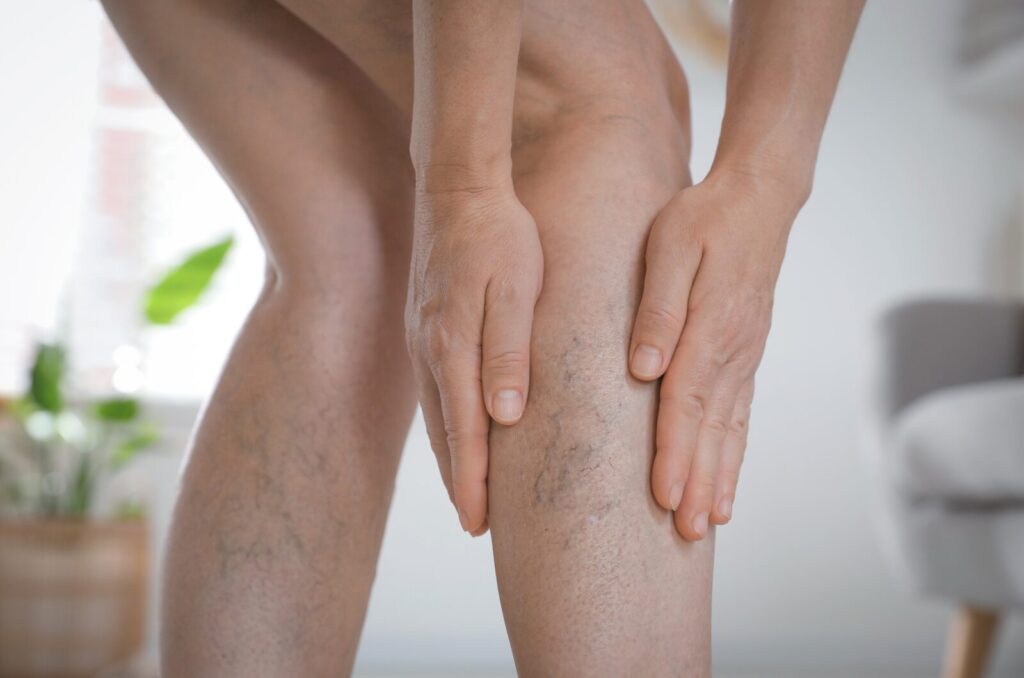
Chronic venous insufficiency (CVI) presents with several symptoms that affect leg comfort and skin health. Key signs include leg swelling, a feeling of heaviness or fatigue, skin discoloration, visible varicose veins, and discomfort such as pain, itching, or ulcers. Understanding these symptoms helps with early recognition and management to improve quality of life. The following sections explain these common symptoms in detail.
Leg Swelling, Heaviness, and Fatigue
Swelling in the lower legs and ankles occurs due to blood pooling. This causes the legs to feel heavy, tired, and fatigued, particularly after standing or sitting for long periods. The swelling worsens throughout the day and leads to discomfort and reduced mobility.
Skin Discoloration and Varicose Veins
In advanced CVI, skin may develop reddish-brown discoloration from blood leakage into surrounding tissues. Varicose veins (enlarged, twisted veins visible under the skin) are common and signal impaired venous function.
Pain, Itching, and Ulcers
Pain in the legs ranges from aching to sharp discomfort, worsening with prolonged standing. Itching and tingling sensations are common due to skin irritation. Ulcers or open sores may form if CVI remains untreated, increasing infection risk and requiring specialized care.
What Causes Chronic Venous Insufficiency?
Valve Dysfunction and Vein Damage
Chronic venous insufficiency (CVI) primarily results from damaged or malfunctioning valves inside the leg veins. These valves prevent blood from flowing backward. However, when they fail, blood pools in the legs, increasing venous pressure and causing the vein walls to weaken or stretch. This valve dysfunction leads to poor blood circulation, swelling, and pain.
Risk Factors: Age, Genetics, Pregnancy, Obesity, Lifestyle
Aging weakens the vein walls and valves. Genetics can cause fragile or faulty valves. Pregnancy adds hormonal relaxation and uterine pressure, straining veins. Obesity increases pressure on leg veins, stretching and damaging them. Prolonged standing, sitting, or inactivity prevents calf muscles from pushing blood upward. These factors impair blood flow, raise venous pressure, and gradually lead to chronic venous insufficiency.
How CVI Develops Over Time
CVI develops over time as valve damage and venous hypertension cause abnormal blood flow and chronic inflammation in the veins. Over time, symptoms, including skin changes, varicose veins, and ulcers, start progressing. Early intervention with effective venous insufficiency therapy is critical to slow disease progression and improve quality of life.
What Are the Top CVI Treatment Options Available in San Diego?
Compression Therapy and Lifestyle Changes
Compression therapy is the most common and simplest way to help CVI. It involves wearing compression stockings that squeeze your legs gently. This pressure helps push blood back up toward the heart instead of pooling in the legs, reducing swelling, pain, and tiredness. Lifestyle changes are just as important.
Simple actions like walking regularly, avoiding sitting or standing too long, maintaining a healthy weight, and elevating your legs when resting make a big difference. Together, these methods form the foundation of chronic venous insufficiency treatments and slow the condition’s progress, making daily life easier and more comfortable.
Medications and Topical Treatments
Sometimes, swelling and pain require extra help. Doctors might prescribe medications that reduce inflammation or improve blood flow in the veins. Anti-inflammatory drugs relieve discomfort, while vasoactive medications strengthen vein walls. Topical creams and ointments soothe itchy, irritated skin and help prevent wounds or ulcers from forming. These treatments don’t cure CVI but help manage symptoms alongside other therapies. It is important to follow your healthcare provider’s advice and use these treatments safely as part of broader CVI treatment options.
Minimally Invasive Procedures
If symptoms persist despite other treatments, minimally invasive procedures close off damaged veins causing the problem. In Sclerotherapy, a special solution is injected into faulty veins, causing them to shrink and fade over time.
Endovenous laser therapy uses laser heat to seal problematic veins from inside, rerouting blood to healthier vessels. These outpatient treatments cause little pain or downtime and improve both symptoms and appearance. For many people seeking a CVI cure, these procedures offer effective, lasting relief.
Surgical Interventions for Advanced Cases
In severe cases, surgery removes or bypasses damaged veins. Procedures such as vein stripping or ligation physically correct vein problems to restore proper blood circulation. Surgery is useful when other treatments have failed or when ulcers or infections develop.
Though invasive, surgical interventions provide significant symptom relief and prevent serious complications. Experienced San Diego specialists carefully assess each patient to recommend the best option based on unique personal needs, integrating surgery into comprehensive chronic venous insufficiency treatment plans.
How Can Lifestyle Changes Support CVI Treatment?
Diet, Exercise, and Weight Management
Eating balanced meals and keeping a healthy weight are vital in supporting chronic venous insufficiency treatments. Foods rich in fiber, antioxidants, and low in sodium can reduce fluid retention and inflammation, easing pressure on leg veins. Avoid processed and sugary foods that worsen swelling.
Regular exercise, especially walking, activates calf muscles that help pump blood back to the heart. Weight loss decreases the load on veins, improving circulation and slowing CVI progression. These straightforward changes make a powerful impact on symptom relief and overall vein health.
Elevation and Movement Strategies
Raising your legs above heart level for 15–30 minutes multiple times a day helps reduce leg swelling by aiding blood flow back to the heart. Moving regularly breaks the cycle of blood pooling in the veins. Simple activities like ankle pumps, calf raises, or gentle stretches improve circulation and venous function. Regular movement also prevents blood clots and stiffness. These easy-to-do habits complement medical options and are essential parts of effective CVI treatment options.
Avoiding Prolonged Sitting or Standing
Long periods of sitting or standing worsen CVI by allowing blood pooling in the legs. Take breaks every 30 minutes to walk around or move your legs, even while seated. Avoid crossing your legs to improve circulation. If working a standing job, shift weight frequently and wear support stockings to prevent swelling.
These lifestyle adjustments reduce discomfort and prevent the worsening of vein damage. Integrating these simple habits daily helps manage symptoms and improve quality of life alongside medical care.
What Are the Risks of Untreated CVI?
Ignoring chronic venous insufficiency (CVI) leads to serious health risks that affect your legs and overall well-being. Without proper care, CVI symptoms worsen and result in complications like chronic leg ulcers, blood clots, infections, and long-term mobility challenges. Understanding these risks showcases the importance of early intervention and effective chronic venous insufficiency treatments to protect your health.
Progression to Chronic Leg Ulcers
Untreated CVI causes persistent high pressure in leg veins, damaging skin and tissues. This damage forms open sores called venous leg ulcers, usually around the ankles. These ulcers are painful, slow to heal, and prone to recurring. Without timely treatment, the ulcers become infected and cause deeper tissue damage. This complicates recovery, since it requires specialized medical care.
Increased Risk of Blood Clots And Infections
Poor blood flow from CVI raises the likelihood of blood clots forming in deep veins, a condition known as deep vein thrombosis (DVT). DVT is potentially life-threatening if clots travel to the lungs (pulmonary embolism). Additionally, broken skin and ulcers from CVI increase infection risk, such as cellulitis, which worsens swelling and causes further health issues.
Long-Term Mobility and Quality-of-Life Issues
Chronic swelling, pain, and skin changes lead to difficulty walking or standing for long periods. This immobility contributes to muscle weakness and poorer circulation, worsening CVI symptoms over time. Many patients experience decreased independence, emotional distress, and reduced quality of life due to untreated CVI complications.
Conclusion
Chronic venous insufficiency can significantly affect your daily life. Nevertheless, effective chronic venous insufficiency treatments help manage symptoms, prevent complications, and improve leg health.
At Lymphatic Therapy Services in San Diego, we offer personalized CVI care tailored to your unique needs, combining expert medical options with supportive lifestyle guidance. Taking early action is key to controlling CVI and maintaining your quality of life. Book an appointment today and take the first step toward healthier veins and greater comfort.
FAQs
What’s The Difference Between CVI And Varicose Veins?
Chronic venous insufficiency (CVI) is a condition where vein valves in the legs fail to return blood to the heart properly, causing blood to pool. Varicose veins are swollen, twisted veins visible under the skin and often a visible sign of CVI, but can also occur independently. CVI involves deeper vein function problems, while varicose veins mainly affect surface veins.
Can CVI Go Away On Its Own Without Treatment?
CVI does not go away on its own. Without treatment, the condition usually worsens, leading to increased symptoms and complications such as swelling, ulcers, or infections. Early and consistent chronic venous insufficiency treatments are essential to manage symptoms and prevent progression.
Is Venous Insufficiency Therapy Painful?
Most venous insufficiency therapies, including compression therapy and minimally invasive procedures, are not painful. Some treatments may cause mild discomfort during or after, but this is temporary. Your medical expert will guide you on what to expect and ways to minimize discomfort.
How Long Does It Take To See Results From CVI Treatment?
Results vary based on treatment type and disease severity. Compression therapy may provide relief within days, while minimally invasive procedures show improvement within weeks. A full treatment plan, including lifestyle changes, may take months to achieve noticeable benefits. Nonetheless, ongoing management is key to lasting results.