
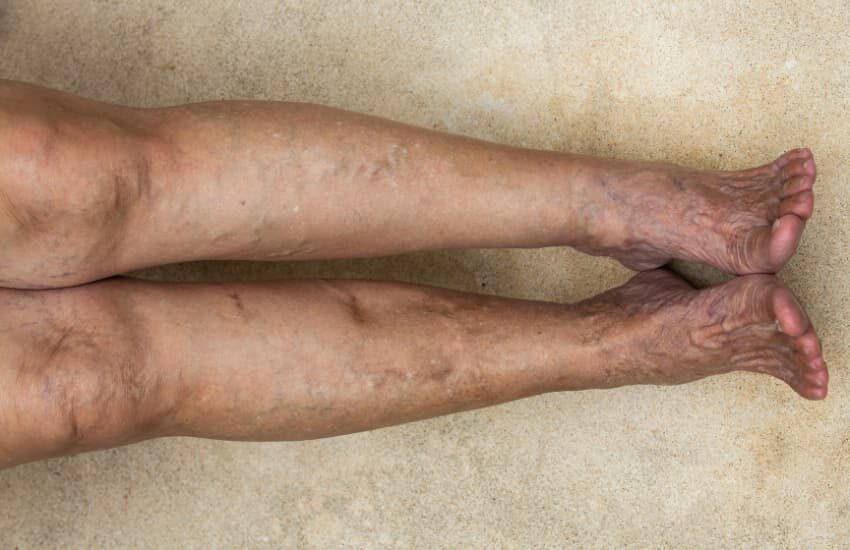
Chronic venous insufficiency manifests when your leg veins struggle to get blood back up to your heart. You might not notice it right away, but the valves malfunction in those veins cause it.
So, what are the common chronic venous insufficiency causes? Leg venous valves can get weak or damaged from activities like sitting or standing too long, being overweight, or even family history. Early signs, like legs feeling tired or heavy, are your body’s way of telling you to pay attention. If you catch these symptoms of venous insufficiency early, you can avoid bigger problems later on.
What Causes Chronic Venous Insufficiency and Who Is at Risk?
Chronic venous insufficiency causes include faulty vein valves, damaged vein walls, blood clots, prolonged sitting or standing, and genetic factors. People most at risk include those who have jobs demanding long-standing or sitting hours, individuals who are overweight, seniors, pregnant women, and people with a history of vein disease or deep vein thrombosis.
How Faulty Vein Valves Disrupt Blood Flow
Failed veins occur when the tiny one-way valves inside your leg veins do not work properly. Normally, the valves open to allow blood flow toward the heart and close to keep it from falling back. However, when the valves get weak or damaged from factors like pressure, injury, or age, blood flows backward instead. This causes blood pooling in the legs, which stretches and weakens the veins over time.
This pooling, or venous reflux, raises blood pressure, leading to swelling, heaviness, aching, and visible varicose veins. It also slows down the removal of waste and fluids, making legs feel tired and uncomfortable. Over time, if the faulty veins are not treated, more serious symptoms and skin changes develop.
Main Risk Factors Affecting San Diego Residents
In San Diego, many people are at risk because of their lifestyle or job. Those who stand or sit for long hours without moving, like retail workers, waiters, office employees, or delivery drivers, are prone to veins getting overworked. Obesity adds extra pressure on leg veins, making valve damage more likely. Expectant women are at a higher risk due to the additional blood volume and pressure in the veins.
Older adults have naturally weaker vein walls and valves. In addition, people who have had blood clots, especially deep vein thrombosis, have lasting vein damage. Family history also matters. Chronic venous insufficiency specialists in San Diego see patients with these risks, so understanding them can help get treatment early and prevent worse symptoms of venous insufficiency, like pain, swelling, and skin changes.
Symptoms of Venous Insufficiency to Watch For
The symptoms of chronic venous insufficiency to watch out for include varicose veins, leg pain, heaviness, tingling sensations, skin changes, and swelling. These warning signs indicate that your veins may struggle and that it is time to seek medical care. Early attention helps avoid serious complications down the road.
Identifying Varicose Veins Early
Varicose veins are the first visible sign of chronic venous insufficiency. They appear swollen, twisted, and bluish or purplish veins under the skin. You might notice them on your calves or thighs. Early on, these veins may not hurt, but their presence means your veins are under pressure and not working properly.
Recognizing varicose veins early is important because they mark underlying valvular failure and blood pooling. Ignoring them can lead to worsening symptoms, including pain and swelling. Chronic venous insufficiency specialists recommend regular leg checks and medical evaluations if varicose veins appear, helping you catch problems before they progress to skin changes or ulcers.
Common Sensations: Pain, Heaviness, and Tingling
Many people with chronic venous insufficiency describe leg pain that worsens when they are standing or sitting for a long time. This pain usually feels dull or achy. There is a sensation of heaviness in the legs, making them feel tired or weighed down. Tingling or burning sensations also occur, sometimes described as pins and needles.
These symptoms happen because blood pools in the veins and circulation slows, resulting in swelling and nerve irritation. Paying attention to these signals prompts timely visits to chronic venous insufficiency specialists who offer treatments to reduce discomfort and prevent progression.
Skin Changes and Swelling as Red Flags
Swelling in the legs, ankles, and feet is a common symptom of chronic venous insufficiency, worsening as the day goes on. Chronic swelling causes the skin to stretch and sometimes break down, leading to changes like dryness, discoloration, and thickening, known as lipodermatosclerosis. Skin may become itchy, scaly, or red and irritated.
These skin changes are red flags signaling worsening vein disease and increased risk for ulcers or infections. When these signs appear, it is critical to seek care from chronic venous insufficiency specialists promptly. In some cases, patients may also benefit from visiting a chronic Lyme disease treatment center if overlapping symptoms exist or infections complicate their condition.
How Chronic Venous Insufficiency is Treated
Chronic venous insufficiency is treated through lifestyle changes, compression therapy, medical treatments, and surgical options. Treating chronic venous insufficiency relieves symptoms, improves circulation, prevents complications like ulcers and infections, and enhances patients’ overall quality of life. Without proper treatment, the condition can worsen, leading to more severe symptoms and long-term damage.
Lifestyle Changes and Use of Compression Therapy
One of the first steps in managing chronic venous insufficiency is making lifestyle changes that promote better blood flow. Raising your legs above heart level several times a day eases swelling by helping blood flow back to the heart. Regular exercise, especially walking, activates the calf muscles, which act as pumps to push blood through the veins and prevent pooling. Maintaining a healthy weight alleviates pressure on your leg veins, improving circulation.
Compression therapy is essential and recommended by chronic venous insufficiency specialists. It involves wearing compression stockings that apply gentle pressure to the legs, helping veins propel blood upward. These stockings come in various strengths and sizes, and patients should use them consistently for maximum benefit. Compression reduces swelling, discomfort, and slows the progression of vein damage, making it a cornerstone of treatment.
Medical and Surgical Options Offered
Medical and surgical treatments become necessary when lifestyle changes and compression do not completely ease symptoms. Specialists may prescribe medications to reduce swelling and inflammation. Sclerotherapy involves injecting a treatment solution into problematic veins, collapsing and fading them over time.
Thermal ablation therapies (including endovenous laser therapy and radiofrequency ablation) use heat to seal off faulty veins, rerouting blood flow to healthier veins. These minimally invasive procedures are performed with local anesthesia and offer quick recovery times. Chronic venous insufficiency specialists tailor these treatments to individual needs, ensuring optimal outcomes with minimal discomfort.
Preventing Complications like Ulcers and Infections
Preventing complications is a vital part of managing and treating chronic venous insufficiency. When blood lacks proper flow, it can cause skin ulcers—open wounds that are slow to heal. These ulcers lead to infections, which cause pain and delayed healing. They usually require antibiotics or hospitalization.
In some complex cases, patients may have overlapping symptoms that benefit from visiting a chronic Lyme disease treatment center for additional evaluation and care. Preventing ulcers and infections is crucial to avoid prolonged pain, inflammation, and mobility issues, making it an essential focus of treatment.
Tips to Reduce Chronic Venous Insufficiency Symptoms
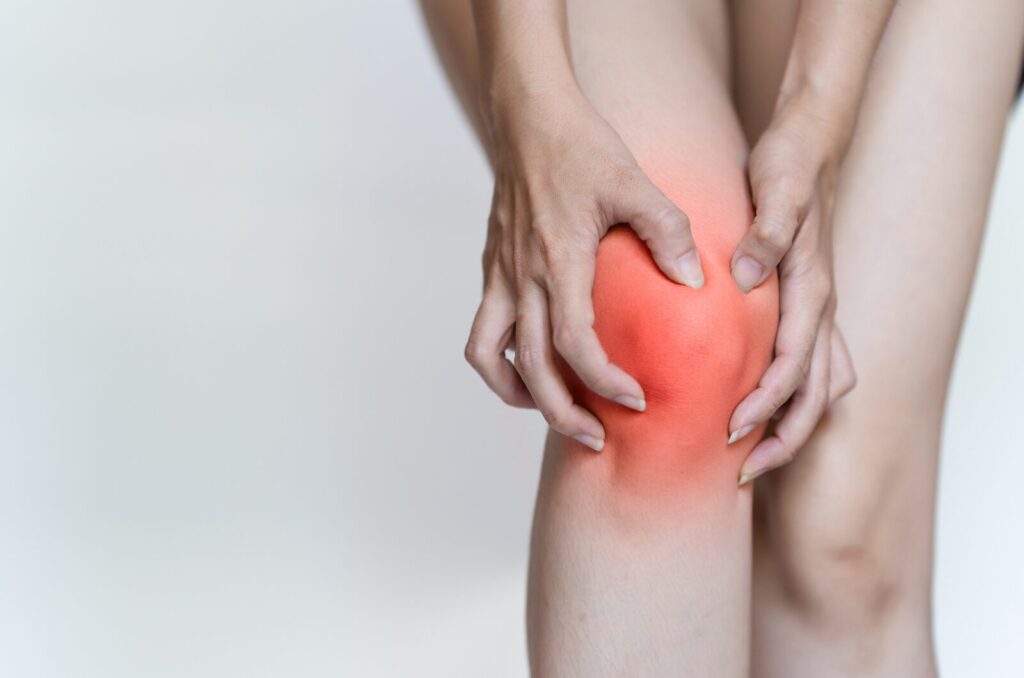
You can reduce chronic venous insufficiency symptoms by elevating your legs regularly, wearing compression stockings, and engaging in moderate exercise. These tips help improve blood flow, decrease swelling, and ease discomfort. Consistently practicing these habits makes a big difference in managing symptoms of venous insufficiency and preventing complications.
Elevate Your Legs Regularly
Elevating your legs means raising them above heart level several times a day to aid blood flow back toward your heart. Gravitational pull helps reduce the pressure in your leg veins and forces pooled blood to move out of the lower legs. This simple habit reduces swelling, decreases feelings of heaviness, and fights fatigue.
Struggling with swelling, fatigue, or post-surgery recovery?
Book your personalized lymphatic drainage session today and experience natural, therapeutic healing that restores balance and promotes long-term wellness.
Book an AppointmentElevation is as easy as lying down with a few pillows under your legs or resting your legs on the armrest of a sofa. Chronic venous insufficiency specialists emphasize making leg elevation a daily routine, especially after long periods of standing or sitting. It is a safe, non-invasive way to relieve and protect your veins from damage.
Wear Compression Stockings
Compression stockings improve circulation by gently squeezing your legs, preventing blood from pooling, and reducing swelling. These specially designed stockings apply gradient pressure—tighter at the ankles and looser toward the knees—helping veins push blood back to the heart. Wearing them as recommended by chronic venous insufficiency specialists prevents varicose veins from progressing, relieves pain, and reduces fatigue.
Modern compression stockings come in various styles and materials, making them more comfortable and easier to wear during daily activities than older versions. If you are unsure which compression level is best, a specialist can help you choose.
Engage in Moderate Exercise
Regular exercise therapy, such as walking, swimming, or cycling, activates the calf muscles, which pump blood through your veins. This enhances circulation and prevents blood from pooling in the legs, a root cause of symptoms like swelling and heaviness.
Exercise also aids weight management, lessening vein pressure. For those with sedentary jobs, taking short movement breaks during long sitting periods helps circulation. Chronic Lyme disease treatment center experts recommend exercise alongside other treatments to improve overall vascular and systemic health. Incorporating moderate exercise enhances vein function and quality of life while managing symptoms effectively.
Conclusion
Chronic venous insufficiency causes disrupted blood flow in leg veins, leading to discomfort and complications if untreated. Recognizing the early symptoms of venous insufficiency is crucial to managing the condition and avoiding serious issues like ulcers or infections. Taking steps to address chronic venous insufficiency causes, such as seeking expert advice and appropriate treatments, significantly improves quality of life.
For those experiencing these symptoms, consulting chronic venous insufficiency specialists ensures a tailored approach to care. Collaborating with a chronic Lyme disease treatment center may also be beneficial if complexities arise. Do not wait for symptoms to worsen. Early action can make all the difference. Consider booking an evaluation to keep your veins healthy and comfortable.
FAQ’s About Chronic Venous Insufficiency
Does Sitting or Standing for Long Periods Make Venous Insufficiency Worse?
Yes, sitting or standing for long periods makes venous insufficiency worse. It increases pressure in the leg veins, leading to blood pooling and valve damage. This impairs blood flow and increases symptoms like swelling and heaviness. Avoiding prolonged immobility and using breaks to move reduces strain. Chronic venous insufficiency specialists emphasize managing these habits to protect vein health.
What Exercises Help Improve Blood Flow in Legs?
Exercises like walking, calf raises, and swimming activate leg muscles that help pump blood upward, reducing pooling. Regular moderate exercise improves circulation, eases swelling, and relieves discomfort. Engaging in daily movement is a key recommendation from chronic venous insufficiency specialists for managing symptoms effectively.
Does Pregnancy Raise Risk for Venous Insufficiency?
Yes. Pregnancy increases blood volume and pressure on leg veins, raising the risk of vein valve damage and venous insufficiency. Hormonal changes also relax vein walls. Pregnancy-related chronic venous insufficiency (CVI) improves after childbirth, but requires monitoring. Specialists guide pregnant women on preventive measures to reduce complications.
What Happens if Venous Insufficiency Is Untreated?
Untreated venous insufficiency worsens symptoms like severe swelling, skin changes, ulcers, and infections. These complications can cause pain, disability, and serious health risks. Early treatment guided by chronic venous insufficiency specialists prevents progression and improves outcomes.
Are There Effective Non-Surgical Treatments for Advanced CVI?
Yes, non-surgical options such as compression therapy, medication, and minimally invasive procedures help manage advanced CVI symptoms. These treatments reduce pain and swelling without surgery. Persistent infections or overlapping conditions may require comprehensive care at a chronic Lyme disease treatment center.