

Whether you are recovering from surgery or simply looking to detoxify, getting the most out of a professional manual lymphatic massage requires some groundwork. Many San Diego residents lead high-performance lives, but even the healthiest bodies can experience stagnant fluid flow.
Struggling with swelling, fatigue, or post-surgery recovery?
Book your personalized lymphatic drainage session today and experience natural, therapeutic healing that restores balance and promotes long-term wellness.
Book an AppointmentIntegrating a simple lymphatic self massage into your morning routine can act as a primer, warming up your vessels for deeper clinical work. By preparing your tissues beforehand, you ensure that your professional sessions are more effective, allowing the fluid to move freely toward the drainage centers without resistance or discomfort.
Why Preparation Is Necessary Before Manual Lymphatic Massage
The lymphatic system is a delicate, low-pressure network that relies on consistent movement rather than a central pump. If you arrive at your session with highly stagnant fluid, the therapist must spend a significant amount of time getting the surface fluid moving.
Understand How Lymph Moves
Lymph fluid is thick and moves slowly against gravity. By preparing your body, you are essentially thinning out that sludge. This ensures that when you receive a manual lymphatic massage, the therapist can focus on deeper congestion rather than fighting through superficial blockages.
Reduce Swelling and Fluid Stagnation
Pre-session prep helps lower the baseline of swelling in your limbs. When you arrive with less localized pressure, the manual lymphatic drainage therapy can yield much more visible and immediate results, particularly in areas like the ankles or abdomen.
Prevent Discomfort or Ineffective Sessions
A body that is dehydrated or overly tense is more difficult to work with. Priming the system prevents the sore feeling that can sometimes follow a session when a large volume of waste is moved through a sluggish system.
Self-Care Rituals to Prime Your Lymphatic System
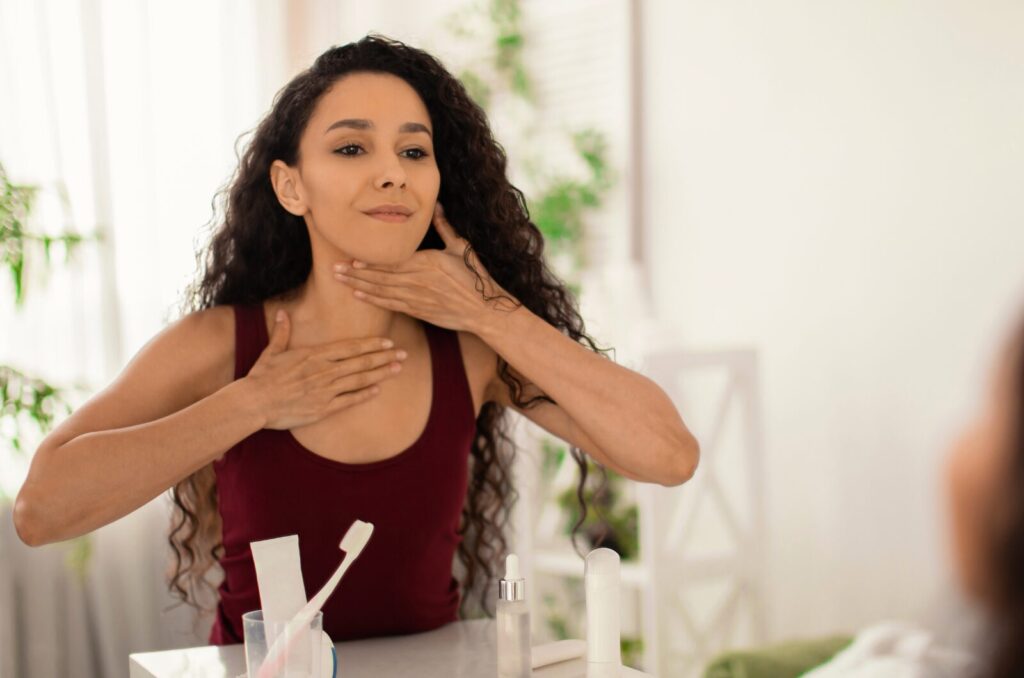
Before your appointment, adopting a few intentional habits can significantly enhance your results. Manual lymphatic drainage therapy is most effective when the body is already in a relaxed, parasympathetic state.
Deep, Rhythmic Breathing
The largest lymph duct in your body sits under your diaphragm. Deep belly breathing acts as a vacuum, pulling lymph from your legs up toward your chest. Doing this for five minutes before your lymphatic self massage clears the central pipes.
Warm Shower or Bath before Massage
Heat dilates the vessels and softens the connective tissue. A warm shower (not scalding) increases local circulation, making the skin and underlying tissues more pliable for the therapist’s touch.
Hydration to Support Fluid Flow
Lymph is mostly water. If you are dehydrated, your lymph becomes viscous and difficult to move. Drink at least 16 ounces of water an hour before your session to ensure the fluid is thin enough to flow properly during lymphatic self-care.
Step-by-Step Self-Massage Preparation Techniques
Learning the basics of lymphatic self-care allows you to maintain your results between visits. Lymphatic self-massage should always be incredibly light; think of the pressure you would use to move a coin across a table. This preparatory work opens the gates, allowing professional manual lymphatic drainage therapy to be more efficient.
Open the Main Lymph Nodes First
Start with light strokes on the chest and under the armpits. Always move toward the heart. By stimulating these primary drainage centers first, you create a destination for the fluid you will be moving later.
Neck and Collarbone Activation
Use gentle downward strokes from the ears toward the collarbone. Move outward toward the nodes located just above the collarbone. This encourages drainage from the head and neck, clearing the upper body gateways.
Abdomen Rotation and Flow Prep
Perform slow, circular motions over the belly in a clockwise direction. This follows the natural path of the colon and helps prepare the deep digestive lymph channels for better waste elimination.
Groin and Lower Body Gateways
Use light upward pumps near the crease of the hip. This supports the starting point for lower body drainage, aiding in the prep work needed for leg and ankle relief.
Complementary Self-Care Habits between Sessions
Consistency is the key to long-term lymphatic self-care. While professional manual lymphatic drainage therapy provides the heavy lifting, your daily habits determine how long those results last. Daily lymphatic self massage can be a game-changer for chronic swelling.
Movement and Light Exercise
Avoid sitting for long periods. Even a ten-minute walk or some gentle stretching helps your muscles squeeze the lymph vessels, preventing fluid from pooling in your feet.
Dry Brushing Before Shower
Using a natural bristle brush to stroke toward the heart lightly is an excellent way to stimulate superficial lymph flow. It exfoliates the skin while simultaneously waking up the drainage network.
Balanced Nutrition for Lymph Support
Reduce your intake of processed salts and sugars, which can cause the body to retain excess water. Focus on leafy greens and healthy fats that support vessel integrity.
Adequate Sleep and Stress Reprieve
Your body does its best filtration work while you sleep. High stress levels constrict the vessels, so prioritizing rest is a vital part of your recovery protocol.
When to Be Cautious and Seek Expert Help
While lymphatic self care is generally safe, there are times when you should defer to a professional. Manual lymphatic drainage therapy is a specialized medical tool that requires expert knowledge of anatomy.
Conditions Not Suitable for Self-Massage
If you have an active infection, a fever, or a blood clot, you must avoid any form of massage. Moving fluid during an infection can spread the issue further through the system.
Severe Congestion or Medical Conditions
If you suffer from congestive heart failure or kidney issues, your body may not be able to handle a sudden shift in fluid volume. Always consult your doctor before starting a routine.
Signs to Pause Your Routine
If you notice increased pain, redness, or heat in a swollen area, stop your self-care routine immediately. These are signs of inflammation that require a professional medical evaluation from our certified therapists in San Diego rather than home care.
Conclusion
Preparing your body for manual lymphatic drainage therapy doesn’t have to be complicated. By focusing on hydration, breathing, and gentle movement, you set the stage for a much more successful recovery. At Lymphatic Therapy Services in San Diego, we specialize in restorative techniques that go beyond the surface. Our lymphatic self massage is the secret sauce that makes other treatments shine. We are dedicated to helping you feel lighter and more energized through every step of your wellness journey.
If you have been feeling sluggish or experiencing post-operative swelling, let us help you find the right path. Book your appointment today and let’s work together to restore your body’s natural flow.
FAQs
Can I Do Self-Lymphatic Massage Daily?
Yes, gentle lymphatic self massage is safe for daily use. It is a great way to practice lymphatic self care and prevent fluid from stagnating between your professional sessions. Just remember to keep the pressure very light.
Does Hydration Really Help Lymph Flow?
Absolutely. Since lymph fluid is primarily water, staying hydrated is a core part of manual lymphatic drainage therapy success. It keeps the fluid thin and easy for your system to transport and filter.
Is A Warm Shower Necessary Before a Massage?
It isn’t strictly necessary, but it is highly recommended. The warmth helps relax the muscles and soften the tissue, making manual lymphatic massage more comfortable and effective for both the therapist and the patient.
What Should I Avoid Before Manual Lymphatic Drainage?
Avoid heavy meals, excessive caffeine, and high-sodium foods in the hours leading up to your appointment. These can cause unnecessary inflammation, making it more difficult for manual lymphatic drainage therapy to clear metabolic waste effectively.