

Sudden weight gain is an important health signal that should not go unnoticed. Rapid or unexplained fluctuations in weight (whether gain or loss) are indicators of underlying medical issues that affect overall well-being. These changes may reflect metabolic disturbances, hormonal imbalances, or the presence of chronic conditions, such as cardiovascular diseases or diabetes, which are linked to high mortality risks.
Among the lesser-known causes of sudden weight change are fat disorders, like lipedema and lymphedema. These conditions alter fat distribution and fluid retention, leading to unintentional weight fluctuations. Yet, many people, including healthcare providers, overlook this connection, which can delay diagnosis and treatment.
Struggling with swelling, fatigue, or post-surgery recovery?
Book your personalized lymphatic drainage session today and experience natural, therapeutic healing that restores balance and promotes long-term wellness.
Book an AppointmentUnderstanding the link between fat disorders and sudden weight shifts is crucial for San Diego residents to recognize symptoms early, seek appropriate medical advice, and manage their health proactively with tailored therapies and lifestyle modifications. This awareness improves quality of life and prevents complications associated with these fat-related health conditions.
Recognizing Sudden and Unexplained Weight Changes
What Counts As Sudden Weight Gain Or Loss?
Sudden weight change refers to an increase or decrease in body weight that occurs rapidly, typically within weeks or a few months. This happens without intentional changes in diet or activity. Clinically, losing at least 5% of body weight within 6 to 12 months or gaining a similar significant amount without explanation is considered sudden and warrants attention. Even smaller fluctuations may matter if accompanied by other symptoms.
Signs That Your Weight Change May Be a Symptom
Weight changes accompanied by symptoms like fatigue, swelling, shortness of breath, pain, or changes in appetite may signal an underlying health issue. Unexplained weight loss with night sweats, fever, or digestive changes is extremely alarming. Sudden weight gain accompanied by swelling in limbs, breathlessness, or fluid retention may indicate conditions such as heart or kidney problems or fat disorders like lipedema.
When to Seek Medical Advice
Seek medical attention promptly if you notice unintentional weight loss of 10 pounds or more, a 5% body weight loss, or rapid weight gain not attributable to lifestyle factors. Immediate consultation is crucial if rapid weight gain causes shortness of breath, swelling, or persistent fatigue. Early diagnosis improves outcomes by addressing potential causes like hormonal imbalances, chronic illnesses, or fat disorders effectively.
Rapid Weight Gain Causes You Shouldn’t Ignore
Hormonal Imbalances and Thyroid Dysfunction
Rapid weight gain causes hormonal imbalances, particularly those involving thyroid dysfunction. Hypothyroidism, or an underactive thyroid, slows metabolism, leading to weight gain, fatigue, and cold intolerance.
Another hormonal disorder, Cushing’s syndrome, causes the body to produce excess cortisol, which redistributes fat to the abdomen, face (moon face), and upper back. These conditions disrupt normal weight regulation and require medical diagnosis and management.
Fluid Retention and Inflammation
Fluid retention, or edema, is a major cause of sudden weight gain. It signals underlying issues with the heart, kidneys, or liver, where these organs fail to remove excess fluid from the body properly. This leads to swelling in the legs and abdomen, accompanied by rapid weight gain. Inflammatory conditions also cause swelling and fluid buildup, which can complicate weight changes.
Medication and Lifestyle Factors
Some medications like corticosteroids, antidepressants, insulin, and antihypertensives may cause weight gain as a side effect. Lifestyle contributors include poor diet, smoking, and decreased physical activity. It’s important to review all medications with a healthcare provider when experiencing unexpected weight gain.
Fat Disorders as A Hidden Cause
Fat disorders like lipedema, lymphedema, and Dercum’s disease are overlooked causes of rapid weight change. These conditions involve the abnormal accumulation of fat and fluid, resulting in disproportionate swelling and discomfort. Unlike obesity, fat disorders do not respond well to diet or exercise and require specialized treatment approaches.
Unexplained weight gain should always prompt a consultation with a medical expert to identify the exact cause and formulate an effective treatment plan tailored to individual needs.
What are Fat Disorders?
Understanding fat disorders—far more complex than simple weight issues—empowers San Diego residents to seek accurate diagnosis and tailored treatments, improving health outcomes and daily functioning. Here is what you need to know about weight disorders.
Defining Fat Disorders: More than Just Weight
Fat disorders are medical conditions characterized by abnormal fat distribution and accumulation in the body that go beyond normal weight gain. Unlike common fat buildup linked to diet or lifestyle, these disorders involve painful, disproportionate fat deposits and may coexist with fluid retention and inflammation.
They cause physical discomfort, mobility challenges, and psychological distress, yet frequently remain misunderstood or misdiagnosed. Fat disorders are complex conditions that affect metabolism, lymphatic function, and connective tissues, requiring specialized diagnosis and treatment beyond general weight management strategies.
Lipedema: The Most Commonly Misdiagnosed Condition
Lipedema is a chronic fat disorder that almost exclusively affects women, characterized by the symmetrical accumulation of painful fat, predominantly in the hips, thighs, and sometimes the upper arms. It is mistaken for obesity or lymphedema, but distinct features include persistent tenderness, easy bruising, and resistance to diet or exercise.
Lipedema progresses through stages involving skin dimpling, fat nodules, and, in severe cases, mobility impairment. Left untreated, the rapid weight gain causes secondary lymphedema, known as lipolymphedema, increasing swelling and tissue damage. Awareness and early diagnosis are critical for effective management.
Lymphedema and Its Role In Weight Changes
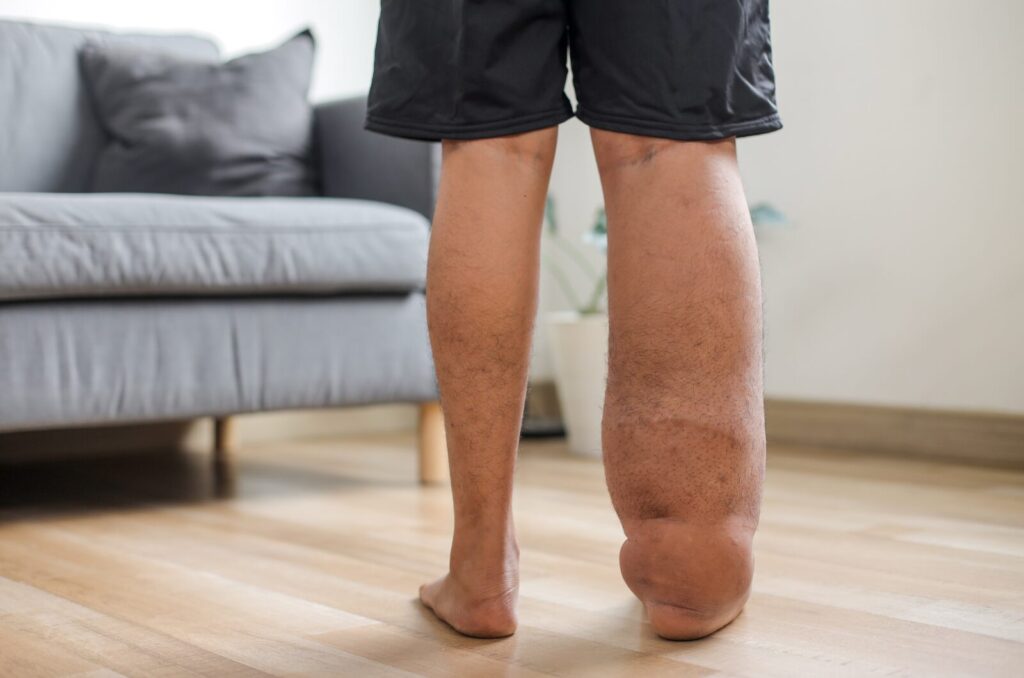
Lymphedema is a condition characterized by lymphatic fluid buildup due to impaired lymphatic drainage, leading to swelling mostly in the limbs. This fluid retention can cause sudden weight gain and significant discomfort. Lymphedema often develops following surgery, trauma, or infections and may coexist with fat disorders like lipedema.
Unlike fat accumulation alone, lymphedema involves tissue inflammation and fibrosis, requiring complex therapeutic approaches such as compression therapy and manual lymph drainage to reduce swelling and improve quality of life.
Dercum’s Disease and Rare Fat Disorders
Dercum’s disease, also known as adiposis dolorosa, is a rare fat disorder involving painful, widespread fatty deposits often accompanied by fatigue, weakness, and cognitive issues. It primarily affects middle-aged women and is distinct due to its intense pain symptoms associated with fat nodules throughout the body.
Other rare fat metabolism disorders, such as Madelung’s disease, cause unexplained weight gain in certain body areas and may impair normal functions. These conditions are usually misdiagnosed but require nuanced medical care recognizing their unique pathologies.
Diagnosing Fat Disorders: What San Diego Residents Should Know
Recognizing fat disorders in San Diego requires awareness of distinctive symptoms and access to specialized diagnostic resources. Early intervention improves patient outcomes by guiding appropriate treatment plans customized to individual needs.
Symptoms That Mimic Other Conditions
Fat disorders such as lipedema, lymphedema, and Dercum’s disease present symptoms similar to common conditions like obesity, chronic venous insufficiency, or even heart and kidney diseases. For example, swelling and fat accumulation in the legs may be mistaken for general weight gain or fluid retention caused by other health issues.
Rapid weight gain causes diagnosis challenges, leading to misdiagnosis or delayed treatment. It is crucial to recognize signs, such as disproportionate fat distribution, persistent pain, skin texture changes, and resistance to typical diet or exercise efforts, which distinguish fat disorders from other ailments.
Getting the Right Diagnosis Locally
Obtaining an accurate diagnosis starts with a thorough clinical evaluation by healthcare providers experienced in fat disorders. This involves detailed patient history, physical examination focusing on fat distribution patterns, and ruling out other causes like thyroid dysfunction or heart failure.
Imaging tools, including ultrasound, lymphoscintigraphy, and MRI, are used to assess tissue characteristics and lymphatic function. Access to specialized centers familiar with fat disorders ensures patients receive tailored testing and avoid unnecessary treatments.
Specialists and Clinics In San Diego
San Diego offers several specialized clinics and practitioners skilled in diagnosing and managing fat disorders. Facilities such as Lymphatic Therapy Services provide expert evaluations and employ advanced diagnostic techniques, including manual lymph drainage assessments and integrative approaches combining nutrition and lifestyle counseling.
Local collaboration with endocrinologists, vascular specialists, and dermatologists further enhances diagnostic accuracy and comprehensive care. Residents experiencing sudden weight gain or unexplained weight loss should seek consultation at these expert centers to ensure proper diagnosis and effective management.
How to Manage Fat Disorders and Weight Fluctuations
Medical Treatments and Therapies
Managing fat disorders often requires a multimodal medical approach. Complex Decongestive Therapy (CDT), which includes manual lymph drainage, compression therapy, and remedial exercises, is a cornerstone treatment, especially for lymphedema. For lipedema and other fat disorders, some patients benefit from advanced treatments like lymphatic laser therapy.
Minimally invasive surgeries, such as lymph node transfer or liposuction, are effective when handling sudden weight gain. Medication is prescribed to manage symptoms or underlying hormonal imbalances, but should always be coordinated by healthcare professionals experienced in fat disorders.
Nutrition, Movement, and Self-Care
Nutrition plays a vital role in managing unexplained weight loss, fat disorders, and associated weight fluctuations. An anti-inflammatory diet rich in antioxidants, low in processed carbohydrates, and balanced in nutrients supports lymphatic health and reduces inflammation.
Regular, specialized exercises or gentle movements, such as walking, swimming, enhance lymph flow and mobility without stressing affected areas. Self-care routines, including skin hygiene to prevent infections, wearing appropriate compression garments, and mastering self-massage techniques, empower patients to control symptoms daily.
Emotional and Psychological Support
Living with fat disorders or unexplained weight loss causes emotional distress and lowered self-esteem due to chronic pain, mobility limitations, or social misunderstanding. Integrating psychological support, such as counseling or support groups, helps individuals address anxiety, depression, and body image issues related to their condition.
Mindfulness practices, stress management strategies, and peer support provide well-rounded care, contributing to improved quality of life and better adherence to medical and self-care treatments.
Conclusion
Sudden weight gain or unexplained weight loss causes stress, which deeply affects your quality of life. This may signal underlying health conditions, including fat disorders that may go undetected. At Lymphatic Therapy Services in San Diego, compassionate and expert care is available to help you understand and manage these complex issues with personalized treatments tailored to your needs. Take control of your health and book an appointment today to understand and manage weight changes for improved comfort and well-being.
FAQs
What’s The Difference Between Fat Disorders And Obesity?
Fat disorders like lipedema cause painful, disproportionate fat buildup that doesn’t respond well to diet or exercise, unlike obesity, which results from excess body fat often linked to lifestyle. Fat disorders involve inflammation and fluid retention, making them distinct medical conditions from general obesity and requiring specialized care for unexplained weight gain and symptoms.
Can Sudden Weight Gain Be A Sign Of A Serious Medical Condition?
Yes, sudden weight gain can indicate serious health issues such as heart or kidney problems, hormonal imbalances, or fat disorders. Rapid weight gain causes include fluid retention or inflammation, so it’s important to confer with a medical expert to determine the root cause and begin appropriate treatment.
How Do I Know If My Weight Loss Is Unexplained Or Intentional?
Unexplained weight loss occurs without dieting or increased physical activity and comes with symptoms like fatigue or appetite changes. Intentional weight loss is planned and controlled. If weight loss is rapid or accompanied by other health changes, it’s important to seek medical advice to explore unexplained weight loss causes.
Are Fat Disorders Hereditary?
Some fat disorders, such as lipedema, have a genetic component and run in families, making heredity a risk factor. However, not all fat disorders are hereditary, and environmental or hormonal factors may contribute to their development. Understanding family history helps in assessing unexplained weight gain or loss risks.