Managing Lymphedema After Breast Surgery in San Diego with Manual Lymph Drainage

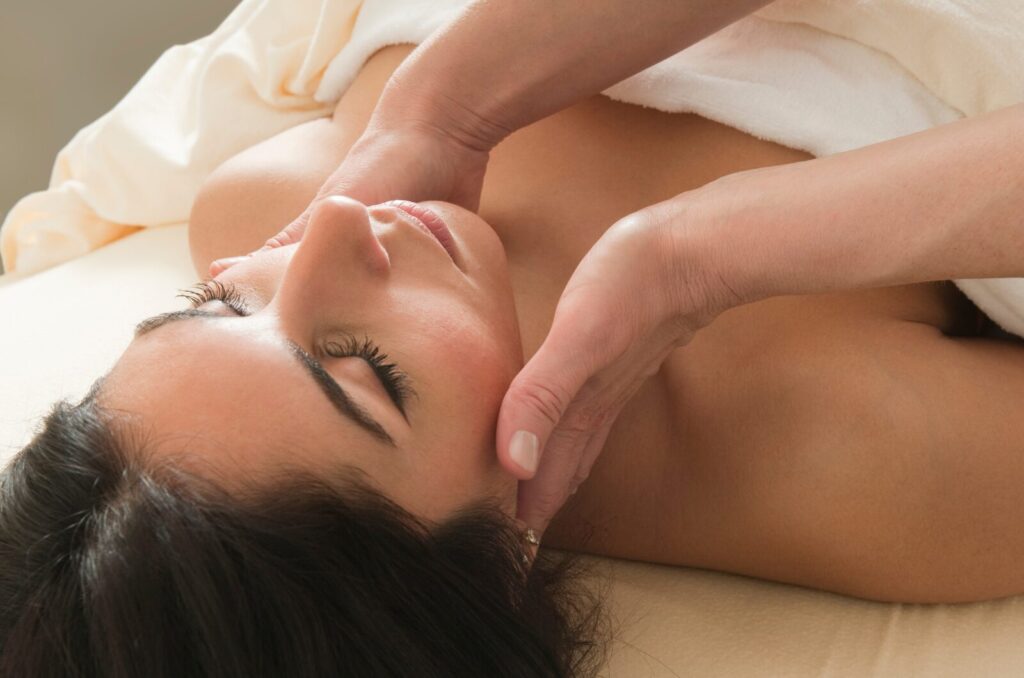
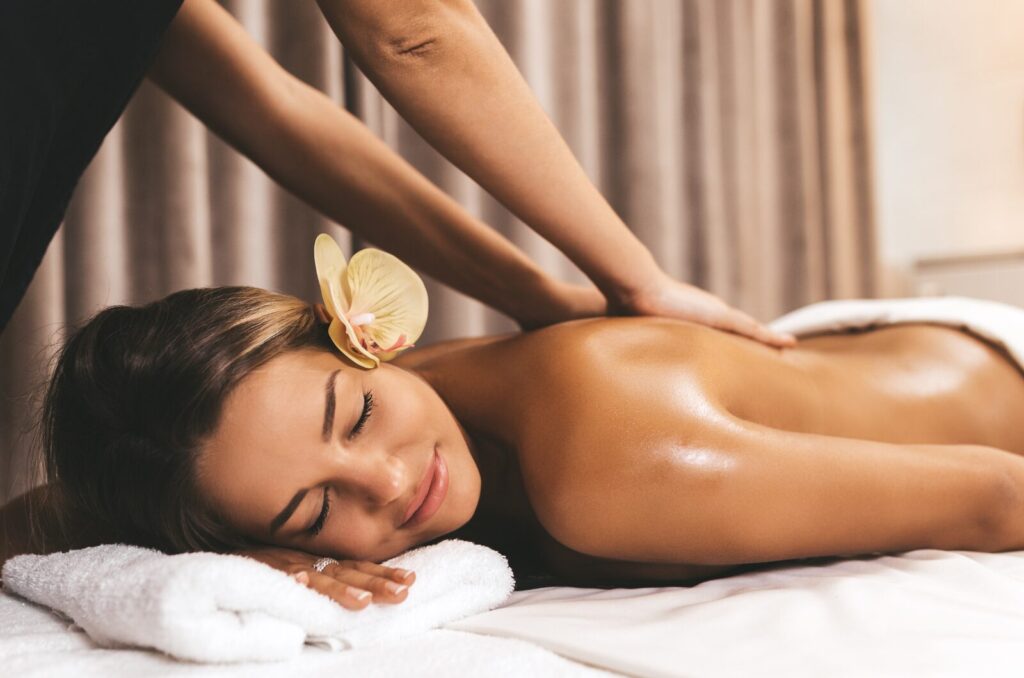
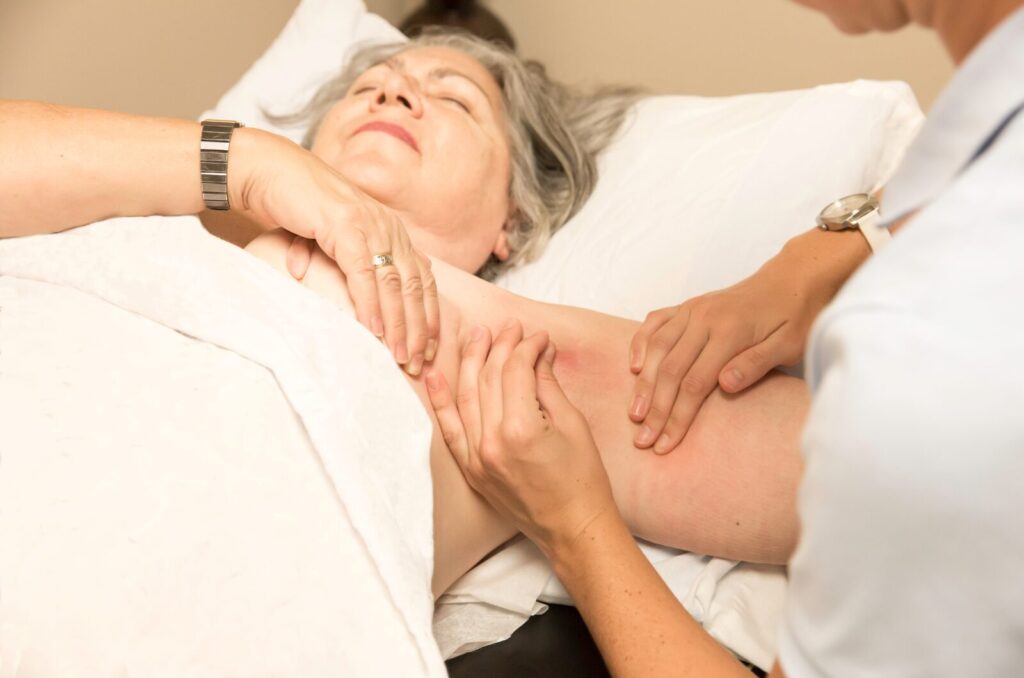
Therapist performing gentle breast lymphatic drainage massage to reduce swelling and support healing after surgery

Many patients face the risk of developing lymphedema after breast surgery. This is a condition caused by swelling due to lymph fluid buildup. Effective management of the condition is crucial for long-term comfort and recovery. One proven approach is breast lymphatic drainage massage, a massage therapy that arouses the lymphatic system and reduces swelling.

In San Diego, certified therapists use gentle, precise manual lymph drainage to support post-surgical healing and improve lymph fluid flow. This targeted massage helps alleviate discomfort, promotes better tissue health, and reduces the chance of complications. If youโ€™ve undergone breast augmentation, mastectomy, or reconstruction, understanding how manual lymph drainage aids your recovery is an essential step in managing lymphedema effectively. This article discusses how this therapy works and guides you on what to expect during treatment.

Struggling with swelling, fatigue, or post-surgery recovery?

Book your personalized lymphatic drainage session today and experience natural, therapeutic healing that restores balance and promotes long-term wellness.

Book an Appointment

What is Lymphedema and Why Does It Occur after Breast Surgery?

Lymphedema is characterized by swelling caused by a buildup of lymph fluid, occurring after breast surgery. It happens when the lymphatic system is disrupted, reducing its ability to drain fluid effectively from the tissues. This section explains what lymphedema is, why it develops following breast procedures, and highlights key symptoms and the importance of proper management to support recovery and prevent complications.

What Happens After Breast Surgery

Breast surgery, including augmentation, mastectomy, or reconstruction, involves the removal of damaged lymph nodes, tissue, and vessels. These structures are essential for draining lymph fluid from tissues. When disrupted, lymph fluid accumulates, leading to swelling known as lymphedema. This condition may develop soon after surgery or months later, depending on individual healing and lymphatic system response.

Symptoms to Watch For

Patients should monitor for early signs of lymphedema, which include persistent swelling in the breast, chest, arm, or hand on the operated side. Other symptoms are tightness, heaviness, discomfort, and limited range of motion. Skin may appear tight or show changes such as redness or warmth. Early detection is crucial to prevent progression.

Why Management Matters

Effective lymphedema management is vital to reduce swelling and avoid complications like infections or reduced mobility. Breast lymphatic drainage massage is a key therapy recommended by specialists. This gentle massage technique helps stimulate lymph flow, easing fluid buildup and promoting healing.

Incorporating proper lymphedema management after breast surgery improves quality of life, accelerates recovery, and lowers the risk of chronic swelling and discomfort. Prompt attention to symptoms and professional care are essential for successful outcomes.

How Can Manual Lymph Drainage Help Manage Post-Surgical Lymphedema?

Therapist giving gentle lymphatic drainage massage on chest area to reduce swelling and support recovery after surgery

What Is Manual Lymph Drainage (MLD)?

Manual Lymph Drainage (MLD) is a gentle technique that employs specialized massage to stimulate the lymphatic system. This helps improve lymph fluid flow. It uses light, rhythmic strokes to encourage the movement of lymph, helping reduce swelling and discomfort.

Certified therapists trained in lymphatic care perform MLD. In the context of breast surgery recovery, MLD supports the bodyโ€™s natural drainage process, which can be impaired due to surgical disruption.

How Does Manual Lymph Drainage Work For Lymphedema?

MLD works by promoting lymph circulation around blocked or damaged lymph nodes and vessels. The therapist focuses on rerouting lymph fluid toward healthy lymphatic pathways, reducing fluid buildup in the affected area. This controlled stimulation helps prevent stagnation and inflammation. When combined with other treatments, MLD plays a crucial role in comprehensive lymphedema management, easing swelling and improving tissue health after breast surgery.

Benefits for Post-Breast Surgery Recovery

Breast lymphatic drainage massage provides multiple benefits for patients recovering from breast surgery. It decreases swelling and heaviness, relieving discomfort and improving mobility. MLD also supports faster healing by enhancing oxygen and nutrient delivery to tissues.

Managing fluid retention helps patients experience less tightness and a reduced risk of infection or fibrosis. This therapy encourages a more comfortable, active recovery with lower lymphedema-related complications.

Lymphatic Drainage Massage After Breast Augmentation

Lymphatic drainage massage after breast augmentation is a safe and effective option when performed by a skilled and certified therapist in San Diego. It helps minimize post-operative swelling, bruising, and fluid retention around the breast area.

Early intervention with this specialized massage supports the lymphatic systemโ€™s function, promoting faster healing. Personalized treatment plans optimize recovery outcomes, making lymphatic drainage massage after breast augmentation an integral part of lymphedema management.

What Should You Expect During a Manual Lymph Drainage Session

A manual lymph drainage session involves a certified therapist using gentle, rhythmic hand movements to stimulate the lymphatic system, focusing on the affected breast, chest, and surrounding areas. The technique is light pressure, designed to encourage lymph fluid flow without causing discomfort. Each session begins with an assessment to tailor the massage to your specific needs.

A session is 30 to 60 minutes long, depending on the severity of lymphedema and treatment goals. Early-stage management may require more frequent sessions, often two to three times per week. These sessions reduce as swelling improves. Long-term maintenance sessions are recommended to support ongoing lymphedema management.

Patients notice reduced swelling, decreased heaviness, and improved mobility after several treatments. Results vary based on individual conditions, but consistent care is key for effective management. Aftercare involves avoiding tight clothing, keeping the treated area elevated when possible, and practicing gentle skin care to prevent infections. Your therapist may also suggest exercises to enhance lymph flow between sessions. Overall, breast lymphatic drainage massage provides a safe, supportive path to recovery from post-surgical swelling.

When is it Safe to Start Lymphatic Drainage after Surgery?

Before beginning any lymphatic drainage therapy, it is essential to consult your surgeon to ensure it is safe based on your individual healing progress. Generally, lymphatic drainage starts around two to three weeks post-surgery, once incisions have fully healed and there are no signs of complications. Starting too early may interfere with wound healing or cause irritation.

Avoid manual lymph drainage if there are infections, redness, swelling from causes other than lymphedema, or open wounds, as this worsens the condition. It is crucial to work with certified lymphedema specialists who understand the complexities of post-surgical care and tailor treatments safely. Proper timing and professional guidance in lymphedema management after breast surgery protect your recovery and maximize the therapyโ€™s effectiveness in reducing swelling and promoting lymphatic flow.

Conclusion

Managing lymphedema after breast surgery is challenging, but with the right approach, you can enjoy comfort and improve healing. At Lymphatic Therapy Services in San Diego, we specialize in breast lymphatic drainage massage tailored to your unique needs.

Our expert therapists provide compassionate, effective treatment designed to reduce swelling, ease discomfort, and support your recovery journey. Take control of your health today. Book an appointment with Lymphatic Therapy Services and start your path to improved well-being and renewed confidence.

FAQs

Can Manual Lymph Drainage Completely Cure Lymphedema After Breast Surgery?

Manual lymph drainage (MLD) reduces swelling and discomfort caused by lymphedema but does not completely cure it. Lymphedema is a chronic condition requiring ongoing management with a combination of treatments, including MLD, compression, and exercise. MLD helps enhance lymph flow and reduce fluid buildup to improve symptoms and quality of life, but it cannot reverse lymphatic damage caused by surgery.

Can Manual Lymph Drainage Prevent Lymphedema From Developing?

Research shows mixed results regarding MLD’s role in preventing lymphedema after breast surgery. Some studies indicate MLD as part of a treatment plan lowers incidence rates, especially when started early, while others find limited prevention benefits. MLD combined with exercises and skin care offers the best approach for lymphedema management, but should not be relied on solely for prevention.

Is Breast Lymphatic Drainage Massage Safe For Implant or Reconstruction Patients?

Yes, breast lymphatic drainage massage is safe for patients with implants or breast reconstruction when performed by certified lymphedema therapists. The massage uses gentle techniques tailored to avoid pressure on implants or surgical areas while promoting lymphatic flow and reducing swelling. Always consult your surgeon before beginning treatment for safety.

How Soon After Surgery Should I Start Lymphatic Drainage Sessions?

Lymphatic drainage sessions begin two to three weeks after breast surgery, once incisions have healed and there are no signs of infection or open wounds. Early consultation with your surgeon and a certified therapist is essential to determine the right timing. Starting too soon may interfere with wound healing, while waiting too long allows lymphedema to worsen.

How San Diegans Can Manage Autoimmune Conditions through Manual Lymph Drainage

Therapist performing gentle manual lymphatic drainage on a womanโ€™s back to reduce inflammation and support autoimmune relief

Autoimmune conditions occur when the body’s immune system mistakenly attacks the body’s own tissues, leading to chronic inflammation and a range of symptoms. These disorders affect various organs, causing diverse health challenges linked to lymphatic immune diseases.

The exact causes remain unclear, but many involve genetic, environmental, and lifestyle factors. Early signs include fatigue, joint pain, and swelling, making diagnosis tricky without medical tests. While no cure exists, many autoimmune diseases are manageable through treatments that reduce symptoms and slow progression.

Emerging therapies like manual lymphatic drainage massage show promise in supporting the immune system by promoting lymph flow and reducing inflammation. Understanding how autoimmune diseases interact with the lymphatic system offers new pathways to improve well-being and symptom relief.

Understand the Connection between the Lymphatic and Immune Systems

The lymphatic and immune systems help maintain the body’s defense and fluid balance. The lymphatic system transports lymph, a fluid containing immune cells, throughout the body, which supports immune surveillance and response.

Lymph nodes filter harmful substances and house immune cells that fight infections. The lymphatic system assists in removing waste and toxins, helping regulate inflammation linked to lymphatic immune diseases.

Struggling with swelling, fatigue, or post-surgery recovery?

Book your personalized lymphatic drainage session today and experience natural, therapeutic healing that restores balance and promotes long-term wellness.

Book an Appointment

A healthy lymphatic flow enables immune cells to communicate effectively, placing lymphatic and immune system disorders at the core of autoimmune condition management.

How Lymphatic Immune Diseases Affect Overall Health

Lymphatic immune diseases can disrupt the balance between fluid drainage and immune defense, leading to various health problems. When lymphatic function is impaired, swelling and fluid retention occur. This worsens symptoms like pain and fatigue, which are common in autoimmune conditions.

These disorders can also weaken the immune response, making the body more vulnerable to infections and chronic inflammation. Consequently, managing lymphatic immune diseases is vital to improving overall well-being. Therapies targeting lymphatic flow, such as manual lymphatic drainage massage, can support healing by reducing swelling and enhancing the immune system’s efficiency.

Common Lymphatic and Immune System Disorders in Autoimmune Conditions

Several autoimmune conditions involve both lymphatic and immune system disorders. Examples include lymphedema, where lymph accumulation causes swelling, and lupus, an autoimmune disease that causes widespread inflammation.

Rheumatoid arthritis also involves immune system attacks affecting joints and potentially disrupting lymphatic drainage. These disorders share symptoms like pain, swelling, and fatigue, linked to lymphatic congestion and immune dysregulation.

Recognizing these overlaps helps frame treatment approaches. Manual lymphatic drainage massage emerges as a complementary therapy to improve lymph flow and alleviate symptoms by addressing the root causes affecting both systems.

What is Manual Lymphatic Drainage Massage and How Does It Help Autoimmune Patients

Therapist gently examining a womanโ€™s neck and lymph nodes during a lymphatic assessment for autoimmune support.

Manual lymphatic drainage massage is a massage therapy technique that stimulates lymph fluid flow and supports the body’s natural detoxification processes. MLD helps autoimmune patients to reduce swelling, enhance immune function, ease chronic inflammation, and promote relaxation.

This therapy supports the management of lymphatic immune diseases and lymphatic and immune system disorders by improving lymphatic circulation. This addresses key symptoms associated with autoimmune conditions.

Gentle Massage Techniques That Stimulate Lymph Flow

MLD uses soft, rhythmic strokes directed toward lymph nodes to encourage the movement of lymph fluid through the vessels. This gentle method avoids compressing tissue excessively, making it safe for sensitive autoimmune patients.

Stimulating lymph flow helps prevent fluid buildup and supports the efficient removal of toxins. The massage aids physical detoxification and regulates immune responses connected to lymphatic immune diseases, promoting overall health and symptom relief.

Reducing Inflammation and Supporting the Immune Response

Inflammation is a major challenge in lymphatic and immune system disorders. MLD helps reduce persistent inflammation by facilitating the drainage of excess fluid and inflammatory substances from tissues. This reduction in swelling lessens pressure and pain, which are common in autoimmune diseases.

Additionally, improving lymphatic circulation supports the proper functioning of immune cells, enhancing the bodyโ€™s ability to regulate immune reactions. Through these mechanisms, MLD contributes to improved symptom management for autoimmune patients.

Benefits of Manual Lymphatic Drainage for Autoimmune Conditions

The benefits of manual lymph drainage massage include decreasing swelling and pain related to autoimmune diseases, enhancing detoxification and reducing chronic inflammation, promoting relaxation and reducing stress, and improving energy levels.

Decreasing Swelling and Pain Related to Autoimmune Diseases

MLD effectively decreases swelling by stimulating lymph flow and preventing fluid accumulation, which is common in many autoimmune diseases. Reduced swelling alleviates pressure and discomfort in inflamed tissues, relieving pain.

By enhancing lymphatic drainage, MLD supports the bodyโ€™s natural ability to clear excess fluids, improving mobility and overall comfort. This targeted approach offers a gentle, non-invasive option for managing symptoms common in lymphatic immune diseases.

Enhancing Detoxification and Reducing Chronic Inflammation

Chronic inflammation is a hallmark of many lymphatic and immune system disorders. MLD aids detoxification by promoting the efficient removal of waste products and inflammatory substances through lymphatic circulation.

This helps reduce sustained inflammation, which can otherwise worsen symptoms and tissue damage. Improved detoxification through MLD supports immune system balance and contributes to long-term symptom relief in autoimmune conditions.

Promoting Relaxation, Improving Energy Levels, and Reducing Stress

Beyond physical benefits, MLD induces deep relaxation, which helps reduce stress, a known trigger that can worsen autoimmune symptoms. Relaxation supports the nervous system, calming inflammation and promoting holistic wellness.

Many patients report increased energy and improved mood after regular MLD sessions, likely due to enhanced lymphatic function and reduced bodily tension. This comprehensive benefit makes MLD a supportive therapy for managing lymphatic immune diseases.

How San Diegans Can Incorporate Manual Lymphatic Drainage into Their Healthcare Routine

San Diegans can incorporate manual lymphatic drainage massage into their healthcare routine by working with certified therapists specialized in lymphatic immune diseases, complementing MLD with proper nutrition and hydration, engaging in gentle exercise to stimulate lymph flow, and practicing self-care techniques at home.

Working with Certified Therapists Specialized in Immune and Lymphatic Disorders

Collaborating with certified therapists trained in manual lymphatic drainage massage is crucial for safe and effective treatment. These specialists understand lymphatic immune diseases and tailor techniques to each patient’s needs, ensuring optimal lymph flow stimulation without aggravating symptoms. Regular professional sessions help maintain lymphatic health and guide the management of autoimmune conditions holistically.

Complementing MLD with Nutrition, Hydration, and Gentle Exercise

Proper nutrition and hydration enhance the effects of manual lymphatic drainage massage by supporting the body’s natural detoxification processes. Staying hydrated helps lymph fluid move easily, while a balanced diet replenishes your body with nutrients for immune regulation.

Gentle exercises such as walking or yoga further stimulate lymph flow, making these lifestyle habits critical for managing lymphatic immune diseases effectively.

Self-Care Techniques to Stimulate Lymphatic Flow at Home

Simple self-care practices can support the work done during MLD sessions. These include dry brushing, deep breathing exercises, and gentle stretching to encourage lymph circulation. By incorporating these daily habits, San Diegans can maintain lymphatic flow between professional sessions, helping to reduce swelling, ease symptoms, and manage autoimmune conditions with greater consistency and control.

Conclusion

Managing lymphatic immune diseases requires a thoughtful approach that supports the immune and lymphatic systems. Manual lymphatic drainage massage offers a gentle, effective way to reduce inflammation, ease symptoms, and improve overall well-being for those with autoimmune conditions.

San Diegans facing autoimmune challenges can benefit from incorporating MLD into their healthcare routine alongside expert guidance and healthy habits. If you or a loved one struggles with autoimmune symptoms, take the compassionate step today. Book an appointment with a certified manual lymphatic drainage specialist to restore balance and find relief.

FAQโ€™s

Can Manual Lymphatic Drainage reduce autoimmune disease flare-ups?

Manual lymphatic drainage massage can help reduce flare-ups in autoimmune diseases by improving lymphatic flow and decreasing inflammation. This gentle therapy supports the management of lymphatic immune diseases and lymphatic and immune system disorders by enhancing detoxification and immune regulation. However, it is important to use MLD as part of a comprehensive treatment under professional supervision.

Is Manual Lymphatic Drainage safe for all autoimmune diseases?

Manual lymphatic drainage massage is safe for most autoimmune diseases when performed by a certified therapist. However, individual conditions and symptom severity may affect suitability.

Patients with active infections, blood clots, or severe heart conditions should avoid MLD. Always consult a healthcare professional before starting MLD to ensure it aligns with your specific lymphatic and immune system disorder.

How often should autoimmune patients receive Manual Lymphatic Drainage sessions?

The frequency of manual lymphatic drainage sessions depends on individual needs and the severity of lymphatic immune diseases. Autoimmune patients may start with weekly sessions and adjust based on response. Regular treatment supports lymphatic flow and symptom relief in lymphatic and immune system disorders, but should be personalized in consultation with a certified MLD therapist.

Are there any risks or contraindications for autoimmune patients undergoing MLD?

While manual lymphatic drainage massage is safe for many, certain risks exist for autoimmune patients. Contraindications include infections, congestive heart failure, blood clots, and untreated cancer.

Because lymphatic immune diseases affect the immune system, it would help to seek guidance from a healthcare provider and use MLD under professional care to avoid complications and ensure safe, effective treatment.

Why Skin Hygiene is Crucial for Lymphedema Patients to Prevent Infections

Person applying nourishing oil on their hands to maintain skin hygiene and moisture for lymphedema care prevention.

Lymphedema skin care prevents infections and maintains healthy skin in affected areas. Lymphedema causes fluid buildup that stretches and weakens the skin, which makes it more vulnerable to infection. Without proper hygiene, bacteria and fungi can easily thrive, increasing the risk of skin infections like cellulitis.

Regular, gentle skin care cleanses away dirt and reduces bacteria, while moisturizing prevents dryness and cracking, which are common causes of lymphedema skin itching and rashes. Effective lymphedema skin care also includes monitoring for early signs of infection, allowing for prompt treatment.

Maintaining good skin hygiene is a simple yet powerful way to protect against complications, improve comfort, and support lymphatic health for lymphedema patients.

Why Lymphedema Skin is So Vulnerable

Lymphedema skin is vulnerable because it is stretched and weakened by fluid buildup, prone to irritation from dryness and itching, susceptible to infections, and affected by rashes. These factors make skin care essential for lymphedema patients.

Fluid buildup stretches the skin, making it thinner and fragile, which compromises its natural protective barrier and increases the risk of cuts or tears.

Dryness and lymphedema itching are common as swelling disrupts moisture retention, leading to irritation that causes scratching and further skin damage.

The weakened skin is more prone to infections, with bacteria easily entering through cracks or sores, escalating the risk of serious complications.

Lymphedema skin rash develops due to inflammation and trapped fluids. This causes discomfort and further compromises skin integrity. Proper lymphedema skin care helps soothe these symptoms, maintain skin health, and prevent worsening conditions.

Daily Skin Hygiene Practices for Lymphedema Patients

Person putting on clean compression stockings to support skin hygiene and prevent infection in lymphedema care.

Daily skin hygiene practices for lymphedema patients include gentle cleansing and moisturizing, keeping skin dry in vulnerable areas like folds and between toes, proper nail and foot care, and choosing clothing and fabrics that minimize irritation. These practices are essential to maintaining skin health, preventing lymphedema skin rash and itching, and reducing infection risk.

Gentle Cleansing and Moisturizing Routines

Gentle cleansing and moisturizing are foundational for effective lymphedema skin care. Using mild, fragrance-free cleansers prevents irritation while removing dirt and bacteria. Moisturizing immediately after washing replenishes lost moisture and strengthens the skin barrier, reducing dryness and lymphedema itching.

Struggling with swelling, fatigue, or post-surgery recovery?

Book your personalized lymphatic drainage session today and experience natural, therapeutic healing that restores balance and promotes long-term wellness.

Book an Appointment

Regular moisturizing also helps maintain elasticity, protecting the skin from tears and cracks that lead to infections and rashes. Avoid harsh soaps or scrubbing, which can damage fragile skin.

Keeping Skin Dry in Folds and Between Toes

Keeping skin dry in folds and between toes is crucial for preventing fungal infections and skin irritation. Moist areas are ideal breeding grounds for bacteria and fungi, which worsen lymphedema skin rash and cause discomfort.

After bathing, thoroughly dry all skin areas using a soft towel or air-dry. Powders or moisture-absorbing skin care products may help keep these areas dry. Maintaining dryness reduces inflammation and helps preserve healthy skin conditions.

Proper Nail and Foot Care

Proper nail and foot care protects lymphedema-affected areas from injury and infection. Trim your nails to avoid cuts or ingrown nails, which can introduce bacteria. Avoid shared nail tools to prevent fungal infections.

Daily inspection of feet can catch early signs of trauma or infection. Soft cotton socks and well-fitting shoes reduce friction and protect sensitive skin. Proper foot care supports circulation, decreases swelling, and minimizes risks of complications.

Clothing and Fabric Choices to Minimize Irritation

Choosing the right clothing and fabrics is important for minimizing irritation in lymphedema skin care. Soft, breathable fabrics like cotton reduce friction and moisture buildup, worsening lymphedema, skin rash, and itching.

Avoid tight clothing or rough materials that can rub, causing skin damage. Loose, comfortable clothing allows air circulation, keeping skin cool and dry. Proper wardrobe choices complement other skin hygiene practices, which help maintain skin integrity and overall comfort.

Conclusion

Lymphedema skin care is critical for preventing infections and maintaining skin integrity in vulnerable areas. Skin hygiene practices help reduce symptoms such as lymphedema, itching, and skin rash. 

Following expert-recommended practices enhances comfort and improves long-term outcomes and quality of life. For the best results, book an appointment and consult with a healthcare professional experienced in managing lymphedema to tailor your skin care approach. 

FAQs

Why is Skin Care Important for Lymphedema?

Skin care is important for lymphedema because the condition weakens and stretches the skin, making it prone to infections and irritation. Proper lymphedema skin care prevents dryness, itching, and rashes, which lead to cracks and infections. Incorporating lymphatic drainage massage helps maintain healthy skin, reduce complications, and promote comfort for lymphedema patients.

How to Prevent Infection with Lymphedema?

Infection prevention in lymphedema involves diligent skin hygiene, moisturizing, and monitoring for signs of injury or irritation. Clean, dry skin reduces bacterial growth, while moisturizing prevents cracks. Avoiding cuts and promptly treating any wounds minimizes infection risk. Regular lymphedema skin care combined with medical guidance helps protect against infections.

What Is an Effective Infection Prevention Intervention in Lymphedema Skincare?

An effective intervention is maintaining consistent lymphedema skin care that includes gentle cleansing, thorough moisturizing, keeping skin dry in folds, and proper nail care. These measures reduce itching, rashes, and cracking, which serve as entry points for bacteria. Preventive care supports skin barrier integrity and lowers infection risk.

Can Lymphedema Cause Skin Infections?

Yes, lymphedema can cause skin infections due to fluid buildup that stretches and weakens the skin, making it vulnerable to bacterial invasion. Symptoms include redness, warmth, and swelling. Dr. Linda Anne Kahn, an internationally certified lymphedema therapist with over thirty-five years of experience, advocates for maintaining good lymphedema skin care and promptly addressing skin changes to prevent infections.

The Role of Hydration in Maintaining a Healthy Lymphatic System

Woman drinking a glass of water to stay hydrated and support a healthy lymphatic system for effective detoxification.

A sluggish lymphatic system impairs your body’s ability to detoxify and maintain a balanced immune response. Proper hydration is vital in preventing this sluggishness by keeping lymph fluid thin and mobile. When you consume a lymphatic drainage drink or increase your water intake, you help maintain the fluidity needed for lymph to flow freely through vessels and nodes.

This optimal flow is essential to flush out toxins, waste, and excess fluids that otherwise accumulate and cause discomfort or health issues like swollen lymph nodes dehydration. Without adequate hydration, lymph becomes thick and stagnant, slowing circulation and causing swelling and inflammation.

Prioritizing hydration supports the lymphatic systemโ€™s natural cleansing functions, improves fluid balance, and enhances overall wellness. Regularly hydrating prevents sluggish lymphatic flow and boosts energy. These effects support the immune system, making hydration a simple yet powerful tool for maintaining lymphatic health.

Understanding the Lymphatic System and Fluid Balance

The lymphatic system is a network of vessels, nodes, and organs responsible for transporting lymphโ€”a clear fluid rich in immune cells and waste productsโ€”throughout the body. Fluid balance refers to maintaining the right amount and consistency of fluids in the tissues and bloodstream, which is essential for normal physiological function. The lymphatic system and fluid balance support immunity, remove toxins, and regulate swelling.

The lymphatic system collects excess fluid that leaks from blood vessels into tissues, filters it through lymph nodes to trap harmful substances, and returns it to the bloodstream. Maintaining fluid balance ensures tissues do not dry out or get saturated.

When dehydration or other causes disrupt fluid balance, lymph fluid can become thick and sluggish, leading to a sluggish lymphatic system. This impaired flow causes swelling, discomfort, and results in swollen lymph nodes dehydration, where nodes enlarge due to trapped fluid and infection.

Restoring fluid balance involves increasing water intake, consuming hydrating foods and lymphatic drainage drinks, and adopting healthy lifestyle habits like regular exercise to stimulate circulation. Proper hydration keeps lymph fluid moving, reduces swelling, and supports immune function. This promotes overall wellness and prevents complications from fluid imbalance.

How Hydration Supports Lymphatic Function

Woman drinking from a bottle to stay hydrated after exercise, helping sustain lymphatic flow and support detox and immunity.ย 

Hydration supports lymphatic function by keeping lymph fluid flowing smoothly, flushing out toxins and waste, reducing swelling and fluid retention, strengthening immune defense through better circulation, and boosting energy while preventing lymphatic sluggishness.

Keeps Lymph Fluid Flowing Smoothly

Proper hydration keeps lymph fluid thin and mobile, allowing it to flow smoothly through the lymphatic vessels and nodes. When the body lacks adequate fluids, lymph thickens and stagnates, which leads to a sluggish lymphatic system. This fluid stagnation reduces the lymphatic systemโ€™s ability to transport immune cells and remove waste, increasing the risk of swelling and discomfort.

Drinking water or a lymphatic drainage drink regularly helps maintain the optimal fluidity of lymph, ensuring efficient clearance of toxins and cellular debris. Consistently hydrating supports lymphatic drainage, prevents fluid buildup, and enhances the body’s natural detoxification processes. Hydration helps maintain tissue health and immune function.

Flushes Out Toxins and Cellular Waste

Hydration supports the lymphatic system by facilitating the flushing out of toxins and cellular waste. As lymph fluid circulates, it collects metabolic byproducts, bacteria, and other unwanted substances from tissues. Adequate fluid intake ensures that lymph remains fluid enough to transport these waste materials to lymph nodes for filtration.

Struggling with swelling, fatigue, or post-surgery recovery?

Book your personalized lymphatic drainage session today and experience natural, therapeutic healing that restores balance and promotes long-term wellness.

Book an Appointment

Without proper hydration, the lymph flow slows, and toxins accumulate, impairing immune function. A lymphatic drainage drink rich in hydrating compounds further enhances detoxification.

This flushing mechanism helps reduce the bodyโ€™s toxic load, lowers inflammation, and supports a healthier internal environment. Hydration is key for optimal lymphatic cleansing and overall health.

Reduces Swelling and Fluid Retention

Hydration helps reduce swelling and fluid retention by promoting balanced lymphatic and circulatory flow. Dehydration causes lymphatic vessels to constrict. This slows down lymph movement and leads to fluid accumulation in tissuesโ€”a condition further worsened by swollen lymph nodes dehydration.

Proper fluid intake supports vessel elasticity and encourages efficient fluid removal, which prevents puffiness and edema. A lymphatic drainage drink with electrolytes and antioxidants can aid this process by replenishing essential nutrients and calming inflammation. Hydration minimizes swelling, alleviates discomfort, and supports quicker recovery from lymphatic congestion and related conditions by balancing fluid dynamics.

Strengthens Immune Defense through Better Circulation

Adequate hydration strengthens immune defense by improving lymphatic and blood circulation. A well-hydrated lymphatic system transports immune cells to sites of infection or injury, enhancing the body’s ability to fight pathogens. Improved circulation also accelerates the removal of waste products, reducing inflammation and supporting tissue repair.

Drinking sufficient fluids, or a lymphatic drainage drink, maintains vascular health and lymphatic vessel function, which is critical for sustaining immune surveillance and response. Hydration-induced circulation boosts the efficiency of immune organs like lymph nodes and the spleen, optimizing the body’s defense mechanisms against illnesses and promoting overall resilience.

Boosts Energy and Prevents Lymphatic Sluggishness

Hydration boosts energy levels and prevents lymphatic sluggishness by supporting metabolic processes and cellular function. When the lymphatic system functions well, toxins and excess fluids clear out. This reduces fatigue linked to congestion and inflammation. A sluggish lymphatic system leads to feelings of heaviness and low energy.

Consuming water or a lymphatic drainage drink replenishes electrolytes and nutrients essential for lymph vessel contraction and lymph flow. This support ensures the lymphatic system remains active and responsive, sustaining daily vitality.

Staying hydrated also aids in maintaining optimal blood volume and nutrient delivery, which contribute to enhanced stamina and reduced sluggishness.

Conclusion

Proper hydration is essential to preventing a sluggish lymphatic system and supporting overall lymphatic health. Drinking enough fluids, including a lymphatic drainage drink, helps keep lymph fluid flowing smoothly. Hydration also reduces swelling from swollen lymph nodes dehydration, and boosts immune function.

Prioritizing hydration enhances energy levels and supports the body’s natural detoxification processes. Incorporating mindful hydration habits into daily routines is a simple yet powerful strategy to restore and maintain balance within the lymphatic system.

Promote optimal health and prevent complications related to lymphatic sluggishness by committing to regular fluid intake and consider adding lymphatic-friendly beverages. To keep the lymphatic system functioning efficiently, book an appointment today and improve wellness and vitality.

FAQs

Does Hydration Help the Lymphatic System?

Yes, hydration helps the lymphatic system by keeping lymph fluid thin and mobile, which supports smooth flow through vessels and nodes. Proper hydration aids in reducing swelling, flushing out toxins, and preventing a sluggish lymphatic system. This enhances immune function and overall health.

What Role Does Hydration Play in Maintaining a Healthy Body?

Hydration maintains the body’s fluid balance, supports circulation, and helps eliminate waste. It prevents dehydration-related issues like swollen lymph nodes dehydration, and a sluggish lymphatic system. Proper hydration boosts energy, supports organ function, and enhances immune defense, which contributes to overall well-being and health.

How to Hydrate the Lymphatic System?

To hydrate the lymphatic system, Dr. Linda Anne Kahn, an internationally certified lymphatic therapist with over thirty-five years of experience, advises drinking plenty of water and considering lymphatic drainage drinks with electrolytes. Eating water-rich foods and avoiding dehydration helps maintain lymph fluidity. It ensures these fluids flow freely, reduces swelling, and carries toxins away, which supports a healthy and efficient lymphatic system.

What Is the Role of the Lymphatic System in Maintaining a Healthy Body?

The lymphatic system’s role is to remove waste, filter toxins, and support immune defense. It maintains fluid balance and prevents swelling by transporting lymph. Proper hydration keeps the lymphatic system functioning smoothly, preventing issues like swollen lymph nodes dehydration, and Lyme disease.

How Lymphatic Drainage Supports Hormonal Balance for Women

Lymphatic drainage and hormones

Hormones influence nearly every aspect of a womanโ€™s health, such as her energy, mood, metabolism, sleep, and even how the body stores fat or responds to stress. Yet, when women experience hormone-related symptoms like PMS, fatigue, or menopausal discomfort, lymphatic health is rarely part of the conversation. Thatโ€™s beginning to change.

Emerging research and clinical practice now show a powerful connection between lymphatic drainage and hormones, especially in women navigating menstrual cycles, perimenopause, or postmenopausal changes. When lymphatic flow is supported, hormone balance often improves naturally, gently, and without medication.

Struggling with swelling, fatigue, or post-surgery recovery?

Book your personalized lymphatic drainage session today and experience natural, therapeutic healing that restores balance and promotes long-term wellness.

Book an Appointment

Letโ€™s explore how lymphatic drainage massage for menopause and other life stages helps women feel more balanced, more energized, and more in tune with their bodies.

The Overlooked Link Between Lymphatic Flow and Hormones

Your lymphatic system eliminates waste, toxins, and excess hormones from the body. Think of it as your internal drainage and detox system. When itโ€™s working efficiently, estrogen and other hormones that your body no longer needs are cleared out, allowing your endocrine system to remain stable and regulated.

When the lymph system is stagnant, often due to inactivity, stress, inflammation, or surgery, hormonal byproducts can build up in tissues. This burdens the liver, increases systemic inflammation, and contributes to common imbalances like estrogen dominance, PMS, weight gain, or fatigue.

This is where the connection between lymphatic drainage and hormones becomes essential: improving lymphatic circulation supports hormone regulation, not by adding anything to the body, but by clearing what no longer serves it.

Lymphatic Drainage and Hormone Massage for Menopause

During menopause and perimenopause, women experience a natural decline in estrogen, progesterone, and sometimes thyroid hormone. This hormonal shift can cause:

  • Water retention
  • Hot flashes
  • Brain fog
  • Sluggish metabolism
  • Skin dryness or acne
  • Bloating and inflammation

Lymphatic drainage massage for menopause helps address these symptoms gently and holistically. By encouraging fluid movement, reducing inflammation, and supporting detoxification, the technique helps the body process hormonal changes more gracefully.

It also assists with:

  • Reducing puffiness and swelling around the belly, breasts, and face
  • Improving sleep quality by lowering cortisol and calming the nervous system
  • Supporting liver function, which plays a key role in hormone metabolism

Estrogen Detox

Estrogen must be broken down and eliminated efficiently to avoid estrogen dominance, a condition where estrogen is too high relative to progesterone. This can cause mood swings, breast tenderness, irregular cycles, or heavy periods.

The liver and digestive tract handle most of estrogen metabolism, but the lymphatic system clears the cellular waste that can disrupt the process. When lymph is congested, toxins and hormone fragments can re-enter circulation, confusing the body and creating an imbalance.

This is another way lymphatic drainage and hormones work together: clear lymph flow helps the body eliminate excess estrogen smoothly, reducing stress on your detox pathways.

Managing Menopausal Weight Gain and Water Retention

Many women in menopause notice weight gain, especially around the abdomen, even when their diet and lifestyle haven’t changed much. While some of this is metabolic, fluid retention and inflammation also play a role.

Lymphatic drainage massage for menopause can help by:

  • Flushing excess fluid from soft tissues
  • Supporting metabolism by reducing systemic inflammation
  • Helping the body return to a more balanced state through better circulation

Many women find that they feel lighter, less bloated, and more in control of their bodies after regular sessions.

Emotional Balance Through Nervous System Support

Hormonal imbalances often create emotional distress like anxiety, irritability, sadness, or overwhelm. Lymphatic drainage massage stimulates the parasympathetic nervous system, also known as the “rest and digest” state.

The calming effect can help regulate cortisol, the stress hormone, and create space for emotional grounding. For women going through menopause or cycle-related hormone shifts, this nervous system support can make a major difference in mood, sleep, and energy.

This illustrates yet another important connection between lymphatic drainage and hormones; it supports biochemical balance and emotional resilience.

When to Use Lymphatic Massage for Hormonal Support

Lymphatic drainage and hormone massage for menopause and hormone support are helpful during:

  • Perimenopause (mid-40s to early 50s)
  • Menopause and postmenopause
  • PMS or monthly bloating
  • After stopping hormonal birth control
  • During hormone-related detox protocols

Whether you’re dealing with cyclical symptoms or long-term shifts, lymphatic therapy is a non-invasive, drug-free way to support balance.

How to Get the Most Out of Lymphatic Therapy

To enhance the impact of lymphatic massage, consider integrating it into a holistic hormone-balancing plan. Hereโ€™s what you can do at home:

  • Hydrate well โ€“ Water keeps lymph fluid thin and mobile
  • Move your body daily โ€“ Even walking boosts lymph flow
  • Reduce inflammatory foods โ€“ Sugar, alcohol, and processed foods congest the lymphatic system
  • Dry brush โ€“ A simple way to stimulate lymph at home
  • Support your liver โ€“ Crucial for hormone metabolism. Try cruciferous vegetables and herbs like dandelion root.

Combined with regular lymphatic drainage massage for menopause, these small habits can profoundly affect your overall hormonal wellness.

Conclusion

Hormonal shifts are a natural part of a womanโ€™s life. Nevertheless, it doesnโ€™t mean you have to suffer through them. Supporting your lymphatic system is a powerful way to physically, emotionally, and energetically ease this transition. Whether youโ€™re navigating menopause or seeking relief from monthly symptoms, our customized lymphatic treatments can help restore clarity, flow, and balance.

Your lymphatic system – key to health and vitality

Your lymphatic system – key to health and vitality

Do you ever experience achy feet and joints, ankles swelling, bloating and gas, swollen glands, chronic colds, fatigue, arthritis, general swelling of the body, fibromyalgia, aching breasts during a period, allergies and headaches? If you are experiencing several of these symptoms your lymphatic system may be sluggish.

Our lymph system plays a very important role in our health and wellness and also immunity. It helps distribute nutrients throughout our body and also helps our body get rid of toxic waste material. and also keeps bodily fluids in balance. When the lymphatic system is out of balance , we can experience swelling or abnormal water retention. Lymph flow is important to maintaining good health, as the lymphatic system is an integral part of the immune system.

The lymphatic system is a network of tissues and organs that help rid the body of toxins, waste and other unwanted materials. The tonsils, spleen, thymus, and adenoids are the glands of the lymphatic system. The primary function of the lymphatic system is to transport lymph, a fluid containing infection-fighting white blood cells, throughout the body .

Lymphatic Massage

If you’re feeling a bit sluggish, experiencing mild to moderate swelling or recovering from an injury or surgery, lymph massage combined with customized essential oils can reduce stagnation in the body and leave you feeling like a new person. Manual Lymph Drainage (MLD) โ€“ is a highly specialized and gentle massage technique used to increase lymph flow and encourage the natural drainage of the lymph from the body tissues. This is very helpful if you want to cleanse and detoxify your body for renewed vitality, reduction of pain, and faster healing. MLD is deeply relaxing and also boosts the immune system

It is important to see a therapists who is specifically trained to do MLD. If you have Lymphedema a qualified Lymphedema therapist can assist in the reduction of the swelling.

Linda-Anne Kahn HHP CLT-LANA, NCTMB, is an Internationally trained CIDESCO Beauty Therapist, Clinical Aromatherapist, Holistic Health Practitioner, Integrative Health Coach and Dr Vodderโ€™s Lymphedema Therapist.

She can be reached at www.aromaticwellnesswarrior.com and ww.beautykliniek.com and [email protected]